Cage Dive with Great White Sharks
From $150
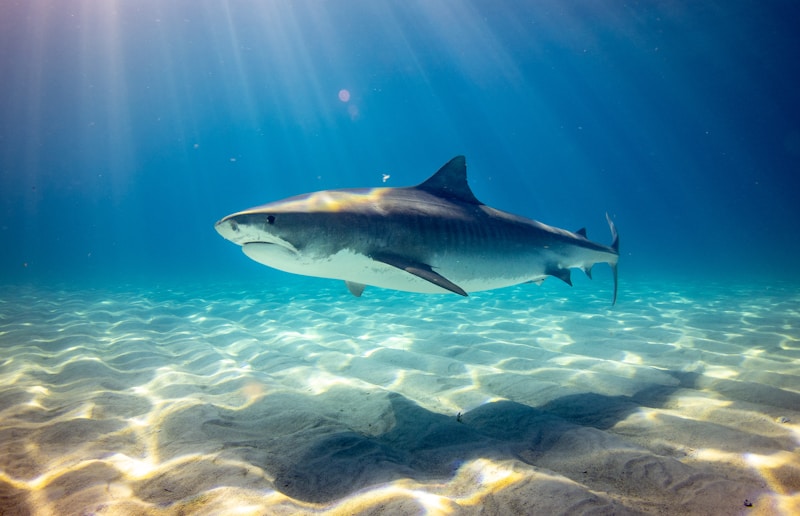
Cage Dive with Great White Sharks
Come face-to-face with the ocean's apex predator.
At a Glance
$150+
Full day
South Africa, Mexico, Australia
Location dependent - South Africa: April-October
About This Experience
Coming face-to-face with a great white shark—separated by only a few inches of steel bars and your own trembling breath—rewires something fundamental about how you understand your place in the natural order. These animals evolved their current form over 400 million years ago, ancient predators that watched dinosaurs come and go, that survived extinction events that erased most life on Earth. Through the bars of the cage, you see black eyes that reveal nothing, rows of serrated teeth designed with terrifying efficiency, the casual power of a creature that has no natural predators and knows it. You are not being threatened; you are being assessed by something that could kill you effortlessly but chooses not to. The experience is humbling in the literal sense of that word. The operations center in Gansbaai, South Africa, approximately two hours from Cape Town, where populations of great whites gather to hunt the large seal colony on Dyer Island. Boats depart at dawn, motors out to waters where crews use chum (fish blood and oils) to attract sharks. The cage—a robust construction of steel bars with gaps too narrow for a shark to penetrate but wide enough for visibility—hangs off the side of the boat with participants inside, wetsuited against the cold South African waters. When a shark approaches, the crew shouts "down," and you duck beneath the surface to watch through your mask as the animal passes. The shark encounters vary enormously. Some days bring multiple sharks circling the cage, their bulk displacing water you can feel pushing against you. Other days the sharks remain distant, visible but not close enough for the visceral encounter you came seeking. The animals cannot be commanded—they're wild predators following their own interests, and the operation merely creates conditions that might attract them. This unpredictability adds to the authenticity; the experience couldn't be the same if it were guaranteed. The controversy surrounding shark cage diving deserves acknowledgment. Critics argue that associating sharks with food (the chum used to attract them) could alter their behavior in ways dangerous to humans, though scientific evidence on this point remains contested. Environmental concerns about disrupting natural patterns also arise. Defenders note that shark cage diving has transformed sharks from targets of fear-driven persecution into economically valuable wildlife, creating financial incentives for communities to protect rather than destroy them. The debate continues; participants should understand the issues rather than ignoring them. The alternatives to South Africa include Guadalupe Island off Mexico's Pacific coast, where water clarity exceeds anything in South Africa and larger sharks are common, though the expedition requires a multi-day liveaboard commitment. Australian operations in South Australia and Western Australia offer encounters with different populations. Neptune Islands in particular provides reliable great white viewing. Each location offers distinct characteristics—water temperature, visibility, shark behavior, accessibility—that shape the experience. The practical preparation involves accepting discomfort. The water is cold; the boats rock in swells that induce seasickness in many participants (preventive medication is advisable); the waiting can stretch for hours. The cage itself is not spacious—multiple participants share the space, bumping against each other as waves move the boat. None of this matters when a great white materializes from the gloom and glides past at arm's length, but expectations should include the full experience rather than just the climactic moments. The safety record for cage diving is remarkably clean despite the perception of extreme danger. The cages are robust, the procedures are refined through decades of operation, and the sharks show minimal interest in attacking structures they cannot eat. The fear you feel in the cage is genuine but not based on realistic assessment of risk—which, in some ways, makes the fear itself more interesting to experience and examine afterward. The takeaway from shark cage diving often surprises participants. Many people enter expecting terror and leave with awe—a profound respect for creatures that pop culture has trained us to fear. Seeing a great white in person, watching its effortless power and ancient perfection, tends to inspire conservation instinct rather than fear. The monster becomes an animal, magnificent and vulnerable despite its fearsome reputation.
Cost Breakdown
Estimated costs can vary based on location, season, and personal choices.
Budget
Basic experience, economical choices
Mid-Range
Comfortable experience, quality choices
Luxury
Premium experience, best options
Difficulty & Requirements
Accessible for most people with basic planning.
Physical Requirements
Comfort in water, ability to handle cold
Prerequisites
- No scuba certification needed
- No panic disorders
Tips & Advice
Gansbaai, South Africa is the shark capital
Take seasickness medication - boats sit in chop
The cage is safe - trust it
Sharks are calmer than movies suggest
Surface-supplied air means no certification needed
Community Discussion
Ask questions, share tips, or read experiences from others.
View Discussions Start DiscussionShare This Experience
Quick Summary
- Category Adventure
- Starting Cost $150
- Time Needed Full day
- Best Season Location dependent - South Africa: April-October
- Difficulty Moderate
Explore More
You Might Also Like
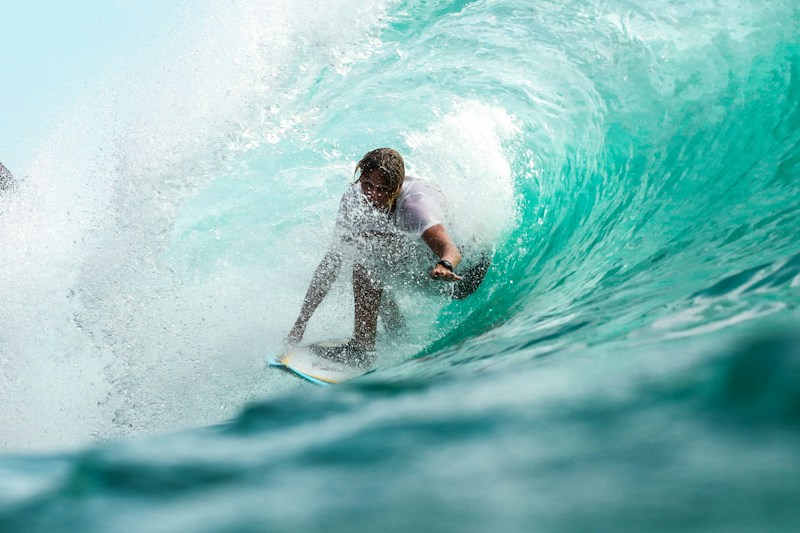
Surf a 30+ Foot Wave
Ride a massive wave at one of the world's big wave spots.
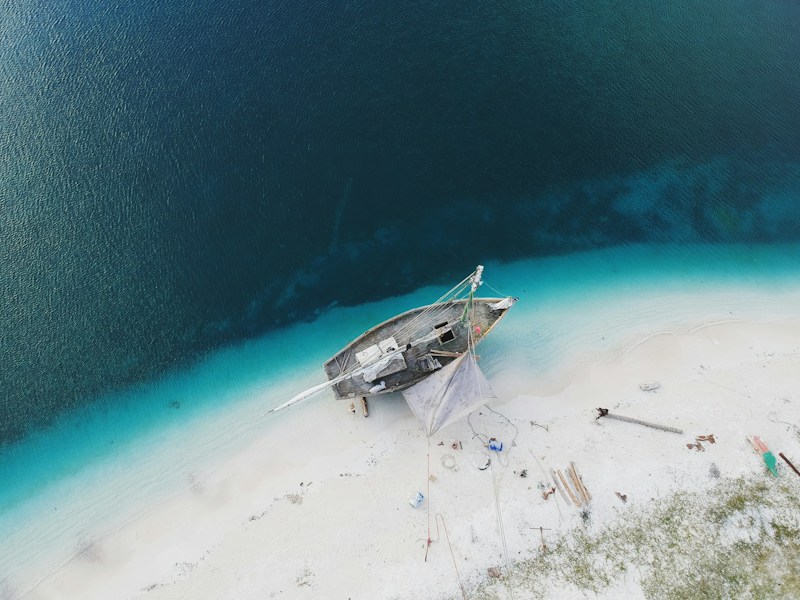
Row Across the Atlantic Ocean
Cross the Atlantic Ocean by rowing boat.

Go Skydiving
Experience the ultimate adrenaline rush by jumping from a plane.

Bungee Jump
Take the leap and freefall before bouncing back.