Learn Basic Car Mechanics
From $50
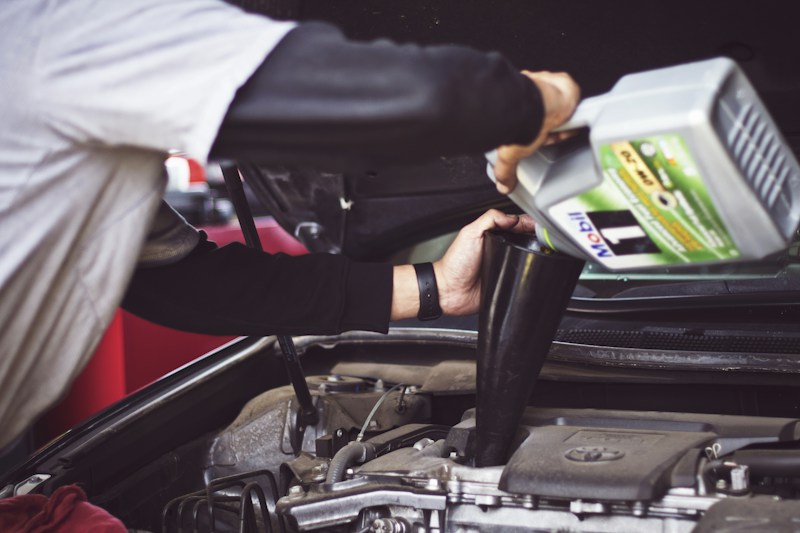
Learn Basic Car Mechanics
Understand how your car works and do basic maintenance.
At a Glance
$50+
Basics in weekends
Year-round
About This Experience
Understanding car mechanics transforms one of modern life's largest investments from mysterious black box to comprehensible machine, enabling informed decisions about maintenance, confident diagnosis of problems, and the satisfaction of handling routine service yourself. The knowledge provides both practical value—saved money, reduced dependence on shops—and the quiet confidence that comes from understanding the machine you depend on daily. The basic systems understanding provides foundation for more detailed knowledge. The engine converts fuel to mechanical power through controlled explosions. The transmission modifies that power for different speed/torque requirements. The braking system converts kinetic energy to heat through friction. The electrical system provides starting, charging, and accessory power. The suspension and steering systems manage wheel contact with road. Understanding these systems conceptually precedes understanding their specific components. The maintenance schedule competency ensures your car receives the attention it needs when it needs it. Oil changes, filter replacements, fluid checks, tire rotations, and brake inspections all follow manufacturer-specified intervals. Understanding what these services actually accomplish—not just that they're required—helps evaluate whether shops are recommending necessary work or overselling unnecessary services. The DIY maintenance skills that many car owners can develop include oil changes, air filter replacement, tire rotation, brake pad replacement, and fluid top-offs. These tasks require basic tools, modest mechanical aptitude, and willingness to learn. YouTube tutorials exist for nearly every car model; watching the specific procedure for your vehicle before attempting it dramatically improves confidence and outcomes. The diagnostic basics enable identifying problems before shops examine your car. The OBD-II port (standard on all cars since 1996) provides access to engine codes that indicate what systems are reporting problems. Inexpensive readers or smartphone apps retrieve these codes. Understanding what codes mean—and what additional symptoms to observe—puts you in position to have informed conversations with mechanics rather than accepting whatever they diagnose. The tool investment for basic maintenance is modest: floor jack and stands, basic socket and wrench sets, oil drain pan, and a few specialty tools for your specific vehicle. Quality tools last decades; the investment pays for itself quickly if you do your own oil changes. Torque wrenches ensure critical fasteners are tightened correctly; cheap torque wrenches are worth avoiding. The knowing-when-to-stop wisdom matters as much as mechanical skill. Some repairs require specialized equipment, diagnostic capabilities, or expertise that DIY work cannot safely achieve. Transmission rebuilds, air conditioning service, and complex electrical diagnosis often exceed home mechanic capabilities. Recognizing these limits prevents expensive mistakes and dangerous situations. The shop relationship development—finding trustworthy mechanics and understanding how to work with them—provides value when DIY isn't appropriate. Getting second opinions on expensive repairs, understanding what questions to ask, and recognizing red flags in shop recommendations all become easier with mechanical literacy. You don't need to do the work yourself to benefit from understanding what shops do.
Cost Breakdown
Estimated costs can vary based on location, season, and personal choices.
Budget
Basic experience, economical choices
Mid-Range
Comfortable experience, quality choices
Luxury
Premium experience, best options
Difficulty & Requirements
Accessible for most people with basic planning.
Physical Requirements
Some physical work
Prerequisites
- Basic tools
- Workspace
Tips & Advice
Start with oil changes and brake pads
YouTube has tutorials for most car models
A good socket set is essential
Factory service manuals are worth it
Know when to call a professional
Related Topics
Community Discussion
Ask questions, share tips, or read experiences from others.
View Discussions Start DiscussionShare This Experience
Quick Summary
- Category Learning
- Starting Cost $50
- Time Needed Basics in weekends
- Best Season Year-round
- Difficulty Moderate
You Might Also Like

Become Fluent in a New Language
Achieve conversational fluency in a language you've always wanted to speak.

Learn to Play a Musical Instrument
Pick up an instrument and learn to play songs you love.

Get a Pilot's License
Learn to fly and earn your private pilot certificate.

Learn to Code
Master programming and build your own apps or websites.