Drive the Amalfi Coast
From $1.5k
Drive the Amalfi Coast
Navigate the dramatic cliffside road past colorful villages and sparkling seas.
At a Glance
$1.5k+
4-7 days
Italy
May-June or September-October
About This Experience
The Amalfi Coast wraps 50 kilometers of Italian coastline in a continuous drama of vertiginous cliffs, villages clinging to impossible slopes, and azure waters glittering far below. This UNESCO World Heritage site represents southern Italy at its most photogenic—lemon groves terracing the hillsides, pastel buildings cascading toward the sea, winding roads that seem designed to test both driving skill and nerve. The experience oscillates between white-knuckle navigation and slack-jawed wonder at beauty so concentrated it defies belief. Positano defines the coast's aesthetic. The village tumbles down a steep ravine toward the beach, its buildings painted in Mediterranean pastels—pink, peach, ochre, white—each seemingly stacked atop its neighbor. The descent from road to beach involves hundreds of steps past boutiques and restaurants carved into the cliff. The beach itself, with its gray volcanic sand and colorful umbrellas, provides relief from climbing but also the knowledge that every step down must eventually become a step up. Positano exists primarily as vista and shopping; there are no must-see monuments, only the village itself as total aesthetic experience. Amalfi, the coast's namesake, carries historical weight that Positano lacks. This was once the capital of a maritime republic rivaling Venice and Genoa, its ships trading throughout the Mediterranean, its citizens inventing the compass (or so they claim). The cathedral of Saint Andrew, with its Arab-Norman architecture and striking striped facade, dominates the central piazza. The Paper Museum documents the industry that Amalfi pioneered using Arab techniques. The town's scale—larger than Positano but still compact—makes it a more practical base for exploring. Ravello sits high above the coast, its gardens and villas offering perspectives that the waterfront villages cannot match. The gardens of Villa Rufolo, with their layered terraces and coast views, inspired Wagner's Parsifal and now host a renowned summer music festival. Villa Cimbrone's Terrace of Infinity—a belvedere with classical statues overlooking the sea—creates the kind of viewpoint that makes photographers weep with inadequacy. Ravello's altitude removes it from the coast's bustle while providing its most spectacular panoramas. The driving experience is part of the journey. The SS163 Amalfitana, carved into the cliffsides, is barely two lanes wide, with buses squeezing past vehicles in maneuvers that seem impossible until you've witnessed dozens. Mirrors on blind curves offer theoretical safety; aggressive horn use provides practical warning. The local buses, driven by experts who know every centimeter of the road, negotiate turns that rental car tourists approach with terror. Driving counterclockwise (Sorrento to Salerno) keeps you on the mountain side rather than the cliff edge—a distinction that matters when oncoming traffic forces you to yield. The alternatives to driving each carry tradeoffs. The SITA buses connect all major towns reliably if not comfortably. Private drivers and taxis eliminate stress but reduce spontaneity. Ferries between waterfront towns offer the coast from its best angle while avoiding the road entirely. Boats can be hired for the day, allowing cliff-side viewing, swimming in hidden coves, and arrival at beach clubs inaccessible by land. Each option shapes a different experience of the same geography. The food reflects Campanian traditions elevated by the setting. Lemons the size of softballs become limoncello, lemon cake, and garnish for everything from fish to pasta. Seafood arrives from boats visible from restaurant terraces. Neapolitan pizza reaches the coast in excellent form. The wines—Greco di Tufo, Falanghina, Lacryma Christi from Vesuvius slopes—complement the cuisine. Meals taken on terraces overlooking the sea, with the coast illuminated as darkness falls, become memories that outlast any photograph. Pompeii and Herculaneum, buried by Vesuvius in 79 AD and now excavated as UNESCO sites, lie within day-trip distance. Walking through streets where ancient Romans lived—past their shops, baths, brothels, and homes, their lives frozen by volcanic catastrophe—provides historical context that the coast's beauty cannot match. The archaeological museum in Naples houses the finest artifacts from these sites, including mosaics and frescoes too fragile or valuable for outdoor exposure. The coast's popularity creates challenges. Summer brings cruise ship crowds, traffic gridlock, and prices that shock even Italian travelers. Accommodation requires booking months ahead. The most photogenic spots fill with influencers positioning for identical shots. But early mornings remain magical, shoulder seasons (May-June, September-October) offer better balance, and the villages beyond the famous three—Praiano, Furore, Cetara, Maiori—provide alternatives with their own character. The experience works best when surrendered to rather than scheduled. Sit in a piazza with a Aperol spritz and watch the light change. Swim from a beach club and let them bring lunch. Take a path that leads somewhere unknown. The Amalfi Coast rewards passive appreciation more than active tourism; the beauty requires no interpretation, only presence. Italy offers many wonderful places, but none quite match this stretch of coastline for the immediacy of its impact.
Cost Breakdown
Estimated costs can vary based on location, season, and personal choices.
Budget
Basic experience, economical choices
Mid-Range
Comfortable experience, quality choices
Luxury
Premium experience, best options
Difficulty & Requirements
Accessible for most people with basic planning.
Physical Requirements
Confident driving on narrow, winding roads
Tips & Advice
Drive counterclockwise (hug the mountain, not the cliff)
Stop in Positano, Ravello, and Amalfi
Visit Pompeii as a day trip
Try limoncello - lemons are famous here
Book accommodation with parking
Community Discussion
Ask questions, share tips, or read experiences from others.
View Discussions Start DiscussionShare This Experience
Quick Summary
- Category Travel
- Starting Cost $1.5k
- Time Needed 4-7 days
- Best Season May-June or September-October
- Difficulty Moderate
Explore More
You Might Also Like
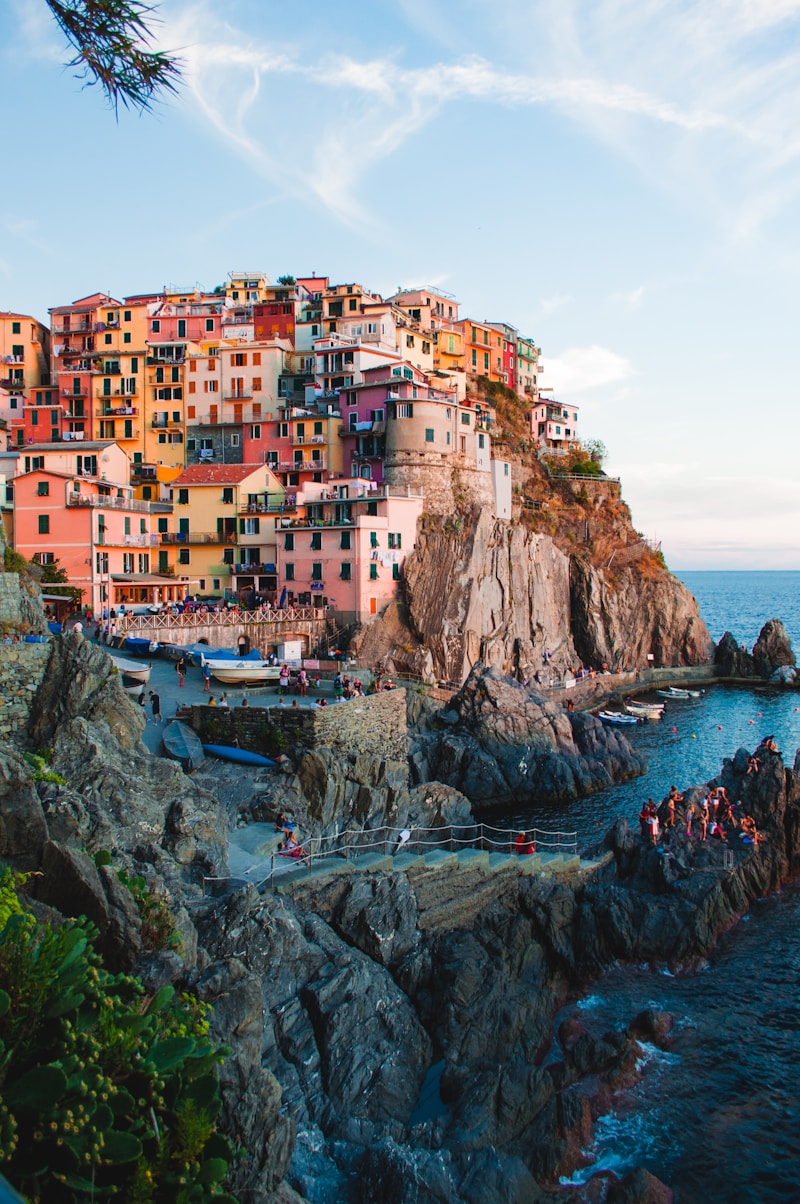
Hike the Cinque Terre
Walk between five colorful cliffside villages on the Italian Riviera.
Road Trip Route 66
Drive the iconic "Mother Road" from Chicago to Santa Monica.
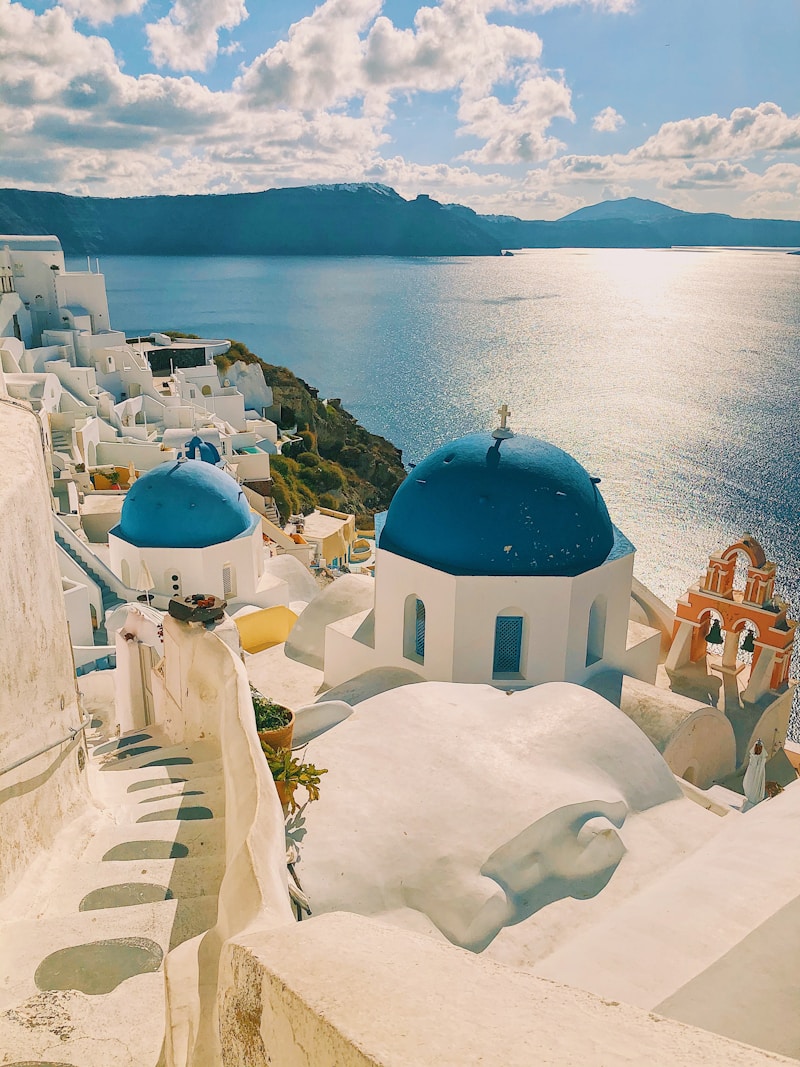
Explore Santorini, Greece
Wander through whitewashed villages perched on volcanic cliffs.
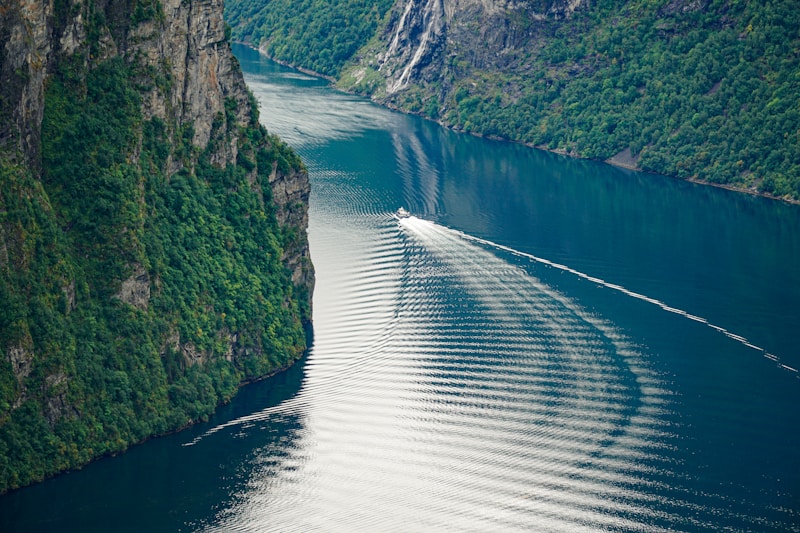
Cruise the Norwegian Fjords
Sail through dramatic cliff-lined waterways carved by glaciers.