Learn Falconry
From $1.0k
At a Glance
$1.0k+
Years of apprenticeship
Requires land access for flying
Hunting season varies by region
About This Experience
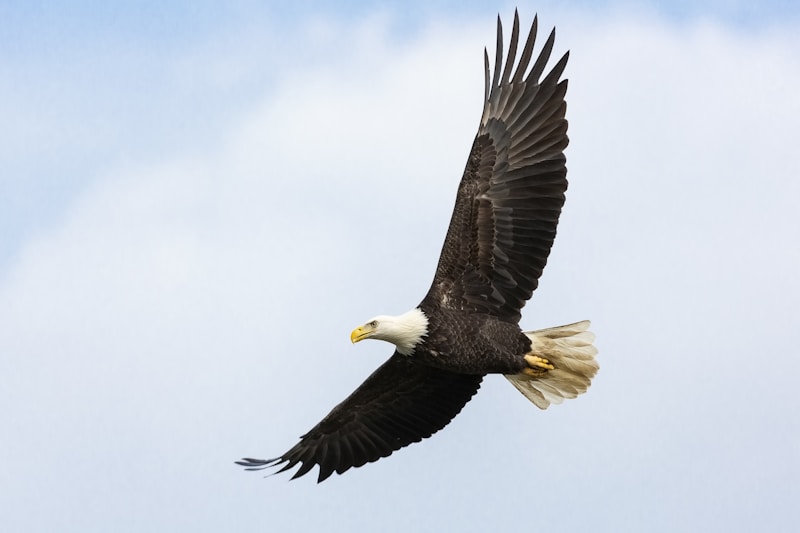
Falconry represents one of humanity's oldest hunting traditions—a partnership between human and raptor that dates back at least 4,000 years and continues today through a global community of dedicated practitioners. The bond between falconer and bird, developed through daily care and hunting partnership, creates a relationship unlike any other human-animal connection: the bird remains fundamentally wild, choosing to return rather than being compelled, hunting not for the falconer but alongside them. The commitment required for falconry exceeds virtually any other hobby or sport. Birds require daily attention: feeding, housing maintenance, weight management, and training or hunting to keep them fit and conditioned. The time investment is comparable to having a demanding pet, but with consequences for neglect that extend beyond the animal's health to its hunting performance and disposition. Those who enter falconry casually discover quickly that the lifestyle demands transform everything else to fit around the birds' needs. The legal framework in the United States requires ascending through three license levels: Apprentice, General, and Master. Apprenticeship requires finding a General or Master falconer willing to sponsor you through at least two years of supervised practice—a relationship that provides mentorship essential to learning a tradition passed primarily through personal instruction. The licensing system ensures that those entering falconry develop competence before keeping more challenging species. The red-tailed hawk serves as the typical apprentice bird—abundant, forgiving of beginner mistakes, and an effective hunter of rabbits and squirrels. Learning with a "redtail" teaches the fundamentals: weight management, training, housing, and the hunting partnership that defines falconry. After apprenticeship, falconers often progress to other species: Harris's hawks (which hunt cooperatively), goshawks (powerful bird hunters), or the falcons (peregrines, prairie falcons, gyrfalcons) that represent falconry's highest aspirations. The hunting experience with a trained raptor provides the sport's deepest rewards. Watching a hawk pursue quarry through brush, or a falcon stoop from hundreds of feet to strike prey at tremendous speed, connects the falconer to predator-prey dynamics that humans evolved alongside but modern life obscures. The bird hunts for itself, not for you; you create the opportunity and share in the success, but the partnership involves two hunters with aligned interests rather than command and obedience. The community of falconers worldwide preserves knowledge developed over millennia while adapting to contemporary contexts. Falconry clubs provide mentorship, hunting access, and the camaraderie of shared passion. The annual meets where falconers gather, compare birds, and hunt together maintain traditions while welcoming newcomers willing to commit to the lifestyle. The facilities requirements include secure weathering areas where birds can sun and bathe, mews (enclosed housing) for nighttime and weather protection, and equipment ranging from traditional (jesses, bells, lures) through modern (telemetry for tracking birds). The investment in proper facilities, while substantial, represents commitment that the birds' welfare requires. The transformation in perception that falconry creates extends beyond hunting into daily awareness. Falconers see landscapes differently—noting raptor hunting territory, prey populations, and the details of wild systems that non-falconers walk past without noticing. The partnership with a predator recalibrates how you understand the natural world.
Cost Breakdown
Estimated costs can vary based on location, season, and personal choices.
Budget
Basic experience, economical choices
Mid-Range
Comfortable experience, quality choices
Luxury
Premium experience, best options
Difficulty & Requirements
Expert level. Extensive preparation, skills, and resources needed.
Physical Requirements
Arm strength for larger birds
Prerequisites
- License and apprenticeship (legally required)
- Significant time commitment
Tips & Advice
Find a sponsor - it's required and invaluable
Red-tailed hawks are typical apprentice birds
The time commitment is substantial (daily)
Join your state's falconry club
This is a lifestyle, not a hobby
Community Discussion
Ask questions, share tips, or read experiences from others.
View Discussions Start DiscussionShare This Experience
Quick Summary
- Category Learning
- Starting Cost $1.0k
- Time Needed Years of apprenticeship
- Best Season Hunting season varies by region
- Difficulty Extreme
You Might Also Like
Become Fluent in a New Language
Achieve conversational fluency in a language you've always wanted to speak.

Learn to Play a Musical Instrument
Pick up an instrument and learn to play songs you love.

Get a Pilot's License
Learn to fly and earn your private pilot certificate.

Learn to Code
Master programming and build your own apps or websites.