Learn Wild Foraging
From $20
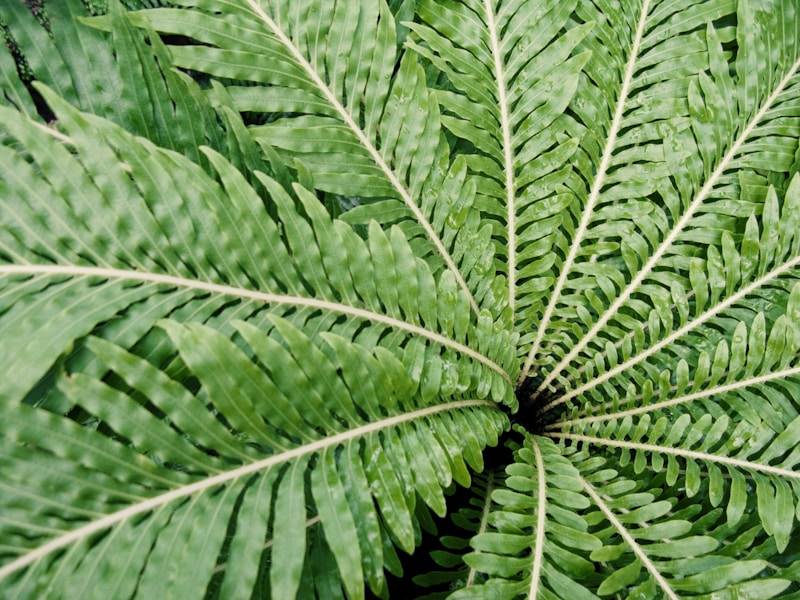
Learn Wild Foraging
Identify and safely harvest wild edible plants and mushrooms.
At a Glance
$20+
Ongoing seasonal learning
Different seasons offer different foods
About This Experience
Foraging reconnects humans to the landscape in ways that grocery shopping cannot—developing intimate knowledge of local ecosystems, seasonal cycles, and the edible abundance that grows unnoticed by most modern people. Learning to identify wild edibles transforms walks through woods, fields, and even urban areas into treasure hunts while providing foods that combine exceptional freshness with flavors commercial agriculture rarely offers. The safety-first approach to foraging cannot be overemphasized, particularly regarding mushrooms. Some wild mushrooms are deadly; some deadly mushrooms closely resemble edible ones; and the consequences of misidentification can include liver failure and death. The foraging principle "when in doubt, throw it out" should guide all collection, and mushroom foraging specifically requires expert mentorship or extensive study before independent collection. The deaths that occur each year from mushroom misidentification demonstrate that enthusiasm cannot substitute for certain knowledge. The beginner-friendly plants provide safe entry into foraging practice. Dandelions, with their distinctive leaves and familiar yellow flowers, grow abundantly in lawns and fields; all parts are edible. Nettles, identified by their serrated leaves and stinging hairs, lose their sting when cooked and provide exceptional nutrition. Wild berries—blackberries, raspberries, elderberries—resemble their cultivated cousins and grow in predictable habitats. These "starter" plants develop identification skills while minimizing misidentification risks. The seasonal awareness that foraging develops structures the activity throughout the year. Spring brings tender greens emerging from winter dormancy. Summer provides berries and flowers. Fall offers nuts, seeds, and abundant mushrooms in many regions. Even winter provides some foraging opportunities in mild climates. Learning what to expect when transforms random walks into purposeful seasonal harvests. The ecological knowledge that accompanies competent foraging extends beyond species identification into habitat understanding. Knowing where to look matters as much as knowing what to look for. Mushrooms associate with particular tree species; berries thrive at forest edges; aquatic plants require specific water conditions. This habitat literacy develops through accumulated experience in the field. The field guide selection provides the foundational resource for independent foraging development. Regional guides covering your specific area work better than general guides that include plants you'll never encounter. Multiple guides allow comparison when identification questions arise. Increasingly, apps provide identification assistance, though their accuracy varies and shouldn't be trusted for species where misidentification carries serious consequences. The course and mentorship opportunities accelerate learning while providing safety that self-teaching lacks. Local experts—whether professional guides or experienced amateurs—can provide identification confirmation, point out abundance that beginners miss, and share knowledge that books cannot convey. Finding local foraging communities through naturalist organizations, classes, or online groups provides ongoing learning resources. The legal and ethical considerations shape where and how to forage. Permission matters on private property; regulations govern collection on public lands; conservation concerns limit harvest of rare species. Sustainable foraging takes only portions of populations, leaving enough for regeneration and for wildlife that depends on the same resources.
Cost Breakdown
Estimated costs can vary based on location, season, and personal choices.
Budget
Basic experience, economical choices
Mid-Range
Comfortable experience, quality choices
Luxury
Premium experience, best options
Difficulty & Requirements
Requires some preparation, skills, or resources.
Physical Requirements
Hiking ability
Prerequisites
- Quality field guides
- Expert guidance for mushrooms
Tips & Advice
Start with easily identifiable plants
Mushrooms require expert guidance - mistakes can be fatal
Learn in your local ecosystem
Foraging courses with experts are invaluable
Start with the "safe" plants: nettles, dandelions, berries
Community Discussion
Ask questions, share tips, or read experiences from others.
View Discussions Start DiscussionShare This Experience
Quick Summary
- Category Learning
- Starting Cost $20
- Time Needed Ongoing seasonal learning
- Best Season Different seasons offer different foods
- Difficulty Challenging
You Might Also Like
Become Fluent in a New Language
Achieve conversational fluency in a language you've always wanted to speak.

Learn to Play a Musical Instrument
Pick up an instrument and learn to play songs you love.

Get a Pilot's License
Learn to fly and earn your private pilot certificate.

Learn to Code
Master programming and build your own apps or websites.