Complete the Iditarod
From $30k
At a Glance
$30k+
8-15 days race, years of preparation
Alaska, USA
March
About This Experience
The Iditarod Trail Sled Dog Race spans approximately 1,000 miles from Anchorage to Nome across Alaska's wilderness, establishing itself as the "Last Great Race on Earth" through a combination of distance, extreme conditions, and the unique human-canine partnership that makes dog sledding unlike any other endurance sport. Mushers and their teams face blizzards, temperatures dropping below -50°F, treacherous mountain passes, frozen rivers, and the accumulated exhaustion of 8-15 days of nearly continuous travel. The historical roots of the Iditarod trace to the 1925 serum run that saved Nome from a diphtheria epidemic, when dog teams relayed medicine across the frozen territory in conditions that killed several dogs and nearly killed multiple drivers. The race commemorates that relay and the broader tradition of dog mushing that enabled Alaska settlement before mechanized transportation. The race follows portions of the historic mail and supply route, though course variations exist for even and odd years. The dog care that dominates musher responsibilities surprises those who imagine the Iditarod as primarily a human endurance challenge. The dogs—typically Alaskan huskies bred and trained specifically for distance racing—require constant attention: feeding high-calorie diets that sustain their 10,000+ daily caloric burn, monitoring for injury or illness, managing rest schedules, and maintaining morale that keeps the team working as a unit. Many mushers describe the race as "90% dog care, 10% driving." Veterinarians at checkpoints examine every dog; teams with unhealthy dogs face penalties or disqualification. The training regimen for an Iditarod attempt spans years rather than months. Mushers typically race shorter events for several seasons, building both their own skills and their dog team's experience. The kennel operation that supports serious racing requires substantial investment: 20-50 dogs in training, feeding and medical costs, equipment, and transportation to training grounds and qualifying races. Most competitive mushers operate mushing as a full-time occupation or primary focus rather than a side endeavor. The race itself demands navigation across terrain that ranges from the Alaska Range mountains through river ice, coastal tundra, and frozen Norton Sound. Each section presents distinct challenges: mountain passes require technical driving skills and resilient dogs; river ice breaks unpredictably, risking drowning; open tundra exposes teams to wind that can produce whiteout conditions and dangerous wind chill. The checkpoints that punctuate the route provide required rest stops, veterinary checks, and resupply opportunities that structure the race into manageable segments. The sleep deprivation that accumulates through Iditarod racing rivals the most demanding human endurance events. Competitive mushers sleep minimally—sometimes as little as two hours per day—while maintaining the judgment required to care for dogs, navigate safely, and make strategic decisions about rest and pacing. The hallucinations and impaired cognition that accompany extreme sleep deprivation become part of the Iditarod experience; managing these effects while maintaining safety standards tests psychological resilience alongside physical endurance. The finish in Nome—arriving under the burled arch after crossing more than 1,000 miles of Alaska wilderness—provides one of sport's most emotionally charged completions. The bond between musher and dog team, forged through days of shared struggle, produces relationships that participants describe as among the most meaningful of their lives. The dogs' enthusiasm, their willingness to run, their obvious joy in the work—these elements transform the Iditarod from endurance event into celebration of the human-canine partnership that has shaped both species over millennia. The ethical debates surrounding the Iditarod reflect broader questions about animal athletics. Critics point to dog deaths during races (averaging 1-2 per year in recent editions), the demanding conditions that dogs face, and questions about consent that animals cannot provide. Supporters emphasize the dogs' breeding for and apparent love of running, the extensive veterinary care, and the welfare standards that have improved through the race's history. The debate continues; the race continues; and the human fascination with this unique form of endurance partnership continues alongside.
Cost Breakdown
Estimated costs can vary based on location, season, and personal choices.
Budget
Basic experience, economical choices
Mid-Range
Comfortable experience, quality choices
Luxury
Premium experience, best options
Difficulty & Requirements
Expert level. Extensive preparation, skills, and resources needed.
Physical Requirements
Extreme cold tolerance, dog handling
Prerequisites
- Qualifying races
- Own dog team
- Alaska experience
Tips & Advice
Most mushers train for 3-5 years before attempting
You need a team of 12-16 dogs
Dog care is 90% of the job
Sleep deprivation is extreme
The bond with your dogs is everything
Community Discussion
Ask questions, share tips, or read experiences from others.
View Discussions Start DiscussionShare This Experience
Quick Summary
- Category Adventure
- Starting Cost $30k
- Time Needed 8-15 days race, years of preparation
- Best Season March
- Difficulty Extreme
You Might Also Like

Go Dog Sledding
Mush across snowy landscapes pulled by excited huskies.
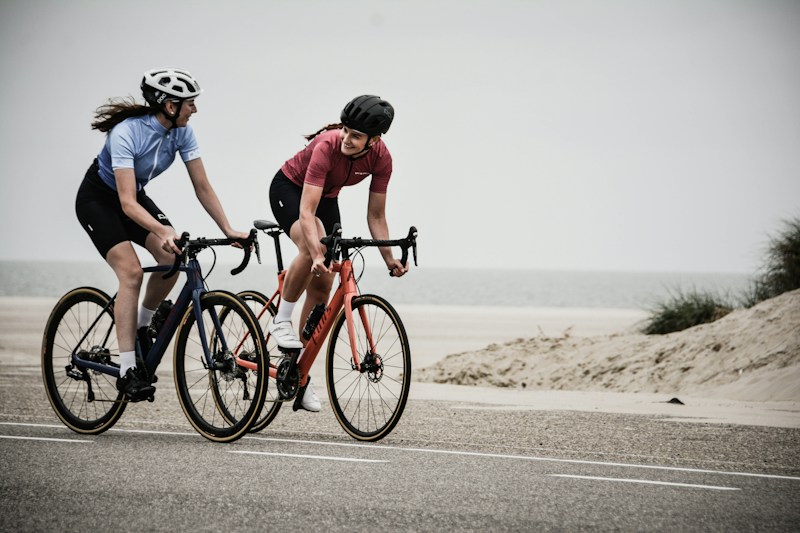
Complete Race Across America (RAAM)
Cycle 3,000 miles across the USA non-stop.
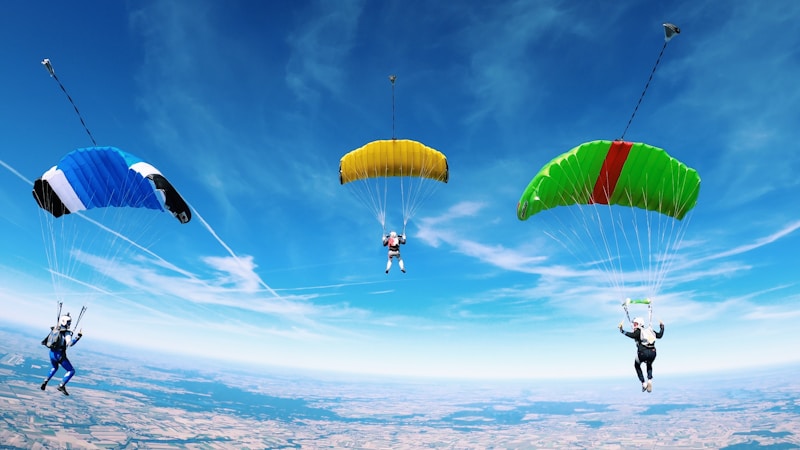
Go Skydiving
Experience the ultimate adrenaline rush by jumping from a plane.

Bungee Jump
Take the leap and freefall before bouncing back.