Develop a Meditation Practice
From Free
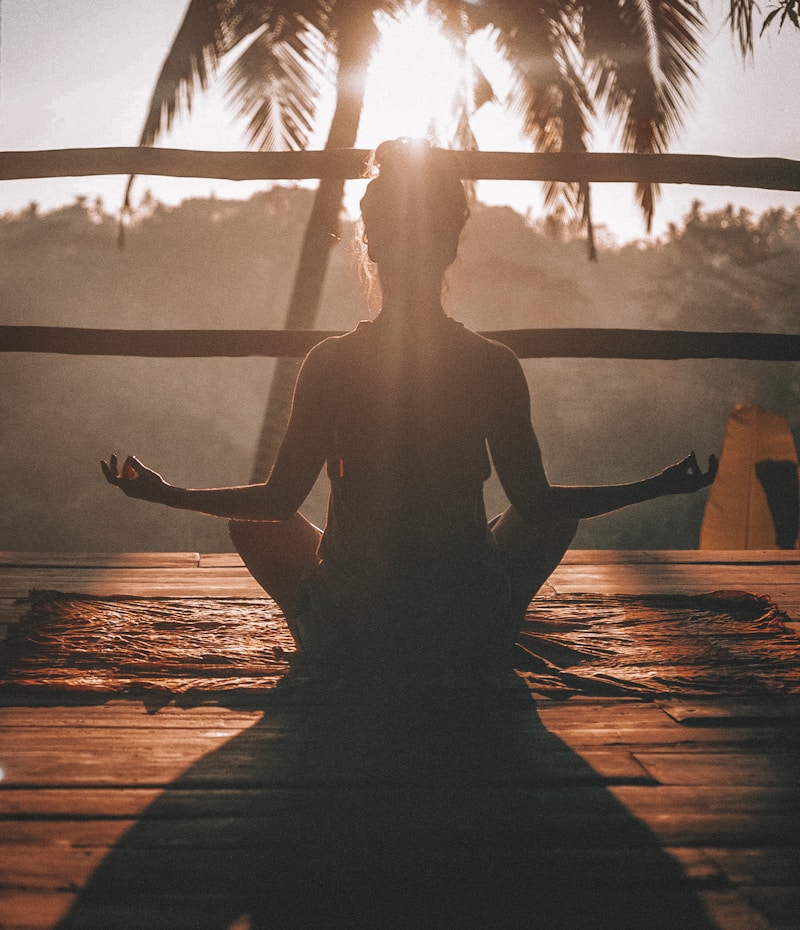
Develop a Meditation Practice
Train your mind through consistent meditation practice.
At a Glance
Free+
Ongoing - start with 10 mins/day
Year-round
About This Experience
Developing a meditation practice cultivates mental skills that modern life rarely develops but desperately needs—the ability to direct attention deliberately, to observe thoughts without being controlled by them, and to maintain calm in circumstances that typically trigger reactivity. What appears from outside as simply sitting quietly involves training of attention and awareness that produces measurable changes in brain structure and function. The neurological evidence for meditation benefits has accumulated substantially. Regular meditation practice increases gray matter in brain regions associated with learning, memory, and emotional regulation. Activity in the amygdala (the brain's fear center) decreases in experienced meditators. Attention and working memory show improvement. These changes aren't metaphorical; brain scans reveal physical differences between meditators and non-meditators that correlate with meditation experience. The concentration practices that form meditation's foundational technique involve directing attention to a chosen object—typically the breath—and returning attention when it wanders. The practice seems deceptively simple: sit still, breathe naturally, notice when attention drifts, return it gently. The challenge emerges in execution: attention wanders constantly; frustration arises; the mind generates endless reasons to stop. Working with this difficulty IS the practice, not an obstacle to it. The mindfulness approach that has dominated secular meditation teaching emphasizes non-judgmental awareness of present experience. Rather than controlling thoughts or achieving special states, mindfulness develops the capacity to observe whatever arises—thoughts, sensations, emotions—without automatically reacting. This witnessing stance creates space between stimulus and response, enabling choice where habit previously ruled. The common misconception that successful meditation means achieving thought-free states leads many beginners to conclude they "can't meditate" when thoughts continue. The goal isn't to stop thinking but to change your relationship with thoughts—to observe them arising and passing without identifying with them completely. The meditator who notices mind-wandering and returns to breath IS meditating successfully, regardless of how often attention drifts. The daily practice habit matters far more than session length. Ten minutes daily produces more benefit than one hour weekly because meditation trains the brain through consistent repetition, not intensive occasional sessions. Establishing meditation as a daily practice—perhaps linked to an existing routine like morning coffee—creates the regularity that produces lasting change. The guided meditation resources that have proliferated through apps and online platforms provide accessible entry points for beginners. Apps like Headspace, Calm, and Insight Timer offer structured programs that teach basic techniques and maintain motivation. These resources serve well for establishing practice; eventually, many practitioners move to unguided meditation as skills develop. The retreat experience offers depth that daily practice alone cannot provide. Multi-day silent retreats, whether in traditional meditation centers or secular contexts, enable sustained practice that reveals aspects of mind invisible during brief sessions. The intensity can be challenging—facing your own mind for days without distraction exposes patterns that normal life allows you to avoid—but the insights often prove transformative. Even a single weekend retreat can shift practice significantly.
Cost Breakdown
Estimated costs can vary based on location, season, and personal choices.
Budget
Basic experience, economical choices
Mid-Range
Comfortable experience, quality choices
Luxury
Premium experience, best options
Difficulty & Requirements
Accessible for most people with basic planning.
Physical Requirements
Ability to sit
Prerequisites
- Quiet space
- Patience with yourself
Tips & Advice
Start with guided meditations
Apps like Headspace or Calm help beginners
10 minutes daily beats 1 hour weekly
The "I can't meditate" thought IS meditation
Retreat experiences deepen practice
Related Topics
Community Discussion
Ask questions, share tips, or read experiences from others.
View Discussions Start DiscussionShare This Experience
Quick Summary
- Category Learning
- Starting Cost Free
- Time Needed Ongoing - start with 10 mins/day
- Best Season Year-round
- Difficulty Moderate
You Might Also Like
Become Fluent in a New Language
Achieve conversational fluency in a language you've always wanted to speak.

Learn to Play a Musical Instrument
Pick up an instrument and learn to play songs you love.

Get a Pilot's License
Learn to fly and earn your private pilot certificate.

Learn to Code
Master programming and build your own apps or websites.