Master Photography
From $300
Master Photography
Learn to capture stunning images with technical skill and artistic vision.
At a Glance
$300+
Ongoing - basics in months
Year-round
About This Experience
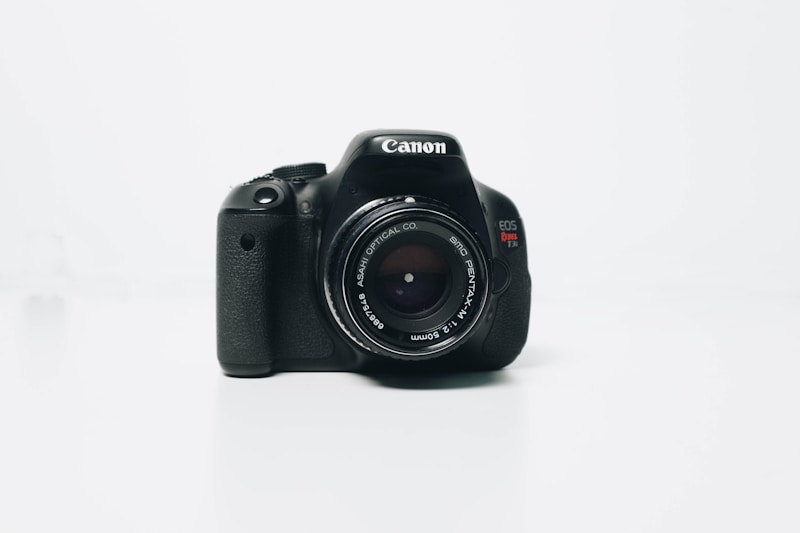
Mastering photography develops both technical understanding and artistic vision—the ability to control light, compose images effectively, and capture moments that communicate emotion and narrative. The journey from snapshooter to skilled photographer transforms how you see the world, training attention to light quality, compositional relationships, and the decisive moments that make compelling images. The democratization of photography through smartphones and digital cameras has made entry easy while the skill ceiling remains as high as ever. The exposure triangle—aperture, shutter speed, and ISO—forms the technical foundation that enables creative control. Aperture controls depth of field, determining whether backgrounds blur or remain sharp. Shutter speed freezes or blurs motion. ISO determines light sensitivity at the cost of image noise. Understanding how these three variables interact, and learning to adjust them quickly for changing conditions, frees photographers from automatic mode dependence and enables deliberate creative choices. The composition principles that elevate images from documentation to art have been studied and codified for centuries. The rule of thirds provides a starting framework. Leading lines guide viewer attention. Framing creates context and depth. Negative space provides breathing room. These principles aren't rules to follow mechanically but tools to apply deliberately—understanding them enables breaking them effectively when creative vision demands. The light quality awareness that distinguishes skilled photographers from casual shooters develops through observation and practice. The golden hour light around sunrise and sunset produces warm tones and long shadows that flatter subjects. Overcast days provide soft, even illumination ideal for portraits. Harsh midday sun creates contrast that works for some images and destroys others. Learning to see light—its direction, quality, color—transforms both photography and general visual awareness. The post-processing workflow has become integral to modern photography rather than optional enhancement. Editing adjusts exposure, contrast, and color to realize the photographer's vision. Cropping refines composition. Selective adjustments draw attention to subjects. The ethical questions about how much manipulation is acceptable depend on context and purpose; documentary photography demands restraint while artistic work permits extensive transformation. Developing a personal editing style contributes as much to photographic voice as shooting technique. The gear question preoccupies beginners more than it should. Smartphone cameras now exceed what professional equipment achieved a decade ago; skilled photographers create compelling images with any camera. Better equipment doesn't produce better photographs—it expands the range of conditions and subjects you can capture effectively. Investing in lenses often improves results more than camera body upgrades; investing in skills improves results more than any equipment. The genre specialization that many photographers eventually pursue—portraits, landscapes, street, wildlife, architecture—develops distinct skill sets while applying common fundamentals. Each genre presents unique challenges: portraits require managing human subjects; landscapes demand patience and previsualization; street photography develops decisive moment instincts; wildlife requires knowledge of animal behavior. Sampling multiple genres often reveals unexpected resonance with particular subjects or approaches. The portfolio development through consistent shooting, critical self-evaluation, and willingness to delete unsuccessful images builds the body of work that represents photographic development. Looking back at older images reveals how vision has evolved; curating selections forces honest assessment of which images actually work. The portfolio becomes both documentation of progress and tool for continued improvement through reflection on what makes individual images succeed or fail.
Cost Breakdown
Estimated costs can vary based on location, season, and personal choices.
Budget
Basic experience, economical choices
Mid-Range
Comfortable experience, quality choices
Luxury
Premium experience, best options
Difficulty & Requirements
Accessible for most people with basic planning.
Physical Requirements
None
Prerequisites
- Camera (even a smartphone)
Tips & Advice
Learn to shoot in manual mode
Golden hour light is magical
Composition matters more than gear
Edit your photos - it's part of the craft
Study photographers you admire
Related Topics
Community Discussion
Ask questions, share tips, or read experiences from others.
View Discussions Start DiscussionShare This Experience
Quick Summary
- Category Learning
- Starting Cost $300
- Time Needed Ongoing - basics in months
- Best Season Year-round
- Difficulty Moderate
You Might Also Like

Learn to Draw
Develop drawing skills from fundamentals to personal style.
Learn to Play a Musical Instrument
Pick up an instrument and learn to play songs you love.

Learn to Code
Master programming and build your own apps or websites.
Become Fluent in a New Language
Achieve conversational fluency in a language you've always wanted to speak.