Learn Lockpicking
From $30
At a Glance
$30+
First picks in hours, proficiency takes months
Year-round
About This Experience
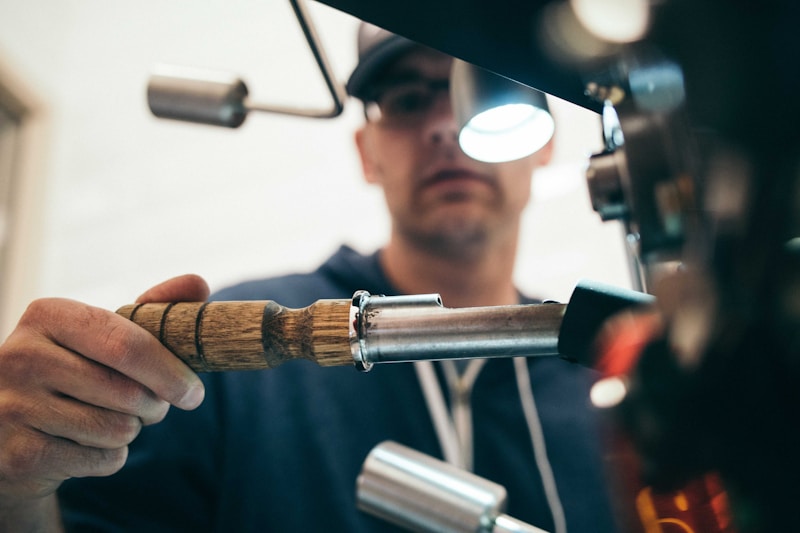
Lockpicking develops understanding of the mechanical systems that secure most doors and containers while providing a tactile puzzle-solving hobby with a welcoming community. The skill reveals that common locks offer far less security than most people assume—an educational insight that can improve your own security choices—while delivering the satisfaction of learning a mysterious skill that seems magical until you understand the underlying mechanics. The pin tumbler mechanism that secures most common locks operates through a simple principle: spring-loaded pins of varying heights must be lifted to a precise shear line for the lock to open. The key's cuts push pins to correct heights; picking manipulates pins without the key. Understanding this mechanism—really understanding it, not just knowing the description—transforms locks from impenetrable black boxes into mechanical puzzles with clear logic. The tension control forms the core picking skill. A tension wrench applies light rotational pressure to the lock cylinder while pick tools manipulate pins. Too much tension binds pins before they reach shear line; too little allows set pins to drop. Learning the correct tension—light enough to allow pin movement, heavy enough to catch pins at shear line—requires tactile feedback that develops only through practice. The single pin picking technique addresses pins individually, setting each to shear line before moving to the next. The approach works on virtually all pin tumbler locks but requires developed feel for binding order and pin state. Beginning pickers often start here before developing faster techniques for appropriate lock types. The raking techniques provide faster opening for simpler locks through randomized pin manipulation. Rake picks with serrated profiles are moved in and out of the lock while light tension is applied; the random movements occasionally set all pins simultaneously. Raking succeeds quickly on low-security locks but fails on higher-security designs with tighter tolerances or security pins. The security pin variations in higher-quality locks defeat basic techniques through designs that create false set sensations. Spool pins, serrated pins, and other security features require modified techniques and greater skill. Learning to identify and defeat security pins represents intermediate picking development that separates casual hobbyists from skilled practitioners. The ethical framework surrounding lockpicking is clear: only pick locks you own or have explicit permission to pick. The skill is legal in most jurisdictions when practiced ethically; using it for unauthorized entry constitutes criminal conduct regardless of skill level. The lockpicking community self-polices ethics strictly; those who discuss or demonstrate unethical use face community exclusion. The community resources through forums (r/lockpicking), organizations (like TOOOL), and YouTube channels provide learning support that accelerates skill development. Local picker meetups exist in many areas. The community's welcoming culture and emphasis on education make lockpicking accessible despite its mysterious reputation.
Cost Breakdown
Estimated costs can vary based on location, season, and personal choices.
Budget
Basic experience, economical choices
Mid-Range
Comfortable experience, quality choices
Luxury
Premium experience, best options
Difficulty & Requirements
Accessible for most people with basic planning.
Physical Requirements
Fine motor skills
Prerequisites
- Practice locks
- Pick set
Tips & Advice
Start with transparent practice locks
Only pick locks you own or have permission to pick
It's legal in most places (check local laws)
The community is welcoming (see r/lockpicking)
It's more about feel than force
Related Topics
Community Discussion
Ask questions, share tips, or read experiences from others.
View Discussions Start DiscussionShare This Experience
Quick Summary
- Category Learning
- Starting Cost $30
- Time Needed First picks in hours, proficiency takes months
- Best Season Year-round
- Difficulty Moderate
You Might Also Like
Learn to Play a Musical Instrument
Pick up an instrument and learn to play songs you love.

Become Fluent in a New Language
Achieve conversational fluency in a language you've always wanted to speak.

Get a Pilot's License
Learn to fly and earn your private pilot certificate.

Learn to Code
Master programming and build your own apps or websites.