Earn a Martial Arts Belt
From $100
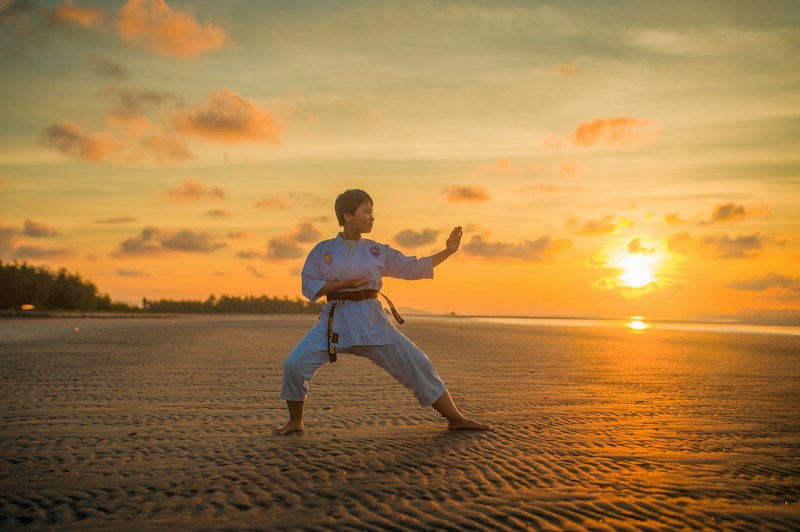
Earn a Martial Arts Belt
Train in a martial art and achieve a significant rank.
At a Glance
$100+
3-5 years for black belt
Year-round
About This Experience
Martial arts training offers a comprehensive system for developing body, mind, and character—combining physical fitness with self-defense capability, mental discipline with stress relief, and personal growth with community connection. The belt ranking system provides clear progression milestones that mark genuine skill development, creating a structured journey from white belt beginner through the years of training required for black belt expertise. The style selection among martial arts depends on goals, physical preferences, and available training options. Brazilian Jiu-Jitsu emphasizes ground fighting and submissions, proving highly effective in real self-defense situations while offering challenging intellectual and physical engagement. Muay Thai develops devastating striking with hands, elbows, knees, and kicks. Traditional martial arts like Karate, Taekwondo, and Judo offer structured curricula with deep cultural traditions. Mixed martial arts training combines elements from multiple disciplines. The best choice is the one you'll actually train consistently—a mediocre art practiced regularly beats a superior art practiced sporadically. The school selection matters more than style selection for most practitioners. Quality instruction from an experienced teacher in any martial art produces better results than poor instruction in a theoretically superior style. Visiting schools, observing classes, and taking trial lessons reveals teaching quality, student culture, and training intensity. The atmosphere should feel challenging but welcoming; schools that seem more interested in selling contracts than developing students warrant skepticism. The physical development from martial arts training extends beyond the specific techniques learned. Flexibility improves through consistent stretching and movement. Cardiovascular capacity develops through drilling and sparring. Functional strength builds through techniques that use the whole body. Balance, coordination, and body awareness sharpen through the precise movements that martial arts require. The fitness benefits often exceed what gym workouts provide because the engagement makes training sustainable. The mental discipline aspects distinguish martial arts from other physical activities. The requirement to perform techniques correctly under pressure develops focus. The hierarchy of belt ranks teaches respect and humility. The challenge of sparring—confronting opponents trying to hit or submit you—builds composure under stress. The philosophical traditions underlying many martial arts provide frameworks for conduct beyond the training mat. The self-defense capability that martial arts provide carries important caveats. Training in controlled environments doesn't fully prepare for the chaos, weapons, and multiple attackers that real confrontations can involve. The best self-defense remains awareness and avoidance. However, martial arts training does develop confidence, physical capability, and practiced responses that improve outcomes if confrontation becomes unavoidable. The training also reduces the fear and freeze responses that untrained people often experience. The timeline to black belt varies dramatically across styles and schools. Traditional martial arts typically require 3-5 years of consistent training; Brazilian Jiu-Jitsu commonly takes 8-12 years. The belt system exists to mark progress, not to rush through; the rank reflects accumulated skill rather than time served. Schools that offer accelerated black belt timelines for additional fees have earned skepticism from the martial arts community. The community dimension of martial arts training provides connection and accountability. Training partners become friends through shared struggle. The school community offers support during difficult periods. The ritual of training—bowing, addressing instructors formally, following protocols—creates structure that many students find grounding. For many practitioners, the relationships formed through training constitute the practice's greatest value.
Cost Breakdown
Estimated costs can vary based on location, season, and personal choices.
Budget
Basic experience, economical choices
Mid-Range
Comfortable experience, quality choices
Luxury
Premium experience, best options
Difficulty & Requirements
Challenging. Significant preparation and commitment required.
Physical Requirements
Physical fitness develops with training
Prerequisites
- Find a quality school
- Commitment
Tips & Advice
Try several styles before committing
BJJ and Muay Thai are popular for adults
Consistency matters more than intensity
The journey is more valuable than the belt
Injuries happen - listen to your body
Related Topics
Community Discussion
Ask questions, share tips, or read experiences from others.
View Discussions Start DiscussionShare This Experience
Quick Summary
- Category Learning
- Starting Cost $100
- Time Needed 3-5 years for black belt
- Best Season Year-round
- Difficulty Difficult
You Might Also Like
Learn a Dance Style
Master a dance form - salsa, tango, hip hop, or ballroom.

Become Fluent in a New Language
Achieve conversational fluency in a language you've always wanted to speak.

Learn to Play a Musical Instrument
Pick up an instrument and learn to play songs you love.

Get a Pilot's License
Learn to fly and earn your private pilot certificate.