Attend a Silent Meditation Retreat
From Free
Attend a Silent Meditation Retreat
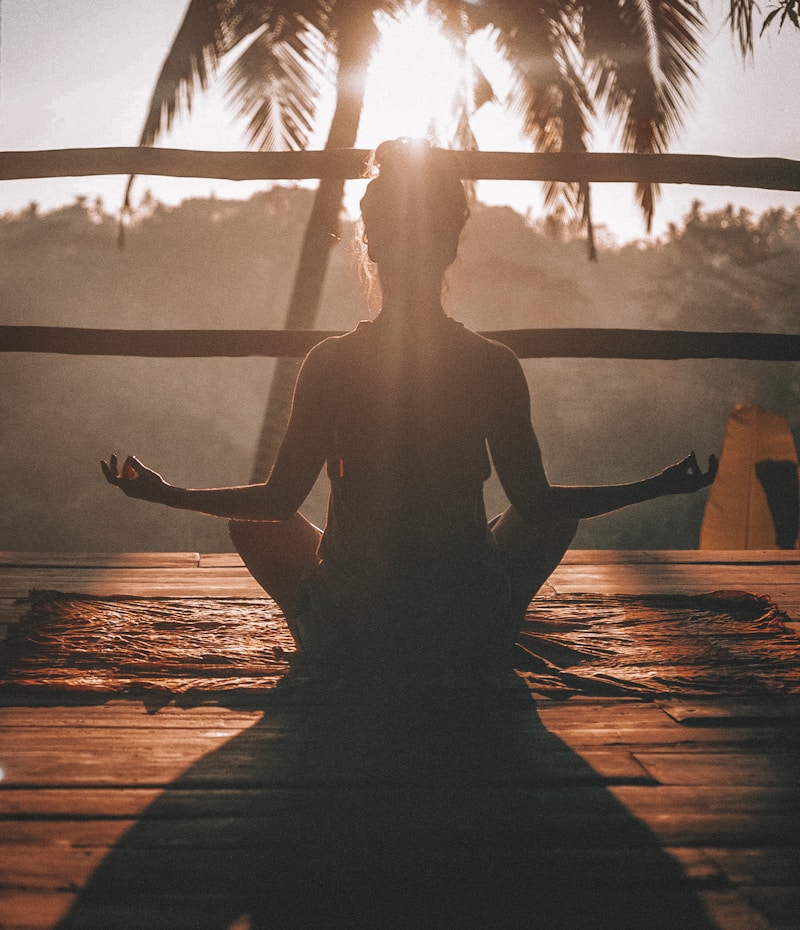
Spend days in silence, deepening your meditation practice.
At a Glance
Free+
3-10 days
Year-round
About This Experience
Silent meditation retreats offer radical departure from modern life's constant stimulation, stripping away conversation, entertainment, and distraction to create conditions for profound inner exploration. Days of noble silence—no speaking, no reading, no writing, no eye contact—combined with continuous meditation practice create shifts in consciousness that casual daily practice cannot achieve. These intensive experiences, rooted in contemplative traditions spanning thousands of years, remain surprisingly accessible to beginners while offering depth that challenges experienced practitioners. The silence itself produces unexpected effects. Initially, the absence of conversation feels awkward, uncomfortable, even unbearable. The mind races, generating internal monologue at volumes never noticed in normal life. But as days pass, the internal noise begins to quiet. Without new input requiring processing, without social interaction demanding performance, the mind gradually settles into a stillness that many participants have never experienced in adult life. This silence becomes not absence but presence—space in which subtler aspects of experience become perceptible. The Vipassana tradition, as taught by S.N. Goenka, offers the most accessible introduction through free ten-day courses offered at centers worldwide. These retreats follow structured schedules: wake at 4:00 AM, meditate for hours with breaks for simple vegetarian meals, receive evening instruction, sleep early, repeat for ten days. The technique focuses on body sensation awareness, training attention to observe physical experience without reaction. The rigor challenges nearly every participant, but the organization's decades of experience have created systems that support completion for those who commit. The psychological arc of retreat follows recognizable patterns. The first days bring restlessness, physical discomfort from unaccustomed sitting, and doubt about whether continuing makes sense. Many participants fantasize about leaving. Around day three or four, a settling often occurs—the body adjusts, the mind begins to cooperate, glimpses of deeper awareness emerge. The middle days frequently bring intense experiences: old memories surfacing, emotional releases, insights into habitual patterns. The final days integrate these experiences, and many participants report profound shifts by the time silence ends on the last morning. Physical demands of meditation retreats require preparation and acceptance. Sitting for hours, even with proper cushions and postures, creates discomfort in bodies unaccustomed to stillness. Most retreats accommodate physical limitations with chairs or benches when floor sitting proves impossible, but some discomfort is considered part of the practice—learning to observe pain without reaction applies the meditation technique directly. Gentle movement periods between sessions help, but retreat life remains more sedentary than most modern routines. The food on meditation retreats typically emphasizes simplicity: vegetarian meals designed to nourish without producing drowsiness or stimulation. Goenka Vipassana retreats serve two meals daily with no solid food after noon, following traditional Buddhist practice. Other retreat centers vary in approach; some offer three meals, some accommodate specific dietary needs more readily. The simplicity of eating without conversation, without distraction, transforms meals into mindful experiences many participants find unexpectedly profound. Retreat centers span the globe, with established options suiting various preferences and budgets. Spirit Rock and Insight Meditation Society in the United States offer Western Buddhist perspectives in residential settings. Plum Village in France provides Thich Nhat Hanh's engaged Buddhist approach. Dhamma centers worldwide offer Goenka Vipassana on donation basis, making retreats accessible regardless of financial circumstances. Monastery stays in Thailand, Burma, and Sri Lanka offer immersion in traditional Asian contexts. Each approach teaches somewhat different techniques within the broad meditation tradition. Integration after retreat presents challenges that many participants underestimate. Returning from extended silence to the noise and demands of ordinary life can feel jarring, even traumatic. The insights and peace cultivated on retreat seem fragile against workplace stress and family obligations. Effective integration requires protecting the shift: maintaining daily practice, avoiding immediate return to normal stimulation levels, processing the experience through journaling or conversation with those who understand. Many retreat veterans schedule buffer days between retreat ending and work resuming. The effects of well-integrated retreat experience extend far beyond the days spent in silence. Participants commonly report lasting changes: reduced reactivity to stress, greater awareness of habitual patterns, improved relationships through more present listening, existential insights that reshape life priorities. These changes, impossible to guarantee and varying greatly between individuals, represent retreat's genuine promise—not escape from life but transformed engagement with it.
Cost Breakdown
Estimated costs can vary based on location, season, and personal choices.
Budget
Basic experience, economical choices
Mid-Range
Comfortable experience, quality choices
Luxury
Premium experience, best options
Difficulty & Requirements
Requires some preparation, skills, or resources.
Physical Requirements
Ability to sit for extended periods
Prerequisites
- Some meditation experience recommended
Tips & Advice
Vipassana offers free 10-day retreats
The first few days are the hardest
Don't fight the boredom - observe it
The insights often come after the retreat
Spirit Rock and Insight Meditation Society are respected
Related Topics
Community Discussion
Ask questions, share tips, or read experiences from others.
View Discussions Start DiscussionShare This Experience
Quick Summary
- Category Wellness
- Starting Cost Free
- Time Needed 3-10 days
- Best Season Year-round
- Difficulty Challenging
You Might Also Like

Participate in a Plant Medicine Ceremony
Experience traditional ceremonial plant medicine.

Try Floatation Therapy
Experience sensory deprivation in a float tank.
Attend a Holistic Wellness Retreat
Immerse yourself in comprehensive mind-body healing.

Run a Marathon
Complete the iconic 26.2-mile distance.