Master Mixology
From $100
At a Glance
$100+
Basic competency in weeks
Year-round
About This Experience
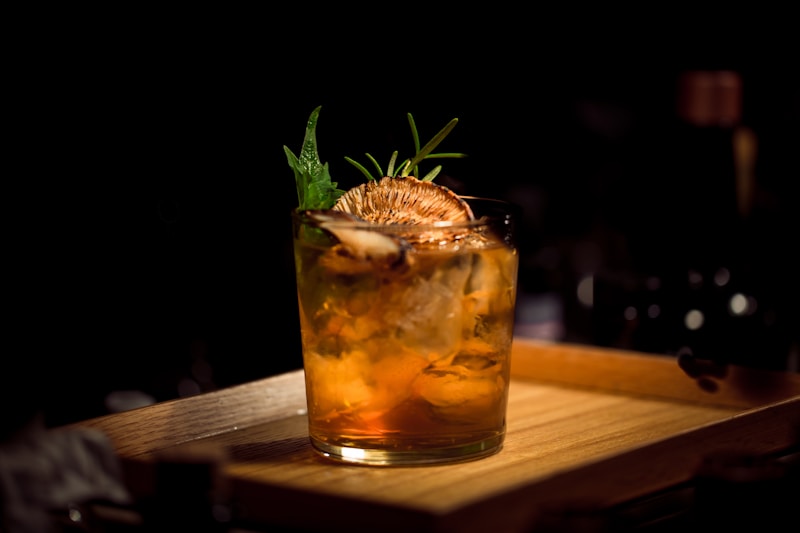
Mixology combines understanding of spirits, mastery of technique, and creativity in recipe development to craft cocktails that transcend simple drink-mixing into genuine culinary art. The modern cocktail renaissance has elevated the field from bartending basics to a discipline with its own literature, competitions, and cultural significance, while making quality cocktails accessible to home enthusiasts willing to learn foundational principles. The balance concept underlying great cocktails involves four elements: spirit (the alcoholic base), sweet, sour, and bitter. Classic cocktail templates—sour (spirit, citrus, sweetener), old fashioned (spirit, sugar, bitters), martini (spirit, vermouth)—provide frameworks that accommodate endless variation once understood. Learning to taste for balance and adjust recipes accordingly distinguishes cocktail craft from recipe-following. The spirit knowledge that serious mixology requires begins with understanding base categories: whiskey (bourbon, rye, Scotch, Irish), gin (London dry, Plymouth, Old Tom, contemporary), rum (white, aged, agricole), tequila and mezcal, vodka, and brandy (cognac, armagnac, pisco). Each category contains diversity that affects cocktail applications; a recipe's success often depends on selecting appropriate expressions within categories. The technique development for proper cocktail making includes shaking (for citrus-containing drinks), stirring (for spirit-forward drinks without citrus), muddling (extracting flavors from herbs and fruits), straining (controlling ice and particulate in finished drinks), and expressing citrus oils (garnishing). Each technique has correct methods that affect both taste and presentation; learning them elevates results immediately. The ice considerations matter more than casual drink makers realize. Dilution from melting ice is an intentional component of cocktail balance, not a flaw. Ice size, shape, and quality affect dilution rate and aesthetics. Clear ice signals attention to craft; cloudy ice doesn't ruin drinks but suggests casual approach. Large ice cubes melt slowly for sipping drinks; crushed ice melts quickly for drinks that benefit from progressive dilution. The equipment essentials include shaker (Boston or cobbler style), mixing glass, bar spoon, jigger, strainer, and muddler. Quality tools improve results through durability and precision; cheap equipment often frustrates more than it helps. The investment is modest compared to spirits; skimping on tools while buying premium spirits makes little sense. The classic cocktail mastery provides foundation before original creation. The Old Fashioned, Manhattan, Martini, Daiquiri, Margarita, Negroni, Whiskey Sour, and others have earned their classic status through decades of appreciation. Executing these perfectly teaches principles that original recipes then apply. Inventing before understanding classics produces mediocre results regardless of creative ambition. The home bar development can proceed gradually, with spirits purchased to support specific cocktails rather than all at once. A bottle each of bourbon, gin, sweet vermouth, and dry vermouth plus bitters opens most classic cocktails; expansion follows as interests develop. Fresh citrus, not bottled juice, makes dramatic differences; keeping lemons and limes on hand should precede elaborate ingredient acquisition.
Cost Breakdown
Estimated costs can vary based on location, season, and personal choices.
Budget
Basic experience, economical choices
Mid-Range
Comfortable experience, quality choices
Luxury
Premium experience, best options
Difficulty & Requirements
Accessible for most people with basic planning.
Physical Requirements
None
Prerequisites
- Bar tools
- Quality spirits
Tips & Advice
Master the classics first
Fresh citrus makes a huge difference
Balance is everything: spirit, sweet, sour, bitter
Ice quality matters more than you think
Death & Co and Cocktail Codex are great books
Related Topics
Community Discussion
Ask questions, share tips, or read experiences from others.
View Discussions Start DiscussionShare This Experience
Quick Summary
- Category Learning
- Starting Cost $100
- Time Needed Basic competency in weeks
- Best Season Year-round
- Difficulty Moderate
You Might Also Like

Become Fluent in a New Language
Achieve conversational fluency in a language you've always wanted to speak.
Learn to Play a Musical Instrument
Pick up an instrument and learn to play songs you love.

Get a Pilot's License
Learn to fly and earn your private pilot certificate.

Learn to Code
Master programming and build your own apps or websites.