Get a Motorcycle License
From $200
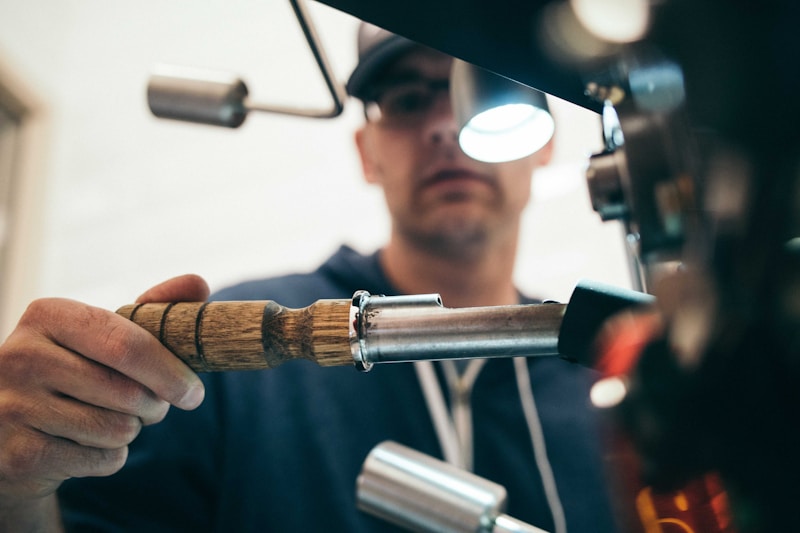
Get a Motorcycle License
Learn to ride a motorcycle and earn your license.
At a Glance
$200+
Basic course is 2-3 days
Spring through fall
About This Experience
Motorcycle riding provides a form of transportation and recreation that car driving cannot replicate—the direct engagement with environment, the physical involvement in vehicle control, and the sense of freedom that open-air travel on two wheels uniquely delivers. Learning proper riding technique through formal training makes the activity substantially safer while developing skills that enhance enjoyment throughout a riding career. The Motorcycle Safety Foundation (MSF) Basic RiderCourse has become the standard entry point for new riders in the United States. The course typically spans two days, combining classroom instruction on traffic strategy and risk management with parking lot exercises on school-provided motorcycles. Graduates receive completion cards that waive the riding portion of the DMV test in most states. The structured curriculum teaches fundamentals more effectively and safely than self-teaching or learning from friends. The basic control skills that the course develops include clutch/throttle coordination, countersteering for directional control, braking technique, and low-speed maneuvering. These fundamentals seem simple but require practice to become automatic. The course exercises—weaving, quick stops, tight turns—build skills progressively while revealing common beginner errors that instructors can correct before habits form. The motorcycle selection for new riders deserves careful consideration. The romanticism of large cruisers or sport bikes often leads beginners toward machines that exceed their current abilities. Smaller displacement bikes (300-500cc) provide sufficient power for learning while being more forgiving of mistakes. The mantra "learn on a bike you can afford to drop" acknowledges that new riders almost inevitably drop their motorcycles; minimizing the cost and weight of those drops makes sense. The gear investment matters for safety in ways that new riders sometimes resist. Helmets are mandatory in most jurisdictions and advisable everywhere; full-face helmets provide better protection than other styles. Armored jackets, pants, gloves, and boots protect against abrasion and impact in ways that regular clothing cannot. "ATGATT" (All The Gear All The Time) summarizes the philosophy that protection shouldn't depend on trip length or apparent risk level. The ongoing skill development after basic licensing continues throughout a riding career. Advanced courses teach techniques for cornering, emergency maneuvers, and track riding. Group riding adds communication and positioning skills. Different motorcycle types—cruisers, sport bikes, adventure bikes, dual sports—develop different skill sets. The best riders remain students; the plateau where someone believes they've "learned to ride" often precedes accidents. The community and culture surrounding motorcycling provide social dimensions beyond the riding itself. Group rides, rallies, online forums, and riding clubs create connections among people who share the passion for two wheels. The diversity of motorcycle culture—from sportbike enthusiasts through touring riders, from cruiser clubs through adventure riders—means that most riders can find communities aligned with their interests. The risk acknowledgment that honest motorcycle discussion requires: motorcycling is statistically more dangerous than car travel. Proper training, protective gear, defensive riding strategies, and continuous skill development reduce but don't eliminate this risk differential. Riders who proceed with clear understanding of risks and commitment to mitigation strategies make informed choices; those who ignore or minimize risks contribute to the statistics.
Cost Breakdown
Estimated costs can vary based on location, season, and personal choices.
Budget
Basic experience, economical choices
Mid-Range
Comfortable experience, quality choices
Luxury
Premium experience, best options
Difficulty & Requirements
Requires some preparation, skills, or resources.
Physical Requirements
Balance, coordination
Prerequisites
- Minimum age requirements vary by state
Tips & Advice
MSF Basic RiderCourse is the best starting point
The course usually waives the DMV riding test
Start on a smaller bike (300-500cc)
ATGATT: All The Gear All The Time
Assume you're invisible to cars
Related Topics
Community Discussion
Ask questions, share tips, or read experiences from others.
View Discussions Start DiscussionShare This Experience
Quick Summary
- Category Learning
- Starting Cost $200
- Time Needed Basic course is 2-3 days
- Best Season Spring through fall
- Difficulty Challenging
You Might Also Like
Get a Pilot's License
Learn to fly and earn your private pilot certificate.
Learn to Sail
Master the art of harnessing wind to navigate the water.
Become Fluent in a New Language
Achieve conversational fluency in a language you've always wanted to speak.
Learn to Play a Musical Instrument
Pick up an instrument and learn to play songs you love.