Go Paragliding
From $100

At a Glance
$100+
2-4 hours
Interlaken, Rio de Janeiro, Queenstown, Pokhara
Depends on location - check local conditions
About This Experience
Paragliding comes closer to pure flight than any other human activity—no engine noise, no rigid structure, just you suspended beneath a fabric wing riding the same rising air currents that birds use to soar. You run down a slope until the wing lifts you off the ground, your feet dangling over increasingly distant terrain, the only sounds being wind in the lines and occasionally your own breathing. For the duration of the flight, which can range from ten minutes to several hours depending on conditions, you experience what birds know: the earth as something to float above rather than walk upon. The tandem flight makes this experience accessible to anyone willing to run a few steps. You're harnessed in front of a certified pilot who controls the wing, manages the thermal hunting, and handles takeoff and landing. Your job is to help during the launch (running until airborne), enjoy the flight, and follow instructions during landing (usually a gentle standing arrival, sometimes a slide on your backside). No training required, no prior experience necessary—just the willingness to step off solid ground and trust the physics. The physics deserve brief explanation because they're counterintuitive. Paragliders don't fall slowly; they fly. The rectangular wing generates lift as it moves through air, just like an airplane wing. Forward motion creates the lift that keeps you aloft. Pilots can climb in rising air (thermals from sun-heated ground, ridge lift where wind deflects upward off mountains) or descend in sinking air. Skilled pilots flying cross-country can cover hundreds of kilometers without power, navigation depending entirely on finding and connecting pockets of rising air. The locations determine the experience as much as the activity itself. Interlaken, Switzerland offers flights with the Alps rising around you, glacial lakes spreading below. Ölüdeniz, Turkey provides coastal scenery and reliable conditions that make it a paragliding mecca. Pokhara, Nepal frames flights with Himalayan peaks. Rio de Janeiro combines beach landing with urban backdrop. Queenstown, New Zealand delivers southern Alps panoramas. Each location shapes what paragliding means—the same activity becomes different experiences in different places. The progression from tandem passenger to independent pilot is available for those who want it. Learn-to-fly courses typically involve 10-15 days of ground handling, theory, and supervised flights before earning a certification that allows you to fly unaccompanied. The investment (typically $1,500-3,000 for training, $3,000-5,000 for equipment) is significant but provides access to a lifetime activity. Many people fly tandem once, catch the bug, and find themselves scheduling training before their vacation ends. The conditions matter enormously. Early morning flights tend toward calm and smooth, ideal for nervous first-timers or pure scenic enjoyment. Midday and afternoon bring thermals—invisible columns of rising air that create turbulence but also allow climbing and extended flights. Pilots read clouds, wind patterns, and terrain to find lift and avoid danger. For tandem passengers, this means trusting your pilot's judgment about when conditions are flyable; reputable operators cancel when conditions make flying inadvisable, prioritizing safety over bookings. The risk profile deserves honest assessment. Paragliding is not without danger—the equipment places you high above the ground, and equipment failures or pilot errors can have serious consequences. However, modern wings are remarkably stable, and tandem pilots with thousands of hours manage risks professionally. The injury rates for tandem flights with qualified pilots are low enough to make the activity accessible to casual participants. Independent flying carries higher risks that training and experience progressively mitigate. The sensation is what endures in memory—that moment when the wing pulls you off the ground and the world drops away beneath your feet. Unlike an airplane, where you watch through windows, or a helicopter, where noise dominates, paragliding places you fully in the air, the environment unmediated. Wind in your face, the pilot occasionally spiraling for altitude, the gradual approach to a landing zone that looked impossibly small from above—these elements combine into an experience that no other activity replicates.
Cost Breakdown
Estimated costs can vary based on location, season, and personal choices.
Budget
Basic experience, economical choices
Mid-Range
Comfortable experience, quality choices
Luxury
Premium experience, best options
Difficulty & Requirements
Accessible for most people with basic planning.
Physical Requirements
Ability to run for takeoff
Prerequisites
- No severe fear of heights
Tips & Advice
Tandem flights require no experience
Morning flights are usually calmer
Interlaken offers stunning Alpine scenery
Don't eat heavily before flying
Flights can last 15-45 minutes based on thermals
Related Topics
Community Discussion
Ask questions, share tips, or read experiences from others.
View Discussions Start DiscussionShare This Experience
Quick Summary
- Category Adventure
- Starting Cost $100
- Time Needed 2-4 hours
- Best Season Depends on location - check local conditions
- Difficulty Moderate
Explore More
You Might Also Like
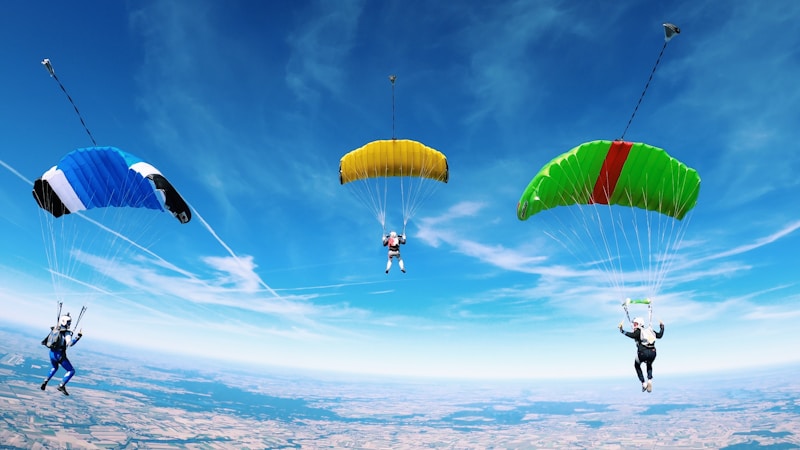
Go Skydiving
Experience the ultimate adrenaline rush by jumping from a plane.
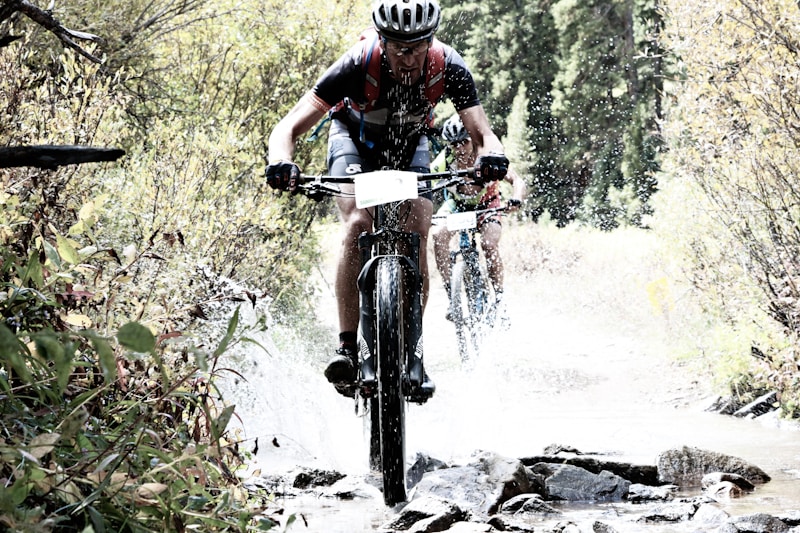
Try Downhill Mountain Biking
Race down technical trails on a full-suspension bike.

Bungee Jump
Take the leap and freefall before bouncing back.
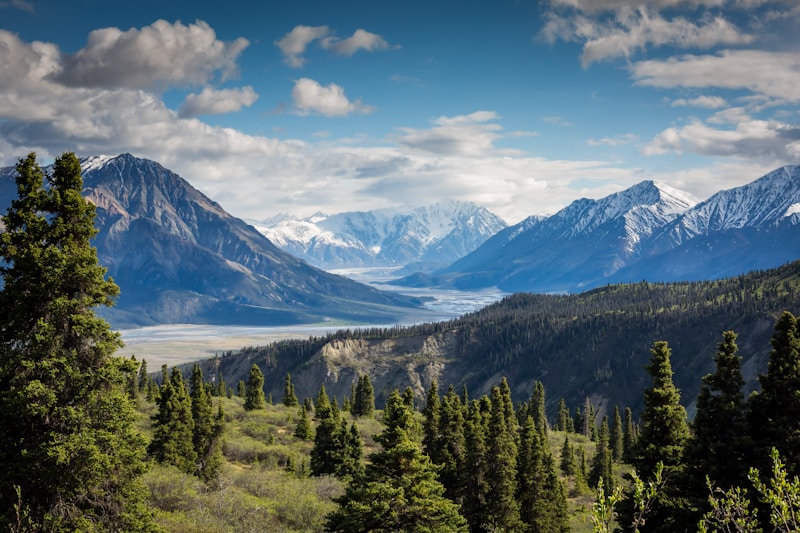
Summit a 14,000ft Peak
Stand atop a "fourteener" - a mountain over 14,000 feet.