Go Sandboarding
From $30
At a Glance
$30+
2-4 hours
Peru (Huacachina), Namibia, Dubai, Australia
Cooler months in desert regions
About This Experience
Sandboarding takes snowboarding's essential pleasure—the sensation of carving and gliding down a slope—and relocates it to landscapes where no snowboard could function. Instead of frozen mountains, you climb sand dunes that tower hundreds of feet above desert floors; instead of chairlifts, you hike up, board in hand, earning each run with effort; instead of hard-packed snow or powder, you experience the grip and slide of sand that behaves according to its own rules. The activity provides one of the most accessible adventure experiences in desert environments, requiring minimal skill development while delivering genuine thrills. The physics differ meaningfully from snow sports. Sand creates more friction than snow, which means slower speeds and less dramatic carving but also more forgiveness for beginners. Falling on sand hurts less than falling on packed snow or ice, making sandboarding more forgiving of poor technique. The boards themselves must be designed or adapted for sand—waxed bottoms provide glide, while traditional snowboard bases would grip and stick. Rental equipment at most sandboarding locations is purpose-built; attempting to use regular snowboards disappoints universally. Huacachina, Peru offers the sport's iconic experience. This desert oasis—a small lagoon surrounded by palm trees, encircled by towering sand dunes—became a sandboarding center decades ago. Tours depart from the village in dune buggies that climb and descend the sand mountains in roller-coaster fashion before depositing you at dune crests for the boarding descents. The combination of the buggy ride (terrifying and exhilarating), the board runs (progressively steeper as your confidence builds), and the sunset views across endless sand makes Huacachina a complete desert adventure. The global alternatives each offer distinct character. Namibia's dunes—some of the highest in the world, reaching over 1,000 feet—provide scale that Peruvian dunes cannot match, though the infrastructure is less developed for casual tourism. Dubai combines sandboarding with the surreal juxtaposition of desert and ultramodern city. Morocco's Erg Chebbi, near Merzouga, offers sandboarding within reach of broader Saharan exploration. Australian deserts, especially near Adelaide, provide Southern Hemisphere options. Each location shapes the experience according to dune characteristics, tourism infrastructure, and the broader travel context. The technique adapts board sports fundamentals to sand conditions. Stand-up boarding resembles snowboarding: weight centered, knees bent, steering with weight distribution between heels and toes. Sit-down boarding on sleds or boards provides an alternative for those uncomfortable standing, with speed controlled by dragging hands or feet. The sand gives clear feedback—too aggressive and you'll stop; too timid and you'll creep down without the speed that creates the sensation. A few runs typically establish the basic feel; mastery is optional for enjoyment. The experience beyond the runs contributes significantly to sandboarding's appeal. Desert landscapes provide visual drama that forest-bounded ski runs cannot match. The silence of dunes (when dune buggies aren't roaring) creates atmosphere distant from lift-line chatter. Sunset and sunrise cast shadows that reveal the dunes' sculptural forms. The heat—managed by timing activities to cooler parts of the day—adds to the elemental quality: sun, sand, wind, and your body working against gravity. The accessibility makes sandboarding suitable for almost anyone willing to hike up what they plan to slide down. Age limits are flexible; fitness requirements are modest (the hiking is the hard part); technical skills develop quickly. The consequence of failure is usually just stopping in place or rolling in soft sand. For travelers seeking adventure in desert environments, sandboarding provides one of the most efficient ways to actively engage with the landscape rather than merely observing it.
Cost Breakdown
Estimated costs can vary based on location, season, and personal choices.
Budget
Basic experience, economical choices
Mid-Range
Comfortable experience, quality choices
Luxury
Premium experience, best options
Difficulty & Requirements
Accessible for most people with basic planning.
Physical Requirements
Basic balance, ability to climb dunes
Prerequisites
- None - easier than snowboarding
Tips & Advice
Huacachina, Peru has the best dunes and costs
Wax your board for speed
Sit-down boards are easier to start
Go early morning or late afternoon to avoid heat
Bring goggles - sand gets everywhere
Related Topics
Community Discussion
Ask questions, share tips, or read experiences from others.
View Discussions Start DiscussionShare This Experience
Quick Summary
- Category Adventure
- Starting Cost $30
- Time Needed 2-4 hours
- Best Season Cooler months in desert regions
- Difficulty Moderate
Explore More
You Might Also Like
Experience a Sandstorm Safely
Witness the raw power of a desert sandstorm from safety.
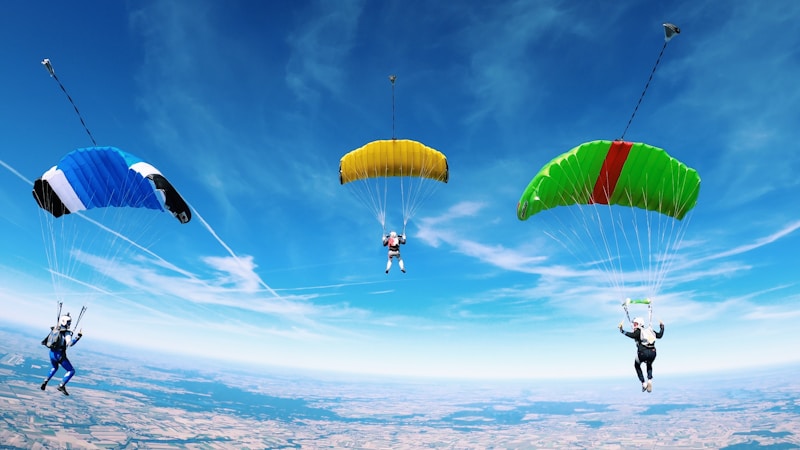
Go Skydiving
Experience the ultimate adrenaline rush by jumping from a plane.

Bungee Jump
Take the leap and freefall before bouncing back.
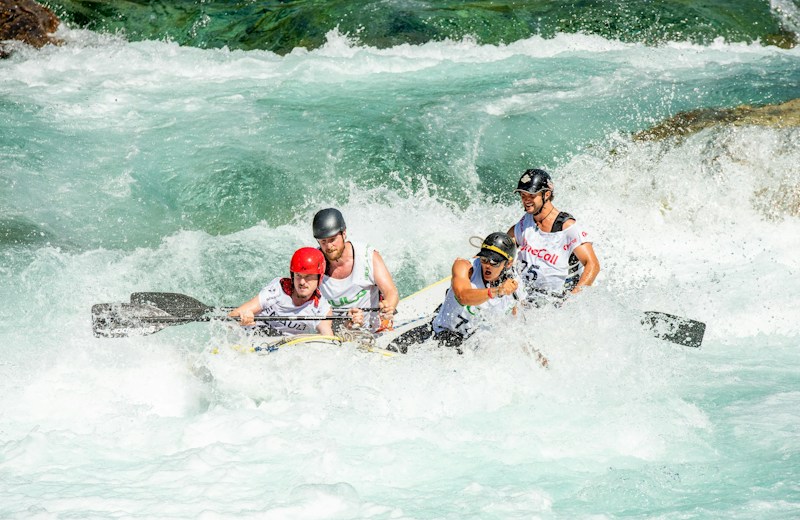
Go White Water Rafting
Navigate churning rapids on an inflatable raft.