Get Scuba Certified
From $350
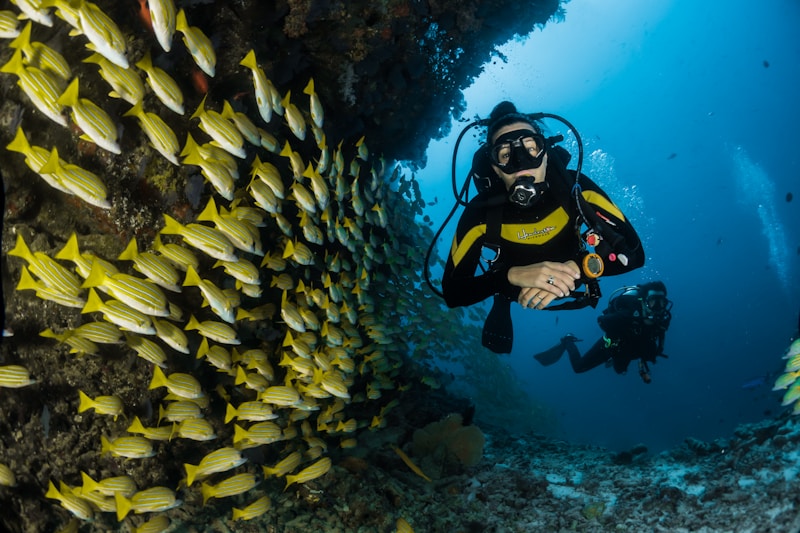
Get Scuba Certified
Unlock the underwater world with your open water certification.
At a Glance
$350+
3-5 days
Year-round (location dependent)
About This Experience
Scuba certification unlocks access to a world that covers 70% of Earth's surface yet remains invisible to most humans. The moment you descend below the surface and take that first breath from your regulator—air flowing smoothly despite being surrounded by water—marks your entry into an alien realm where the rules of movement, light, and sound all change. Fish that flee from snorkelers ignore you; coral formations reveal details impossible to see from the surface; the three-dimensional freedom of movement resembles nothing available on land. This certification transforms you from a surface-bound observer into an underwater explorer. The Open Water Diver certification, offered by PADI, SSI, NAUI, and other agencies, represents the globally recognized entry point. The course combines knowledge development (typically e-learning plus classroom sessions), confined water training (pool or pool-like conditions), and open water dives (usually four dives over two days). You'll learn the physics of diving, equipment operation, safety procedures, and the communication signals that substitute for speech underwater. The entire process can be completed in 3-4 days of intensive training or spread over several weeks of weekend sessions. The certification destination matters enormously for the experience. Learning in warm, clear tropical waters—Thailand, Honduras, Egypt, the Caribbean—provides visibility that makes skills easier to practice and rewards the effort with genuine underwater beauty. Learning in cold, murky waters requires more discomfort for less immediate payoff, though it does build skills that tropical conditions don't demand. Many aspiring divers complete their knowledge and pool training at home, then finish their open water dives during vacation in ideal conditions. The equipment initially intimidates: buoyancy compensator (BC), regulator assembly, wetsuit or drysuit, weights, mask, fins, computer or gauges—each piece requiring understanding and maintenance. Rental gear is universal at diving destinations, but many certified divers quickly purchase their own mask, fins, and computer for comfort and familiarity. The equipment has become remarkably reliable; properly maintained and operated, modern scuba gear rarely fails in ways that create emergencies. The underwater world rewards exploration with experiences unavailable elsewhere. Coral reefs teem with fish in colors that seem impossible—parrotfish, angelfish, butterflyfish in yellows, blues, and patterns that no designer would dare attempt. Larger creatures—sea turtles, rays, reef sharks—often accept your presence with apparent indifference. Shipwrecks provide historical artifacts, artificial reef ecosystems, and the haunting beauty of human construction reclaimed by the sea. Night dives reveal nocturnal creatures invisible during daylight. The variety ensures that diving never grows repetitive; there's always somewhere new, something different. The progression beyond Open Water extends diving capabilities. Advanced Open Water introduces deeper diving, navigation, and specialty skills. Rescue Diver trains you to assist other divers in difficulty. Divemaster represents the first professional level, allowing you to lead certified divers. Specialty certifications cover nitrox (oxygen-enriched air for longer dives), wreck diving, underwater photography, cave diving, and dozens of other focuses. The rabbit hole goes as deep as you want to follow it. The community aspect surprises many new divers. Diving requires buddy pairing for safety; this builds relationships quickly. Dive trips—whether day trips to local sites or liveaboard expeditions to remote destinations—create intensive shared experiences. The dive briefings, surface intervals, and post-dive discussions establish rhythms that foster connection. Many divers find their certification introduces them to a community as much as an activity. The investment—typically $300-600 for the basic certification, plus travel to worthwhile destinations—pays dividends over a lifetime of diving. Each trip adds new species to your mental catalog, new underwater landscapes to your memory, new appreciation for an environment that most humans will never experience firsthand. That card in your wallet doesn't just certify a skill; it unlocks an entire planet.
Cost Breakdown
Estimated costs can vary based on location, season, and personal choices.
Budget
Basic experience, economical choices
Mid-Range
Comfortable experience, quality choices
Luxury
Premium experience, best options
Difficulty & Requirements
Accessible for most people with basic planning.
Physical Requirements
Comfortable in water, basic swimming ability
Prerequisites
- Medical clearance if you have health conditions
- Comfort in water
Tips & Advice
PADI Open Water is the most recognized certification
Learn somewhere warm with good visibility
Thailand, Honduras, and Egypt offer affordable courses
Don't fly for 24 hours after diving
Consider adding Advanced Open Water immediately
Related Topics
Community Discussion
Ask questions, share tips, or read experiences from others.
View Discussions Start DiscussionShare This Experience
Quick Summary
- Category Adventure
- Starting Cost $350
- Time Needed 3-5 days
- Best Season Year-round (location dependent)
- Difficulty Moderate
You Might Also Like
Learn to Freedive
Dive deep on a single breath.
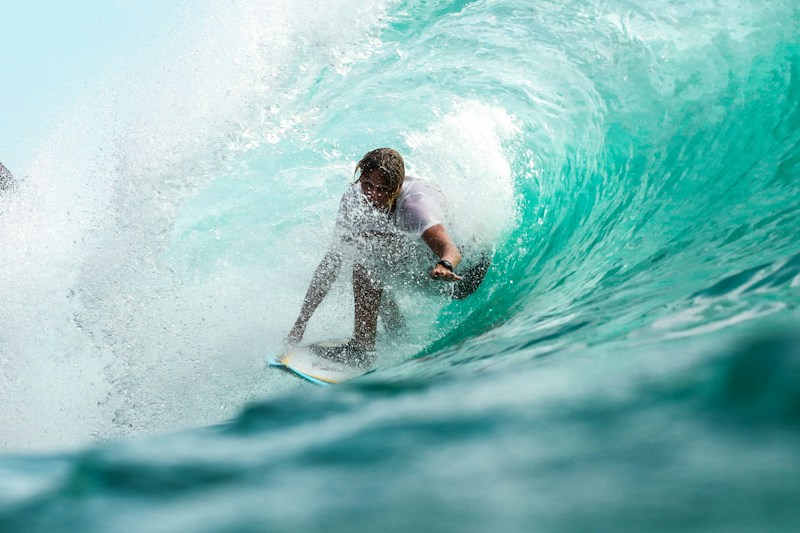
Learn to Surf
Catch your first wave and ride the ocean's energy.
Go Night Scuba Diving
Explore the underwater world after dark with a flashlight.
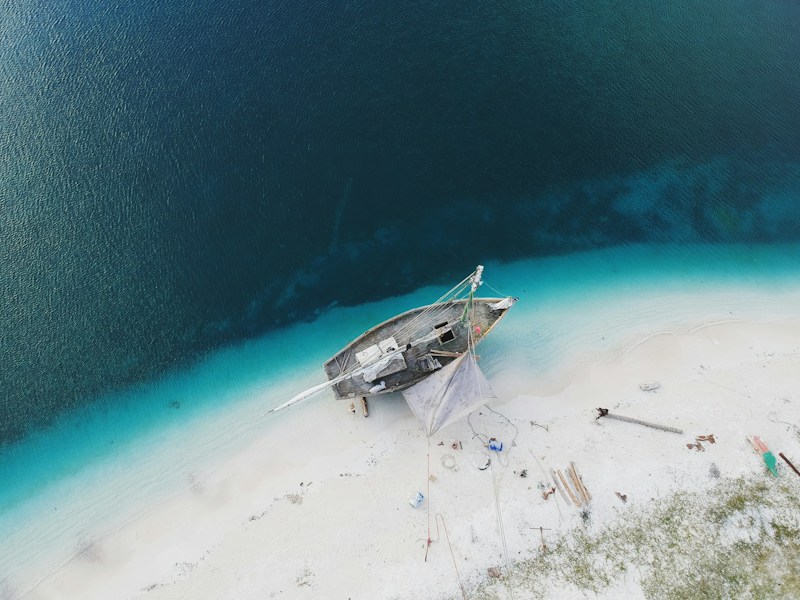
Cross an Ocean by Sailboat
Make an ocean passage under sail power.