See the Northern Lights
From $1.5k
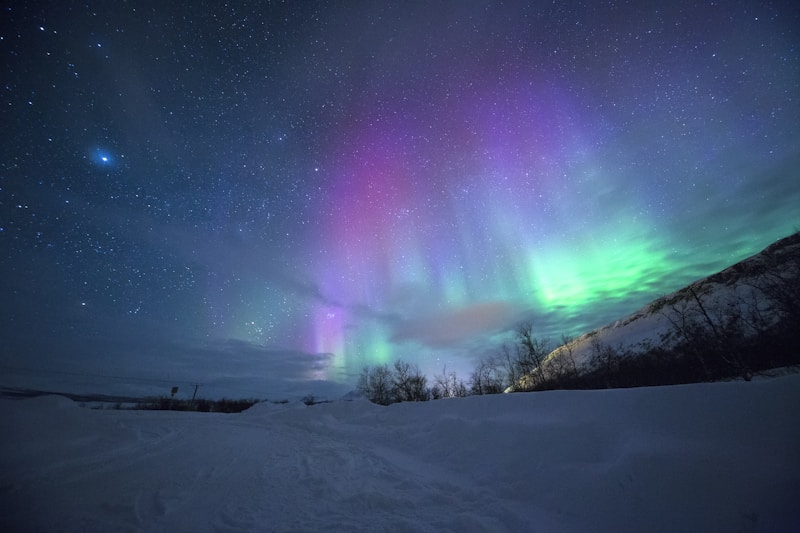
See the Northern Lights
Witness the magical aurora borealis dancing across the night sky.
At a Glance
$1.5k+
4-7 days
Norway, Iceland, Finland, Canada, Alaska
September to March
About This Experience
The Northern Lights, or Aurora Borealis, stands as one of nature's most breathtaking phenomena—a celestial light show that has captivated humanity for millennia. Ancient Norse mythology described them as the Bifrost bridge connecting Earth to Asgard, while indigenous peoples across the Arctic developed their own rich interpretations of these dancing lights. Today, witnessing this natural wonder remains one of the most transformative experiences a traveler can pursue. The science behind the aurora is as fascinating as its appearance. When charged particles from the sun—carried by solar wind—collide with gases in Earth's atmosphere, they transfer their energy to atoms of oxygen and nitrogen. As these atoms return to their normal state, they release that energy as photons of light. The distinctive green hue, most commonly seen, comes from oxygen molecules at lower altitudes, while the rarer reds, purples, and blues emerge from oxygen and nitrogen at different heights. Choosing the right destination is crucial for a successful aurora hunt. The "auroral zone" circles the Arctic between 65 and 72 degrees latitude, making northern Norway, Swedish Lapland, Finnish Lapland, Iceland, northern Canada, and Alaska prime viewing locations. Each offers distinct advantages: Norway's Tromsø provides accessible urban amenities alongside wilderness viewing spots; Finland offers glass igloos for comfortable all-night watching; Iceland combines auroras with otherworldly volcanic landscapes; and Canada's Yukon delivers some of the continent's darkest skies. Timing your trip requires understanding both the season and solar activity. The aurora season runs from late September through late March, when Arctic nights are long and dark. However, the most favorable conditions occur during the equinoxes in September-October and March-April, when Earth's magnetic field alignment increases aurora activity. Monitoring the Kp index—a measure of geomagnetic activity—helps predict aurora intensity, with higher numbers indicating stronger displays. The experience of actually witnessing the Northern Lights is difficult to convey in words. What photographs capture as static ribbons of color is, in reality, a dynamic, ever-shifting performance. The lights pulse, swirl, and dance across the sky with an ethereal grace that seems almost alive. Colors shift from pale green to vibrant emerald, sometimes exploding into curtains of purple and pink that stretch from horizon to horizon. The silence of the Arctic night amplifies the otherworldly nature of the experience—you're witnessing something that connects you to forces far beyond our small planet. Preparation is key for comfortable viewing. Arctic nights are brutally cold, often dropping to minus 20°C or lower. Layering is essential: moisture-wicking base layers, insulating mid-layers, and windproof outer shells form your defense against the elements. Don't forget insulated boots, hand warmers, and a thermos of hot drinks. Many visitors underestimate how long they'll spend outside waiting—the aurora operates on its own schedule, and patience is rewarded. Photography adds another dimension to the experience, though it requires preparation. A sturdy tripod is essential, as exposure times of 10-30 seconds are typical. Wide-angle lenses capture the aurora's full grandeur, and manual focus set to infinity ensures sharp images. Learning your camera settings before the cold numbs your fingers will save frustration. Some argue, though, that obsessing over photos distracts from the raw experience—sometimes the best approach is to simply stand in awe. The psychological impact of witnessing the Northern Lights often surprises people. Many describe a profound sense of humility, a reminder of our place in the cosmos. The experience frequently appears on lists of moments that changed people's perspectives on life. There's something about standing in the frozen darkness, watching the sky come alive with impossible colors, that recalibrates one's sense of what matters. Beyond the aurora itself, these journeys offer immersion in some of Earth's last wilderness areas. Dog sledding across frozen lakes, meeting indigenous Sami reindeer herders, soaking in geothermal hot springs under the stars—these experiences complement and enrich the aurora hunt. The Arctic winter, far from being an obstacle to endure, becomes a destination in itself. For many, the Northern Lights represent the ultimate natural phenomenon to witness—unpredictable, spectacular, and deeply moving. Unlike landmarks that can be photographed and scheduled, the aurora demands patience, planning, and a willingness to embrace uncertainty. When the lights finally appear, dancing across the Arctic sky in silent splendor, every moment of cold and waiting becomes worthwhile. This is nature at its most magical, a reminder that our planet still holds wonders that can leave us speechless.
Cost Breakdown
Estimated costs can vary based on location, season, and personal choices.
Budget
Basic experience, economical choices
Mid-Range
Comfortable experience, quality choices
Luxury
Premium experience, best options
Difficulty & Requirements
Accessible for most people with basic planning.
Physical Requirements
Ability to withstand cold temperatures (-20°C possible)
Prerequisites
- Warm winter clothing
- Patience - sightings not guaranteed
Tips & Advice
Book accommodations with aurora alerts
Get away from city lights
Check solar activity forecasts
Bring a tripod for photos
The best viewing is between 10pm-2am
Related Topics
Community Discussion
Ask questions, share tips, or read experiences from others.
View Discussions Start DiscussionShare This Experience
Quick Summary
- Category Travel
- Starting Cost $1.5k
- Time Needed 4-7 days
- Best Season September to March
- Difficulty Moderate
Explore More
You Might Also Like
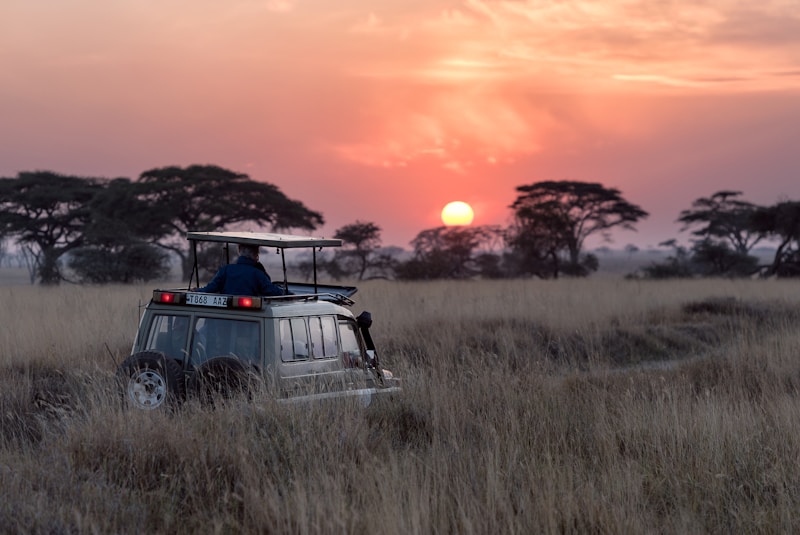
Go on an African Safari
Witness the Big Five and the great migration in their natural habitat.
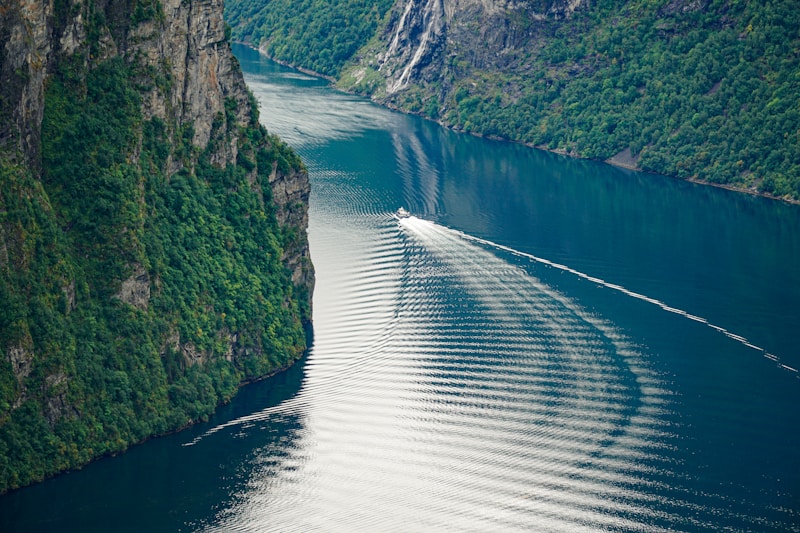
Cruise the Norwegian Fjords
Sail through dramatic cliff-lined waterways carved by glaciers.
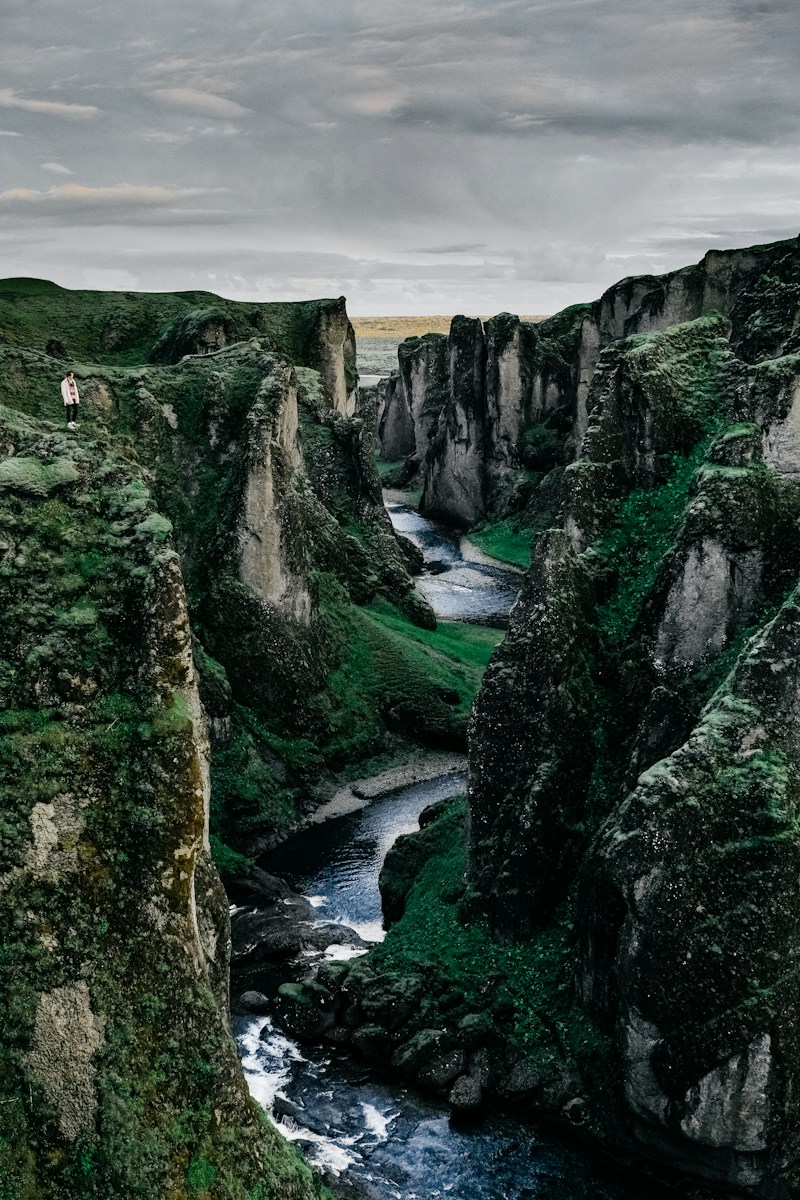
Drive Iceland's Ring Road
Circle the entire island through otherworldly volcanic landscapes.
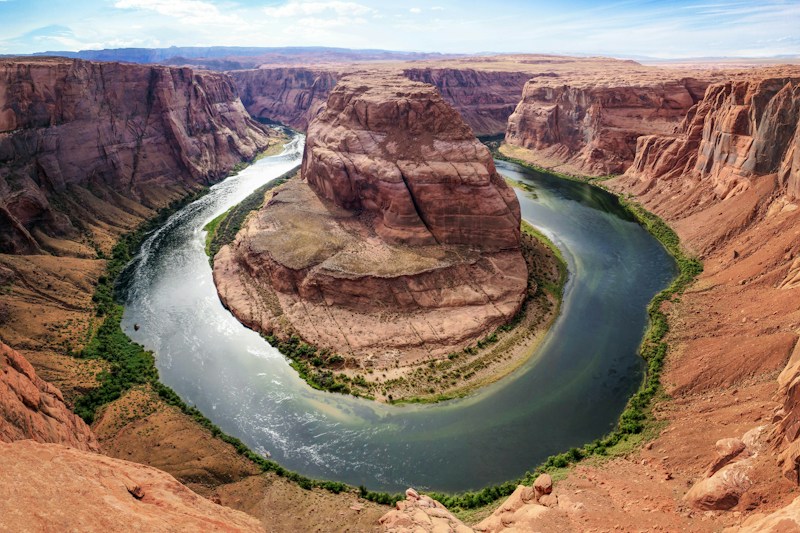
Stand at the Grand Canyon
Marvel at one of Earth's most awe-inspiring natural wonders.