Ride the Trans-Siberian Railway
From $2.0k
Ride the Trans-Siberian Railway
Travel the world's longest railway through the heart of Russia.
At a Glance
$2.0k+
2-4 weeks
Russia
May-September or winter for snow
About This Experience
The Trans-Siberian Railway stretches 9,289 kilometers from Moscow to Vladivostok, crossing seven time zones and a third of the planet's circumference in the longest continuous train journey on Earth. This is not a scenic railroad like the Swiss Alps or the Rocky Mountains—long stretches pass through endless birch forest that seems to repeat for hours without variation. But the Trans-Siberian offers something rarer: an epic journey that reveals a vast country from the intimate perspective of a train compartment, where the passage of time and distance becomes tangible as day follows day and the landscape slowly, almost imperceptibly, transforms. The classic route from Moscow to Vladivostok takes approximately six days without stops—but stopping is the point. Breaking the journey allows exploration of cities that most Western travelers never visit: Yekaterinburg, where the Romanov family met their end; Irkutsk, the "Paris of Siberia" that preserves ornate wooden architecture from its days as a trading center; Ulan-Ude, where Buryat Buddhist culture colors an otherwise Soviet city. Each stop adds days but rewards with depth that continuous travel cannot provide. Lake Baikal, which the railway skirts for several hours along its southern shore, represents the journey's scenic climax. This ancient lake contains one-fifth of the world's unfrozen surface freshwater, reaching depths of 1,642 meters and harboring species found nowhere else, including the nerpa, the world's only freshwater seal. The town of Listvyanka provides a base for exploring the lake, while the Circum-Baikal Railway—a branch line following the original track along dramatic cliffsides—offers some of Russia's most spectacular rail scenery. Alternative routes expand the Trans-Siberian concept. The Trans-Mongolian branches south from the main line at Ulan-Ude, crossing into Mongolia and continuing through the Gobi Desert to Beijing—a journey that transitions from Russian to Mongolian to Chinese culture within a single ticket. The Trans-Manchurian takes a more direct route from Chita through northeastern China. Either variant extends the journey into genuinely different worlds. Life aboard the train establishes its own rhythms. The provodnitsas (car attendants) maintain the carriages and enforce regulations with formidable authority. The samovar at the end of each car provides hot water for the instant noodles, tea, and coffee that supplement provisions purchased at platform stops. These station stops—sometimes five minutes, sometimes thirty—create their own ritual: vendors selling smoked fish, pierogies, and ice cream; passengers stretching legs on platforms; the conductor's whistle that triggers a rush back to boarding. The accommodation options reflect different philosophies of travel. First class (spalny vagon) offers private two-berth compartments with relative luxury but isolation from Russian life. Second class (kupe) puts you in a four-berth compartment, almost certainly sharing with strangers, creating opportunities for connection that define the journey for many travelers. Third class (platskartny) consists of open carriages with bunks—no privacy, but authentic immersion in Russian working-class travel culture and considerably lower prices. The social dynamics of a Trans-Siberian journey depend largely on one's compartment-mates. Stories abound of strangers becoming friends over shared meals and vodka, of halting conversations that transcend language barriers, of genuine human connection forged through days of enforced proximity. Equally possible are uncomfortable silences, disagreements over open windows, or simply traveling with people who prefer to be left alone. Flexibility and openness maximize chances of meaningful encounters. The seasonal variations are significant. Summer brings longer days and the opportunity for stops that include hiking and swimming in Lake Baikal. Winter transforms the landscape into frozen white, Lake Baikal becomes a solid plain that locals drive across, and the experience carries the particular romance of crossing Siberia while snow blankets the endless forest. Shoulder seasons offer fewer crowds and transitional beauty. Russia's visa requirements, the challenges of booking from abroad, and the sheer logistical complexity of multi-stop journeys across a country so vast and bureaucratic can be daunting. Specialized travel agencies exist specifically to arrange Trans-Siberian journeys, handling visas, tickets, and accommodations at stops. Independent arrangement is possible but requires patience and willingness to navigate Russian-language websites and railway offices. The Trans-Siberian appeals to a specific traveler—one for whom the journey is not merely a means to reach a destination but a destination in itself, who finds meditation in watching birch forests slide past hour after hour, who seeks connection through the shared experience of slow travel, who can embrace discomfort and uncertainty as part of the adventure. Not everyone thrives in these conditions. Those who do often describe the Trans-Siberian as transformative. The journey changes as Russia changes. The railway that Soviet propaganda celebrated as a triumph of Communist engineering now carries both Russian citizens and foreign tourists through a country grappling with its identity between East and West. The stations that once featured revolutionary monuments now often include McDonald's and mobile phone shops. But the essential experience—crossing a vast landmass by rail, watching time zones accumulate, connecting with strangers in the peculiar intimacy of train travel—remains available to those who seek it.
Cost Breakdown
Estimated costs can vary based on location, season, and personal choices.
Budget
Basic experience, economical choices
Mid-Range
Comfortable experience, quality choices
Luxury
Premium experience, best options
Difficulty & Requirements
Requires some preparation, skills, or resources.
Physical Requirements
Tolerance for long train journeys
Prerequisites
- Russian visa
- Multiple stop permits if breaking journey
Tips & Advice
Break the journey with stops - Irkutsk, Ulan-Ude, Yekaterinburg
Bring food for the journey
Learn basic Russian phrases
Consider Trans-Mongolian or Trans-Manchurian routes
Second class (kupe) offers the best experience
Related Topics
Community Discussion
Ask questions, share tips, or read experiences from others.
View Discussions Start DiscussionShare This Experience
Quick Summary
- Category Travel
- Starting Cost $2.0k
- Time Needed 2-4 weeks
- Best Season May-September or winter for snow
- Difficulty Challenging
You Might Also Like
Go on an African Safari
Witness the Big Five and the great migration in their natural habitat.
Drive Iceland's Ring Road
Circle the entire island through otherworldly volcanic landscapes.
Trek Through Patagonia
Explore the wild, windswept landscapes at the end of the world.
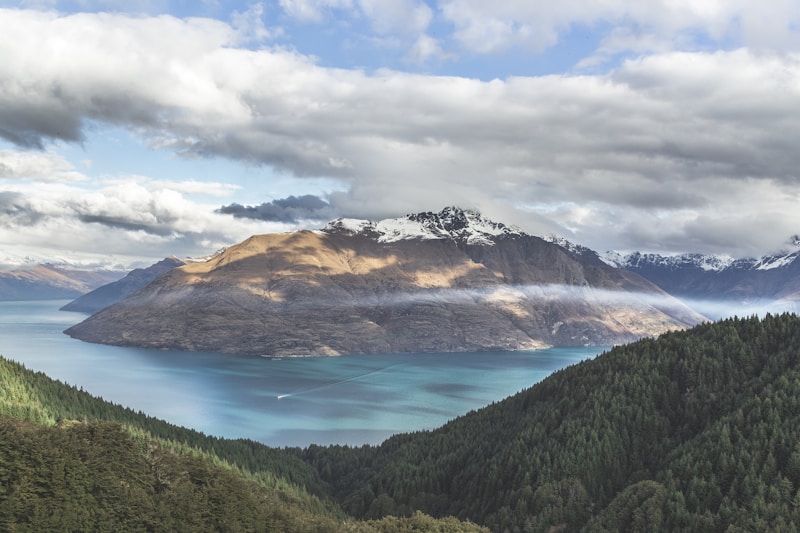
Road Trip New Zealand
Drive through Middle-earth's stunning mountains, fjords, and rolling hills.