Set Foot on Antarctica
From $8.0k
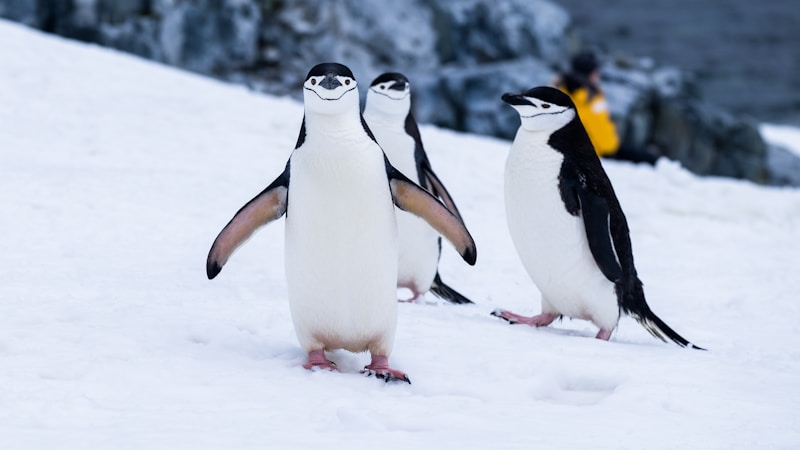
Set Foot on Antarctica
Reach the last frontier - the frozen continent at the bottom of the world.
At a Glance
$8.0k+
10-21 days
Antarctica
November to March
About This Experience
Antarctica exists beyond the reaches of ordinary travel—a continent without permanent human population, governed by international treaty rather than any nation, its coastline defended by the roughest seas on Earth, its interior containing cold that kills exposed flesh in minutes. Reaching it requires commitment, expense, and willingness to submit to conditions that ships and expedition leaders cannot fully control. The reward is access to the planet's last true wilderness: landscapes of ice in forms that exist nowhere else, wildlife that has never learned to fear humans, and the humbling perspective that comes from standing on a continent that will exist essentially unchanged long after human civilization has run its course. Most visitors reach Antarctica by expedition ship from Ushuaia, Argentina, the world's southernmost city, though departures also operate from Punta Arenas, Chile, and occasionally from New Zealand or Australia for eastern Antarctic destinations. The crossing of the Drake Passage—the body of water between South America and the Antarctic Peninsula—can be notorious or benign depending on conditions. The "Drake Shake" produces swells that send even seasoned sailors to their cabins; the "Drake Lake" provides calm waters that seem like a reprieve. Either way, the crossing takes approximately two days, during which expedition staff prepare passengers with lectures on wildlife, history, and environmental protocols. The Antarctic Peninsula, the continent's northernmost reach, hosts most tourist landings. Zodiac boats (rigid inflatable boats) ferry passengers from ship to shore, where strict protocols govern behavior—stay on designated paths, maintain required distances from wildlife, remove everything brought ashore, and leave nothing behind. The reward for following these rules is access to landscapes that seem designed for maximum visual impact: glaciers calving into the sea, icebergs in shades from white to blue to crystalline transparency, mountain peaks rising directly from the water, and silence broken only by wind, waves, and the calls of millions of seabirds. The wildlife concentrates in densities that defy expectations. Penguin colonies may contain tens of thousands of individuals, their cacophony audible from offshore, their behavior ranging from comical waddling to determined territorial defense to the constant shuttling between sea and nest that chick-rearing demands. Species include chinstrap, Adélie, and gentoo penguins depending on location and season, with the larger king and emperor penguins found at specific sites that some expeditions target. Seals—leopard, Weddell, crabeater, and elephant—haul out on ice floes and beaches, some curious about human visitors, others entirely indifferent. Whales—humpback, minke, orca, and occasionally others—surface near ships and zodiacs, their size and proximity producing the awe that no aquarium can replicate. The expedition experience varies significantly by ship and operator. Small ships (under 200 passengers) provide more landing opportunities, more time ashore, and more intimate experiences; the largest ships visiting Antarctic waters cannot make landings at all, offering only scenic cruising. The expedition staff—naturalists, historians, photographers, kayak guides—determine the educational and adventure quality of the voyage. Research beforehand helps identify operators whose values and approaches match your expectations. The additional activities available on some expeditions include kayaking among icebergs, camping on the ice overnight, snowshoeing, mountaineering, and polar plunges—the brief, breathtaking immersion in Antarctic waters that has become a rite of passage. The plunge lasts seconds, the memory lasts forever, and the bragging rights are legitimate. The environmental stakes deserve acknowledgment. Antarctica is governed by the Antarctic Treaty System, which designates the continent for peace and science, prohibiting military activity and mineral extraction. Tourism operates under strict IAATO (International Association of Antarctica Tour Operators) guidelines designed to minimize human impact on an ecosystem that has evolved without human presence. Climate change threatens Antarctic ice sheets whose melting would raise global sea levels by meters; visiting raises awareness but also questions about the carbon footprint of reaching such a remote destination. The practical considerations include the significant expense (typically $8,000-15,000 for basic expeditions, considerably more for luxury or specialty trips), the physical demands (zodiac boarding requires mobility, though operators accommodate various ability levels), the time commitment (10 days minimum, often two weeks), and the uncertainty inherent in expedition travel (weather determines landing possibilities, not schedules or preferences). Travel insurance with emergency evacuation coverage is essential; the nearest hospital is very far away. Antarctica delivers experiences that no other destination can match—not adventure tourism marketed as extraordinary, but genuine encounter with a wilderness that remains wild. Standing on the seventh continent, watching penguins ignore you while icebergs drift past, you understand why those who visit often describe it as life-changing.
Cost Breakdown
Estimated costs can vary based on location, season, and personal choices.
Budget
Basic experience, economical choices
Mid-Range
Comfortable experience, quality choices
Luxury
Premium experience, best options
Difficulty & Requirements
Requires some preparation, skills, or resources.
Physical Requirements
Ability to board zodiacs, handle rough seas
Prerequisites
- Book 6-12 months ahead
- Travel insurance with evacuation coverage
Tips & Advice
Drake Passage can be rough - bring seasickness meds
Smaller ships offer more landing opportunities
Layer clothing for extreme cold
Kayaking excursions are unforgettable
The polar plunge is a rite of passage
Community Discussion
Ask questions, share tips, or read experiences from others.
View Discussions Start DiscussionShare This Experience
Quick Summary
- Category Travel
- Starting Cost $8.0k
- Time Needed 10-21 days
- Best Season November to March
- Difficulty Challenging
You Might Also Like
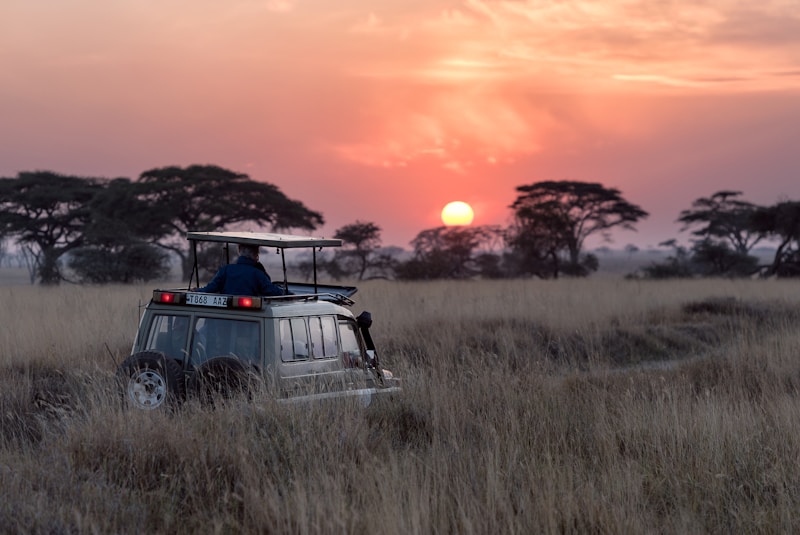
Go on an African Safari
Witness the Big Five and the great migration in their natural habitat.
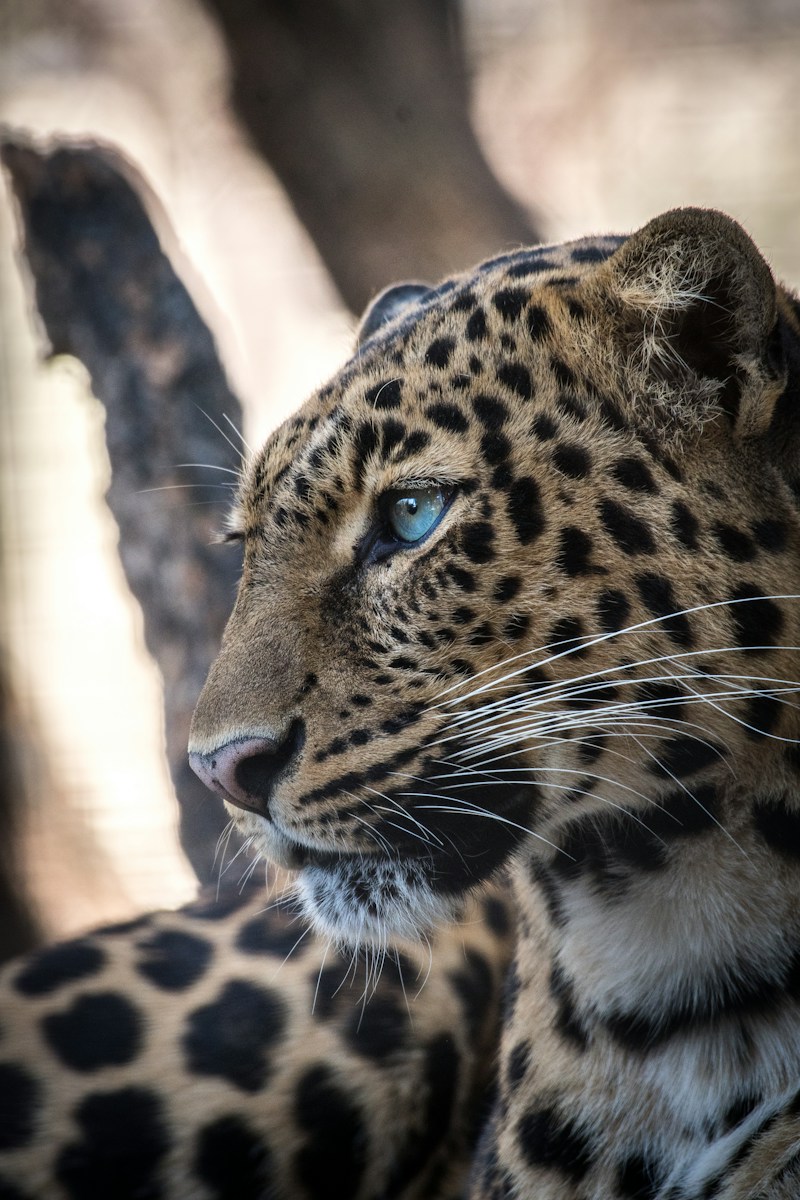
Cruise the Galápagos Islands
Walk among fearless wildlife that inspired Darwin's theory of evolution.
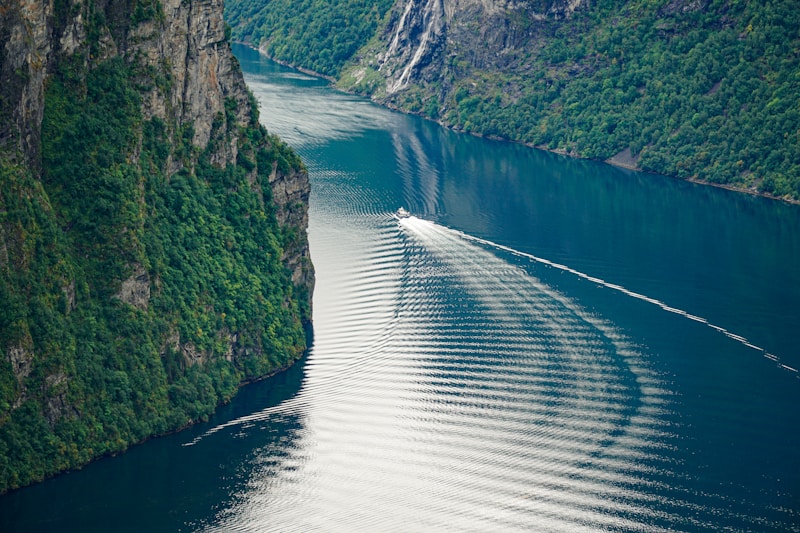
Cruise the Norwegian Fjords
Sail through dramatic cliff-lined waterways carved by glaciers.
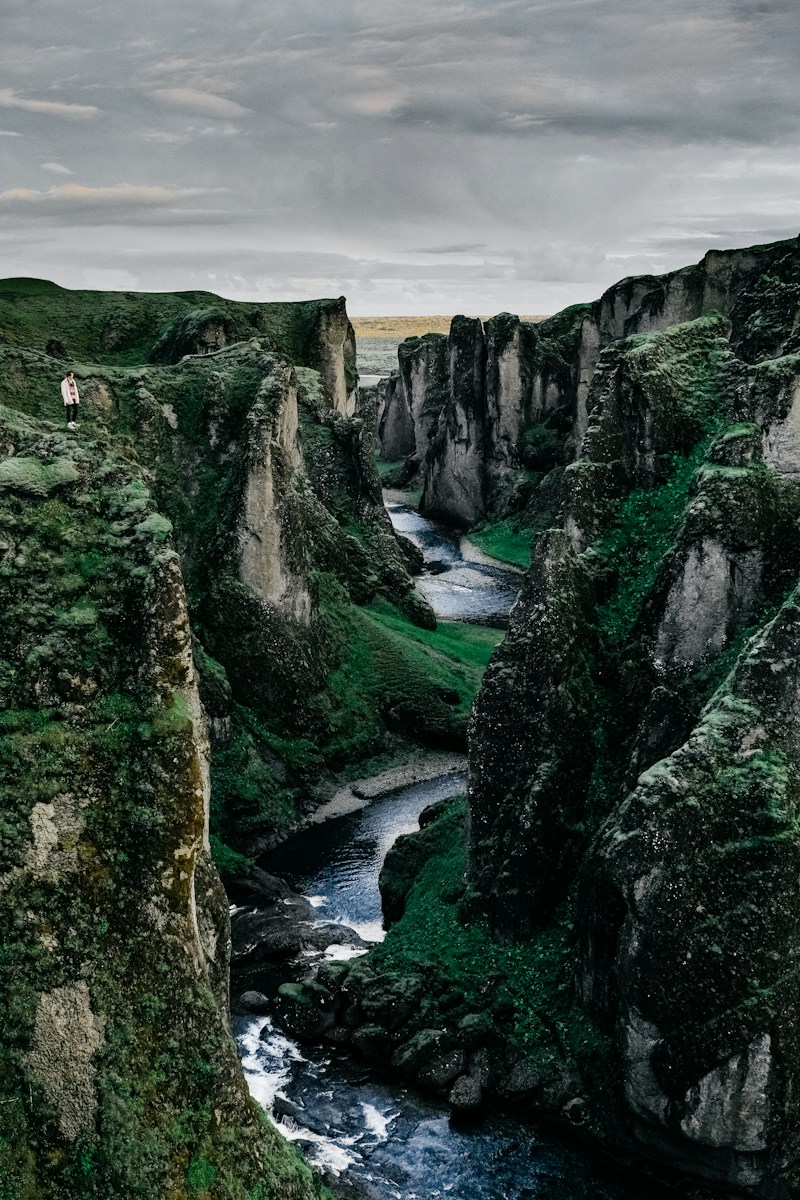
Drive Iceland's Ring Road
Circle the entire island through otherworldly volcanic landscapes.