Explore the Canadian Rockies
From $1.5k
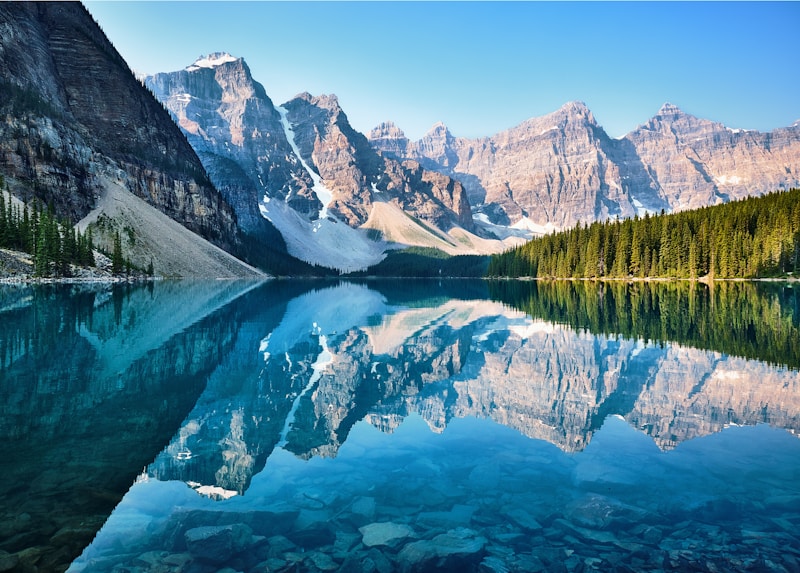
Explore the Canadian Rockies
Discover turquoise lakes, massive glaciers, and towering peaks.
At a Glance
$1.5k+
7-14 days
Alberta/British Columbia, Canada
June-September for hiking, December-March for skiing
About This Experience
The Canadian Rockies rise from the Alberta plains in a wall of limestone peaks, their lakes filled with water so impossibly turquoise that first-time visitors suspect the photographs were manipulated. They weren't. The color comes from glacial rock flour—particles ground so fine by ice that they remain suspended, scattering light to produce blues and greens that seem artificial against the dark evergreen forests and grey mountain faces. Banff and Jasper national parks protect the most accessible portions of this mountain wilderness, while the Icefields Parkway connecting them provides what many consider the world's most scenic drive. Lake Louise anchors many visitors' Canadian Rockies experience. Victoria Glacier feeds the lake, its ice visible at the far end, while the Fairmont Chateau Lake Louise (one of Canada's grand railway hotels, built to attract tourists when the transcontinental railroad opened the west) provides the famous foreground for photographs taken since the late 1800s. The lake's color peaks in late June through early August, when maximum glacial melt coincides with maximum daylight. Canoes available for rental allow exploring the lake's cold, clear waters with the Continental Divide providing the backdrop. Moraine Lake, in the Valley of the Ten Peaks, may be even more spectacular—the viewpoint above the lake appearing on Canadian currency and inspiring countless photographs. The ten peaks rise in a semicircle around the turquoise waters, their reflection creating compositions so perfect they seem designed. The lake's popularity means parking fills by 6 or 7 AM during summer months; shuttle buses now provide the only access during peak hours, a management strategy that preserves the experience for those who arrive. The Icefields Parkway stretches 230 kilometers between Lake Louise and Jasper, climbing through passes and valleys surrounded by more than 100 glaciers. Every kilometer reveals new views—Bow Lake, Peyto Lake (with its distinctive shape and brilliant color), the Columbia Icefield where visitors can walk on ancient ice, Sunwapta Falls, and Athabasca Falls. The drive requires a full day to appreciate, with numerous stops and potential hikes extending over multiple days. Few roads on Earth offer this concentration of mountain scenery. The Columbia Icefield, straddling the Continental Divide, feeds rivers flowing to three oceans—the Pacific, Atlantic, and Arctic. Visitors can take specially designed Ice Explorer vehicles onto the Athabasca Glacier, walking on ice that fell as snow centuries ago. The glacier's retreat is visible in marked positions from previous decades, a climate change lesson written in the landscape. The newer Glacier Skywalk extends over a cliff face, providing perspectives on both the glacier and the valley below. The hiking trails accommodate all abilities, from wheelchair-accessible lakeshore paths to multi-day backcountry routes requiring permits and bear canisters. The Lake Agnes Teahouse hike from Lake Louise climbs to a historic teahouse (still serving refreshments to hikers who've earned them) with lake and mountain views at every switchback. The Plain of Six Glaciers trail continues from the same starting point to a different teahouse and closer glacier views. Jasper's trails tend toward less crowded wilderness, with the Skyline Trail providing a multi-day high-alpine traverse. Wildlife viewing adds dimension beyond scenery. Black bears and grizzly bears are common enough that sightings stop traffic regularly along roadsides and trails. Elk graze through Banff townsite and the Jasper area. Bighorn sheep pose on rocky outcrops. Moose appear in marshy areas, and mountain goats balance on improbable slopes. The concentrations of large mammals rival many African destinations, though the viewing requires more patience and occurs against very different backdrops. The towns of Banff and Jasper provide bases for exploration. Banff offers more services, more options, and more crowds—a proper tourist town with hotels, restaurants, and shopping occupying historic buildings and newer developments alike. Jasper maintains a quieter character, its smaller scale feeling more appropriate to the wilderness surrounding it. Both provide essential services without dominating the national park experience. The seasons transform the experience entirely. Summer brings maximum accessibility, the warmest temperatures (still cool by most standards), and the fullest lakes and waterfalls. Fall adds golden larches to the color palette and elk bugling to the soundscape. Winter transforms the region into a ski destination, with Lake Louise, Sunshine Village, and Marmot Basin providing thousands of acres of skiable terrain. Spring brings wildlife emerging from hibernation and waterfalls at peak flow from snowmelt. The Canadian Rockies deliver mountain scenery at a scale and accessibility that few places can match. The infrastructure developed over a century of tourism allows experiencing genuine wilderness without wilderness skills, though backcountry opportunities satisfy those seeking more remote encounters. The turquoise lakes that draw most visitors are real—no filters required.
Cost Breakdown
Estimated costs can vary based on location, season, and personal choices.
Budget
Basic experience, economical choices
Mid-Range
Comfortable experience, quality choices
Luxury
Premium experience, best options
Difficulty & Requirements
Accessible for most people with basic planning.
Physical Requirements
Varies based on activities
Prerequisites
- Parks Canada pass
Tips & Advice
Lake Louise and Moraine Lake are iconic but crowded
Drive the Icefields Parkway between parks
Book Lake Louise canoe rental in advance
Take the Lake Agnes Tea House hike
Wildlife is abundant - keep bear safety in mind
Community Discussion
Ask questions, share tips, or read experiences from others.
View Discussions Start DiscussionShare This Experience
Quick Summary
- Category Travel
- Starting Cost $1.5k
- Time Needed 7-14 days
- Best Season June-September for hiking, December-March for skiing
- Difficulty Moderate
You Might Also Like
Trek Through Patagonia
Explore the wild, windswept landscapes at the end of the world.
Visit Machu Picchu
Explore the ancient Incan citadel perched high in the Andes Mountains.
Stand at the Grand Canyon
Marvel at one of Earth's most awe-inspiring natural wonders.
Road Trip New Zealand
Drive through Middle-earth's stunning mountains, fjords, and rolling hills.