Temple-Hop Through Kyoto
From $1.5k
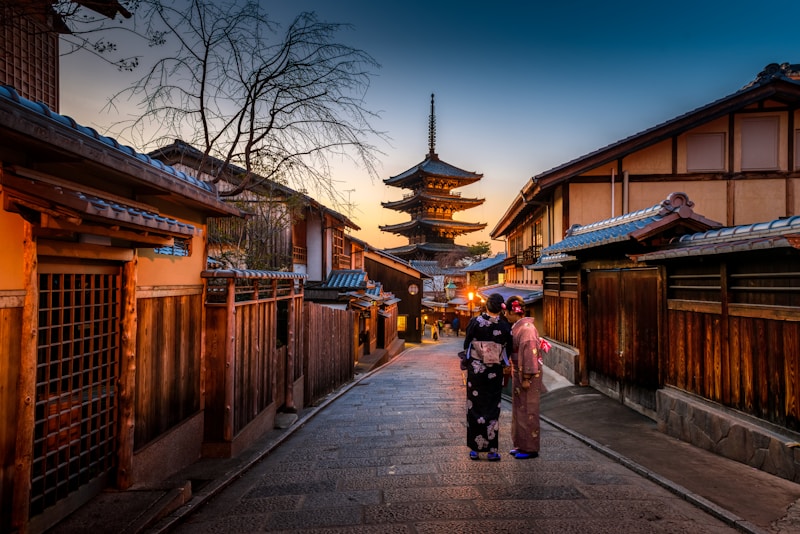
Temple-Hop Through Kyoto
Discover Japan's spiritual heart among thousands of shrines and temples.
At a Glance
$1.5k+
4-7 days
Japan
March-May (cherry blossoms) or November (fall colors)
About This Experience
Kyoto served as Japan's imperial capital for over a thousand years, from 794 until the Meiji Restoration moved the court to Tokyo in 1868. That millennium of continuous cultural development left behind over 2,000 temples and shrines, intact geisha districts, traditional wooden architecture, and the aesthetic sensibility that defines what the world considers "Japanese." While Tokyo represents Japan's future, Kyoto preserves its soul—and experiencing this city properly requires slowing down to the pace that created its beauty. The temple wealth staggers comprehension. Kinkaku-ji (Golden Pavilion), its top two floors sheathed in gold leaf, reflects in the pond before it with an effect that centuries of reproduction have failed to diminish. Ginkaku-ji (Silver Pavilion), never actually covered in silver, offers contemplative gardens of raked sand and carefully placed stones. Ryoan-ji's rock garden—fifteen stones arranged on raked gravel, no more, no less—has prompted infinite interpretation since its creation around 1500. Fushimi Inari Taisha's thousands of vermillion torii gates march up the mountainside, creating tunnels of red that have become Japan's most photographed religious site. The geisha districts preserve traditions that most of Japan has abandoned. Gion, the most famous, offers evening glimpses of geiko (as Kyoto's geisha are called) and maiko (apprentices) rushing between engagements, their white-painted faces and elaborate kimono appearing briefly before disappearing into the teahouses where they entertain. Pontocho's narrow lane of restaurants and bars runs parallel to the Kamogawa River, its lantern-lit intimacy representing Kyoto nightlife at its most atmospheric. These districts function as living museums, though the geisha themselves are working entertainers, not exhibits. The seasonal rhythms shape the Kyoto experience profoundly. Cherry blossom season (late March to early April) transforms the city into a celebration of transience, with crowds gathering beneath the pink canopies for hanami (flower viewing) picnics. Autumn foliage (mid-November to early December) creates equally spectacular displays, the maple leaves turning scarlet against temple walls and garden ponds. Summer brings the Gion Matsuri festival, one of Japan's largest and oldest, its massive floats parading through downtown. Winter offers frost-covered gardens and hot sake, the crowds diminished and the city's character more accessible. The traditional accommodation options represent essential experiences. Ryokan (traditional inns) offer tatami-floored rooms, futon bedding, kaiseki multi-course dinners, and often onsen (hot spring baths). The ritual of ryokan hospitality—the greeting, the tea service, the elaborate meal—provides cultural immersion that hotels cannot match. Temple lodging (shukubo) allows overnight stays at Buddhist temples, sometimes including participation in morning prayers and meditation. These options cost more than business hotels but provide experiences inseparable from understanding Kyoto. The food culture extends beyond kaiseki formality to encompass approachable pleasures. Nishiki Market, the "Kitchen of Kyoto," stretches several blocks with vendors selling pickles, tofu, knives, and countless snacks. Kyoto's tofu traditions produce preparations unavailable elsewhere. Matcha (powdered green tea) originated here, and the tea ceremony continues in schools and teahouses throughout the city. Street food, though less prevalent than in Osaka, offers yudofu (simmered tofu), yatsuhashi (cinnamon-flavored sweets), and seasonal specialties. The gardens deserve separate attention from the temples they often accompany. Japanese garden design reached its highest expression in Kyoto, with dry gardens (karesansui), stroll gardens, and tea gardens each representing distinct philosophical approaches to arranged nature. The Moss Garden at Saihō-ji requires written application weeks in advance but rewards with carpets of over 120 moss varieties. The gardens of Shugaku-in Imperial Villa, also requiring advance reservation, demonstrate garden design at the scale of entire hillsides. The practical challenges include crowds that concentrate heavily at famous sites during peak seasons and times. The solution lies in early mornings, late afternoons, and willingness to explore beyond the top-ten temples. Arashiyama's bamboo grove, mobbed midday, achieves magic at dawn. Philosophers' Path, lovely during cherry season crowds, offers quiet autumn walks. The districts of Higashiyama, northwestern Kyoto, and southern Kyoto each contain temples and experiences less trafficked than the greatest hits. Kyoto's preservation resulted partly from its wartime fate. American Secretary of War Henry Stimson, who had visited Kyoto as a young man, removed it from the atomic bomb target list, sparing the city that held Japan's cultural treasures. Whether this story is entirely accurate or somewhat mythologized, the result was preservation of a city that fire, earthquake, and modernization had largely failed to destroy. Today's visitors inherit this preservation—the responsibility to appreciate what centuries created and circumstance preserved.
Cost Breakdown
Estimated costs can vary based on location, season, and personal choices.
Budget
Basic experience, economical choices
Mid-Range
Comfortable experience, quality choices
Luxury
Premium experience, best options
Difficulty & Requirements
Perfect for beginners. Minimal preparation needed.
Physical Requirements
Lots of walking
Tips & Advice
Visit Fushimi Inari at dawn to avoid crowds
Stay in a traditional ryokan
The bamboo grove is best early morning
Rent a bicycle for eastern Kyoto
Book a private tea ceremony
Community Discussion
Ask questions, share tips, or read experiences from others.
View Discussions Start DiscussionShare This Experience
Quick Summary
- Category Travel
- Starting Cost $1.5k
- Time Needed 4-7 days
- Best Season March-May (cherry blossoms) or November (fall colors)
- Difficulty Easy
Explore More
You Might Also Like

Explore Angkor Wat
Discover the ancient temples of the Khmer Empire in the Cambodian jungle.
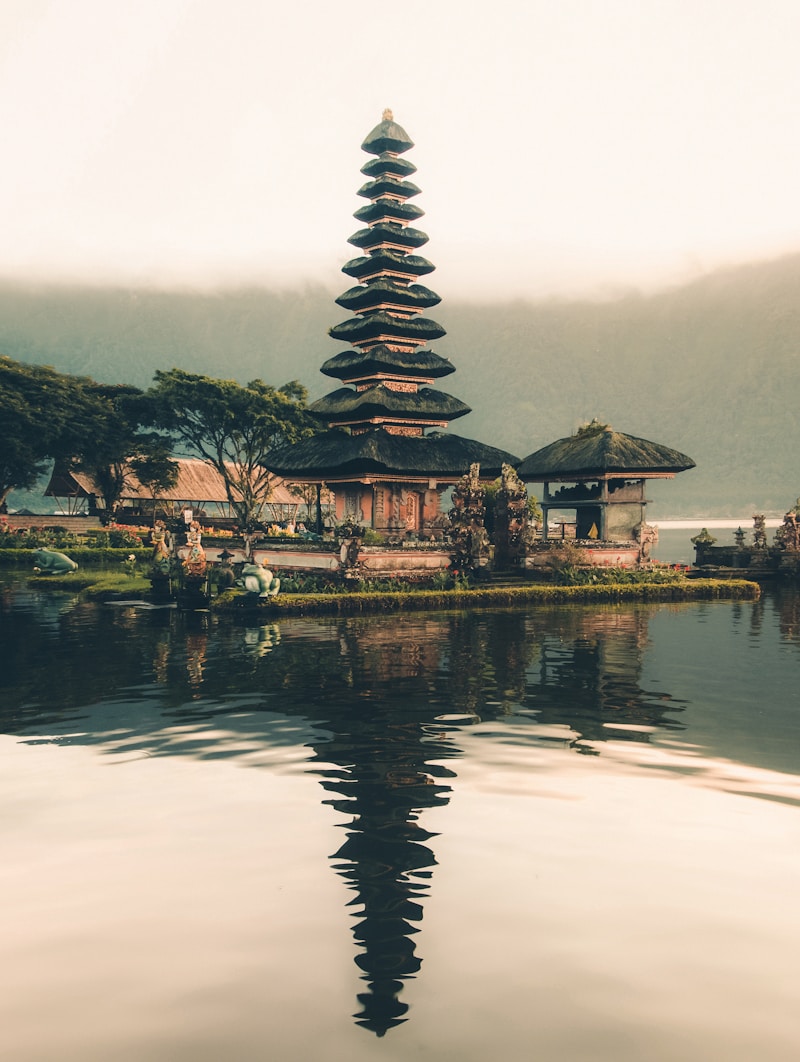
Experience Bali
Find your bliss among temples, rice terraces, and pristine beaches.
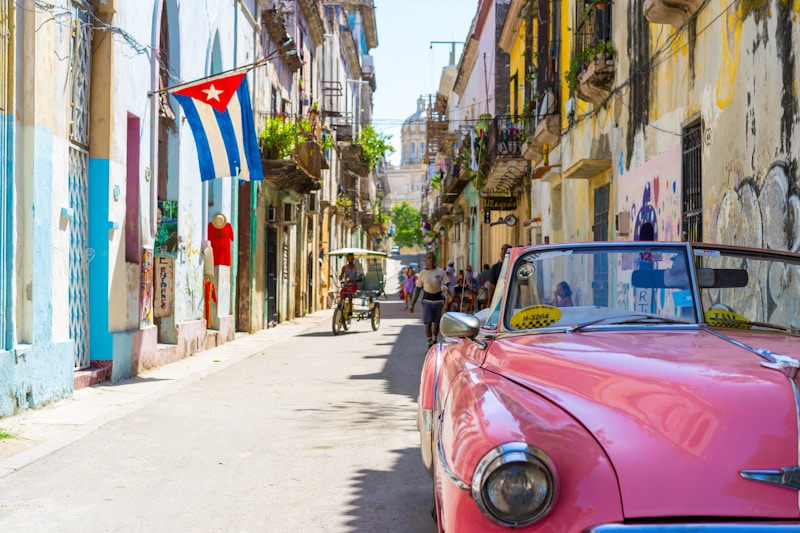
Step Back in Time in Havana
Experience the faded glamour of classic cars, salsa, and Caribbean culture.
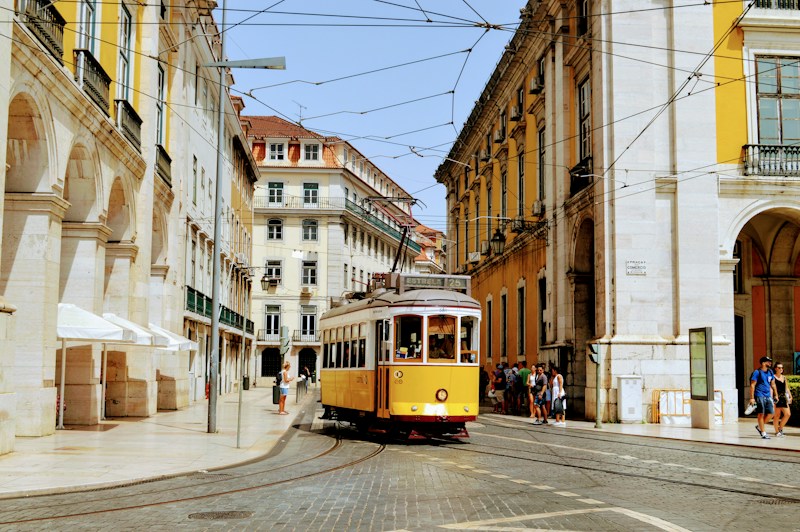
Ride Tram 28 Through Lisbon
Explore the charming hills and neighborhoods of Portugal's capital.