Discover Seoul
From $1.2k
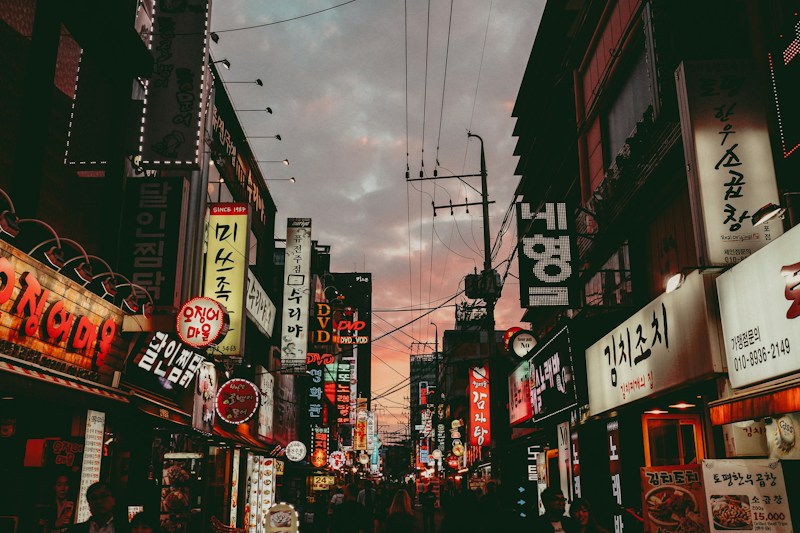
Discover Seoul
Experience K-culture, ancient palaces, and cutting-edge technology.
At a Glance
$1.2k+
4-7 days
South Korea
April-May or September-November
About This Experience
Seoul pulses with energy that few cities can match—ancient palaces preserved amid soaring skyscrapers, K-pop echoing through neon-lit districts, temples where monks have meditated for centuries standing blocks from the world's fastest internet cafes. This megacity of nearly 10 million people (over 25 million in the metropolitan area) has emerged from war and poverty to become a global trendsetter in technology, entertainment, and culture. The capital that was 80% destroyed during the Korean War now stands among the world's most dynamic cities, its rapid transformation visible in the juxtaposition of traditional and ultramodern that defines contemporary Seoul. The palaces anchor Seoul's historical identity. Gyeongbokgung, the largest and most famous, was built in 1395 as the main royal palace of the Joseon Dynasty, destroyed during Japanese colonial rule, and meticulously restored to showcase the era's architectural achievement. The changing of the guard ceremony at the main gate draws crowds, but the palace's true treasures are the quieter pavilions and gardens behind the main halls. Changdeokgung, a UNESCO World Heritage Site, preserves its Secret Garden—a vast woodland retreat that required special royal permission to enter. Deoksugung, uniquely combining traditional Korean and Western-style buildings, reflects the turbulent period when Korea encountered Western powers. The traditional neighborhoods provide contrast to the gleaming modern districts. Bukchon Hanok Village preserves hundreds of traditional hanok (Korean houses) on narrow lanes between Gyeongbokgung and Changdeokgung palaces. The traditional architecture—curved rooflines, wooden frames, heated ondol floors—demonstrates Korean aesthetic principles in a living neighborhood rather than a museum setting. Insadong's galleries, tea houses, and craft shops offer traditional arts and antiques along streets that fill with weekend crowds. Samcheong-dong blends hanok architecture with trendy cafes and boutiques. The modern districts deliver different intensity. Gangnam, made globally famous by Psy's 2012 hit, represents Seoul's wealthy southern side—shopping, entertainment, and plastic surgery clinics lining boulevards that could belong to any global luxury capital. Hongdae, surrounding Hongik University, vibrates with youth culture—indie music clubs, street performers, affordable fashion, and the creative energy that makes it Seoul's coolest neighborhood. Myeongdong concentrates K-beauty stores, fashion brands, and street food in a pedestrian shopping district that never seems to sleep. The food culture demands serious exploration. Korean BBQ—grilling meat at tableside burners, wrapping it in lettuce with garlic and ssamjang paste—provides the communal dining experience that defines Korean meals. The variety extends far beyond BBQ: bibimbap (rice mixed with vegetables, meat, and egg), kimchi jjigae (fermented cabbage stew), samgyetang (ginseng chicken soup), and dozens of banchan (small side dishes) that accompany every meal. The markets—Gwangjang for traditional foods like bindaetteok (mung bean pancakes), Noryangjin for fresh seafood you can select live—provide food experiences impossible to replicate elsewhere. The K-culture phenomena deserve engagement even for skeptics. K-pop has become a global export rivaling Korean electronics, and the industry's presence in Seoul includes entertainment company buildings that draw fan pilgrimages, themed cafes, and practice rooms visible through street-level windows. K-beauty stores offer products at the cutting edge of skincare innovation. Korean cinema and television have earned international recognition, their filming locations becoming tourist destinations. Understanding why Korean culture has achieved this global reach requires experiencing it where it originates. The DMZ provides sobering contrast to Seoul's prosperity. The Demilitarized Zone separating North and South Korea lies just 50 kilometers from downtown Seoul, a reminder that the Korean War ended in armistice, not peace. Tours to the Joint Security Area, Imjingak Park, and the tunnels dug for North Korean invasion provide context for understanding both Korean history and the tensions that persist. Standing in the blue UN buildings at Panmunjom, with North Korean soldiers visible meters away, makes abstract geopolitics immediate. The practical aspects of Seoul include remarkably efficient public transportation—the subway system covers the vast metropolitan area with signage in English, and the T-money card provides seamless payment. The mix of hotels, from international chains to boutique guesthouses to traditional hanok stays, accommodates all budgets. English is more common among younger Koreans than older, but translation apps and signs in major areas minimize language barriers. The seasons are distinct—spring cherry blossoms and fall foliage bring peak visitation, while winter cold and summer humidity are real considerations. Seoul rewards extended exploration—beneath the initial impression of modernity lies historical depth, and beneath the efficiency lies warmth that reveals itself through food shared and time spent.
Cost Breakdown
Estimated costs can vary based on location, season, and personal choices.
Budget
Basic experience, economical choices
Mid-Range
Comfortable experience, quality choices
Luxury
Premium experience, best options
Difficulty & Requirements
Perfect for beginners. Minimal preparation needed.
Physical Requirements
Walking
Prerequisites
- K-ETA for visa-exempt travelers
Tips & Advice
Visit Gyeongbokgung Palace at opening for changing of guard
Try Korean BBQ in Mapo-gu
Explore Bukchon Hanok Village
DMZ tour is sobering but worthwhile
Get a T-money card for easy transit
Related Topics
Community Discussion
Ask questions, share tips, or read experiences from others.
View Discussions Start DiscussionShare This Experience
Quick Summary
- Category Travel
- Starting Cost $1.2k
- Time Needed 4-7 days
- Best Season April-May or September-November
- Difficulty Easy
You Might Also Like
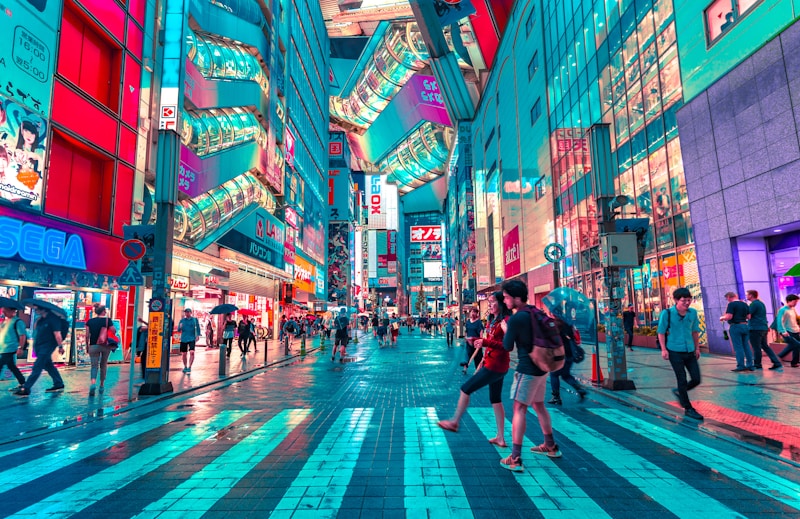
Experience Tokyo
Immerse yourself in the fascinating blend of ultra-modern and traditional.
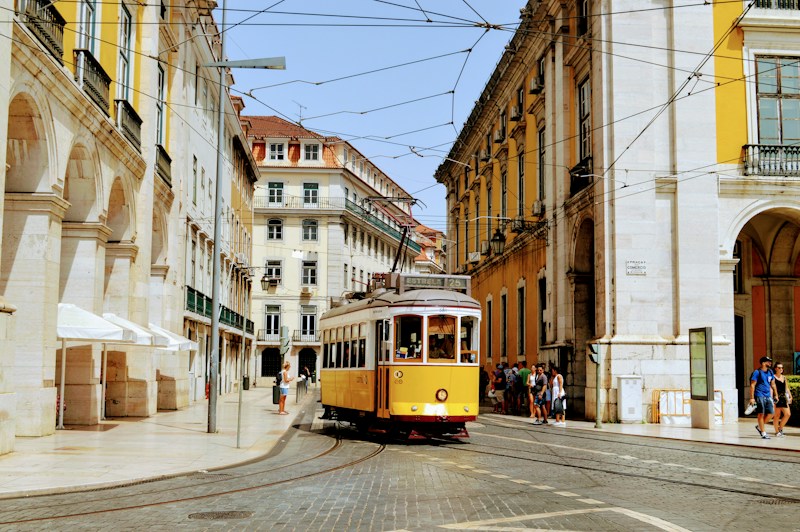
Ride Tram 28 Through Lisbon
Explore the charming hills and neighborhoods of Portugal's capital.
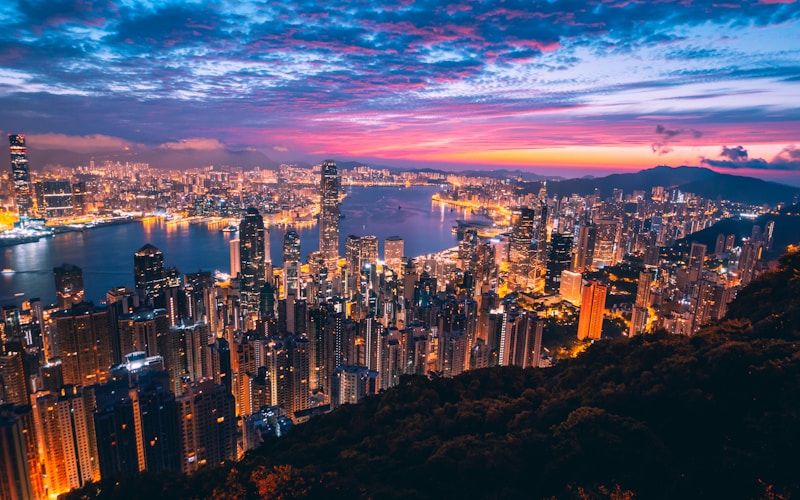
Experience Hong Kong
Explore the dazzling fusion of East and West on Victoria Harbour.
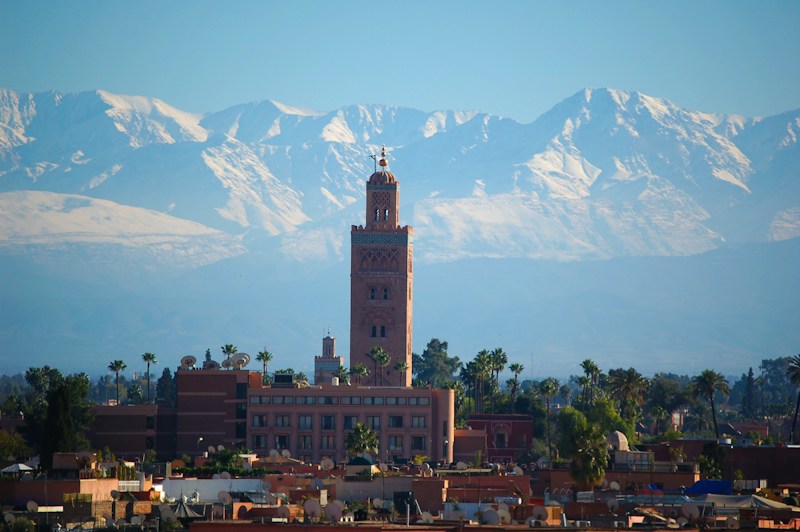
Explore Marrakech's Medina
Navigate the sensory maze of Morocco's most vibrant city.