Explore Vietnam
From $1.2k
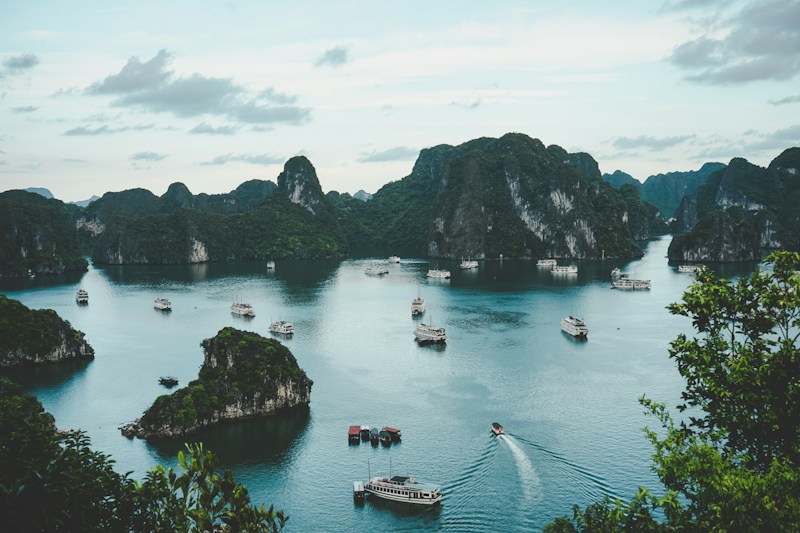
Explore Vietnam
Journey through emerald bays, ancient towns, and vibrant cities.
At a Glance
$1.2k+
2-3 weeks
Vietnam
Varies by region - generally October-April for south, March-May for north
About This Experience
Vietnam stretches 1,650 kilometers from the Chinese border to the Mekong Delta, packing into that narrow S-curve a diversity of landscapes, cuisines, and experiences that could occupy months of travel. The limestone karsts of Ha Long Bay rise from emerald waters in formations that seem designed by fantasy artists. The ancient trading port of Hội An glows with lanterns each evening. Ho Chi Minh City (still Saigon to many) pulses with the chaos and energy of a metropolis racing toward modernity. The mountain regions near Sapa preserve ethnic minority cultures in terraced rice paddies that cascade down valleys. And everywhere, the food—Vietnam's true competitive advantage—transforms simple ingredients into dishes that travelers remember for decades. Ha Long Bay's 1,600 limestone islands and islets create one of Southeast Asia's most photographed seascapes. Cruising through the karst formations—some towering 200 meters from the water, many hiding caves and grottos—produces that rare travel sensation of being somewhere genuinely unlike anywhere else. The bay has suffered from over-tourism and pollution, and the multiplication of cruise boats has diminished some magic, but arriving at dawn when mist shrouds the islands, or watching sunset turn the limestone gold, still delivers on the promise. Overnight cruises allow deeper exploration than day trips; multi-night journeys reach less-visited sections like Bai Tu Long Bay. Hội An's UNESCO-listed old town preserves an extraordinary concentration of Vietnamese, Chinese, Japanese, and European architecture from its centuries as a major trading port. The Japanese Covered Bridge, the Chinese assembly halls, the merchant houses with their trading windows—all speak to the international commerce that shaped this town before the Thu Bon River silted too much for large vessels. Modern Hội An has become a tourist destination and a hub for tailoring (visitors can have custom clothing made in days for a fraction of Western prices), but early mornings before the crowds reveal why this town captivates everyone who visits. Ho Chi Minh City (Saigon) overwhelms newcomers with its motorbike swarms, its frenetic pace, and its complex relationship with the war Americans know as Vietnam and Vietnamese call the American War. The War Remnants Museum documents atrocities with a perspective that may disturb American visitors but provides essential context. The Cu Chi tunnels, where Viet Cong fighters lived and fought underground, can be explored on day trips. But modern Saigon is increasingly defined by skyscrapers, shopping malls, and a young population more interested in the future than the past. Hanoi offers different energy—the capital's Old Quarter preserves French colonial architecture alongside Vietnamese street life, its lakes providing breathing room that Saigon lacks. Hoan Kiem Lake anchors the city's spiritual center. The Temple of Literature, founded in 1070, represents Vietnam's Confucian educational heritage. The Ho Chi Minh Mausoleum presents the preserved body of the revolutionary leader in the Soviet style he reportedly didn't want. Hanoi's food differs subtly from southern cuisine—phở here is served with different accompaniments, the flavors more subtle than Saigon's sweeter preparations. The food deserves its own pilgrimage. Phở—the beef or chicken soup that represents Vietnam globally—varies significantly by region. Bánh mì sandwiches combine French baguettes with Vietnamese fillings in what might be the world's best street food. Bún chả (grilled pork with noodles) achieved fame after Obama ate it with Anthony Bourdain in Hanoi. Bánh xèo (crispy rice crepes), gỏi cuốn (fresh spring rolls), cà phê sữa đá (iced coffee with condensed milk)—the variety extends endlessly, and prices remain remarkably affordable even in tourist areas. The journey from north to south offers multiple transportation options. Flying connects major cities in hours. The Reunification Express train, following the coast for 1,726 kilometers, allows you to watch Vietnam unfold over 30+ hours. Buses reach everywhere trains don't. Motorbike trips through the northern mountains—particularly the Ha Giang loop—have become iconic adventures for those confident on two wheels. Each mode reveals different perspectives on a country that changes dramatically as you move along its length. The regional diversity includes experiences beyond the famous highlights. Phong Nha-Ke Bang National Park contains some of the world's largest caves, including Son Doong, which requires expedition-level commitments to explore. The Mekong Delta's waterways support floating markets and village life that feels unchanged for generations. Dalat in the central highlands offers cooler climate and French colonial villas. Nha Trang provides beach resort development for those wanting sand and surf. The practical challenges include genuine complexity. Visa requirements have changed frequently; e-visas now allow many nationalities entry without embassy visits. Traffic in major cities—particularly crossing streets amid unbroken motorcycle flows—terrifies newcomers until they learn to walk steadily and let vehicles flow around them. The scam culture at tourist sites can exhaust patience. But Vietnam rewards persistence with one of Southeast Asia's richest travel experiences, a country where the cost allows extended stays and the variety justifies them.
Cost Breakdown
Estimated costs can vary based on location, season, and personal choices.
Budget
Basic experience, economical choices
Mid-Range
Comfortable experience, quality choices
Luxury
Premium experience, best options
Difficulty & Requirements
Accessible for most people with basic planning.
Physical Requirements
Moderate
Prerequisites
- E-visa or visa on arrival
Tips & Advice
Travel north to south (or vice versa) by train
Take a Ha Long Bay overnight cruise
Hội An is perfect for tailoring clothes
Take a cooking class in Hội An
Motorbike tours offer amazing experiences
Community Discussion
Ask questions, share tips, or read experiences from others.
View Discussions Start DiscussionShare This Experience
Quick Summary
- Category Travel
- Starting Cost $1.2k
- Time Needed 2-3 weeks
- Best Season Varies by region - generally October-April for south, March-May for north
- Difficulty Moderate
You Might Also Like
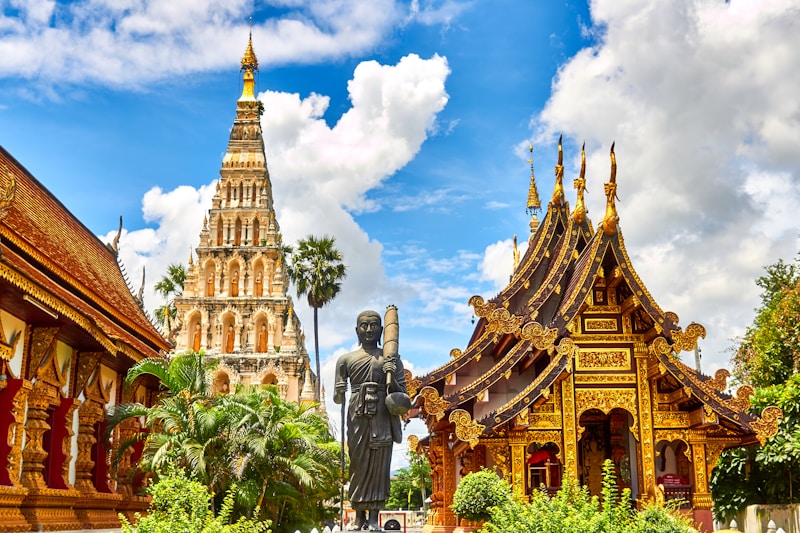
Explore Northern Thailand
Discover temples, hill tribes, and lush jungles around Chiang Mai.

Go on an African Safari
Witness the Big Five and the great migration in their natural habitat.

Experience Tokyo
Immerse yourself in the fascinating blend of ultra-modern and traditional.
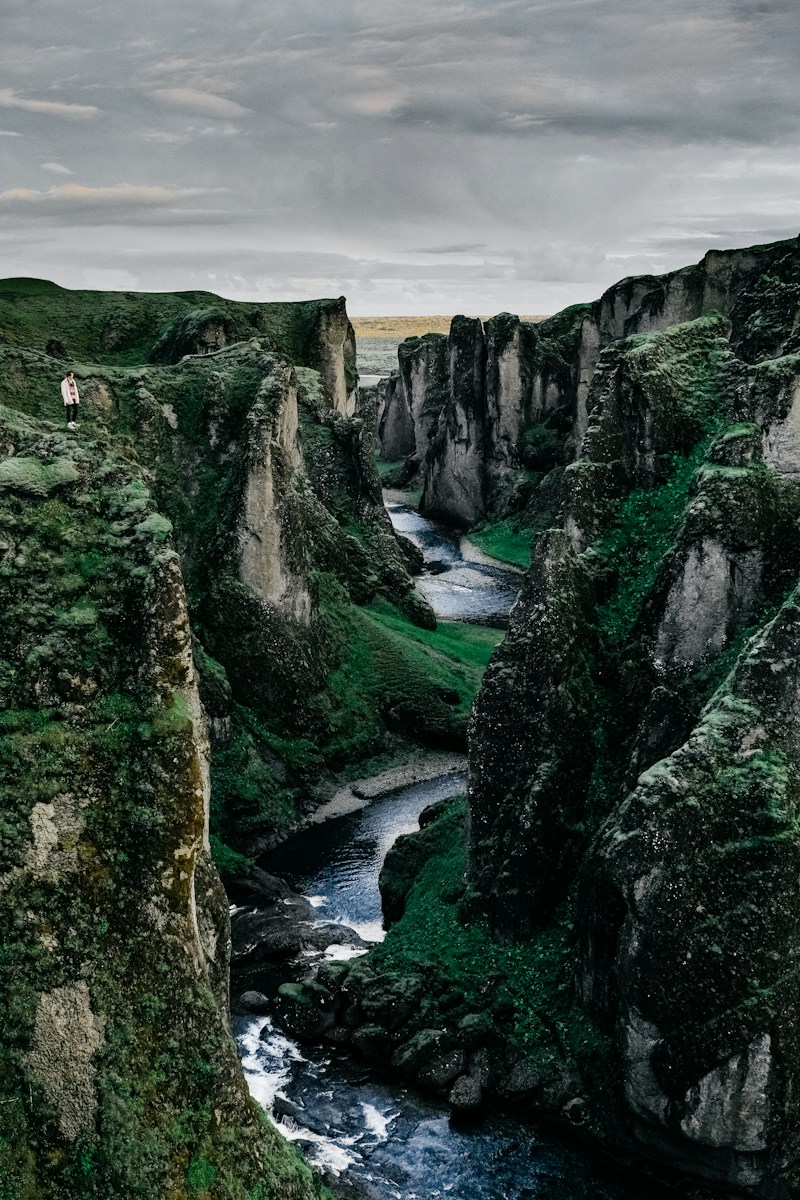
Drive Iceland's Ring Road
Circle the entire island through otherworldly volcanic landscapes.