Explore Yellowstone National Park
From $1.0k

Explore Yellowstone National Park
Witness geysers, hot springs, and abundant wildlife in America's first national park.
At a Glance
$1.0k+
4-7 days
Wyoming/Montana/Idaho, USA
April-May or September-October for fewer crowds
About This Experience
Yellowstone exists because a massive magma chamber lies just miles beneath the surface—a geological time bomb that has produced three of history's largest volcanic eruptions, most recently 640,000 years ago, and will eventually produce another. In the meantime, that heat escapes through the world's largest concentration of geysers, hot springs, mud pots, and fumaroles, creating a landscape that alternates between sublime beauty and extraterrestrial strangeness. Add the largest concentration of wildlife in the lower 48 states—bison by the thousands, wolves returned from near extinction, grizzly bears, elk, and more—and you have America's first national park, still arguably its greatest. Old Faithful erupts with remarkable predictability, shooting 3,700-8,400 gallons of boiling water up to 180 feet into the air roughly every 90 minutes. It's not the largest or most dramatic geyser, but its reliability has made it Yellowstone's symbol and the center of the park's largest developed area. The surrounding Upper Geyser Basin contains more geysers than anywhere else on Earth, their steam columns visible for miles, their eruption schedules posted at the visitor center for planning. Grand Prismatic Spring provides Yellowstone's most photographed image—the largest hot spring in the United States, its colors radiating from deep blue center through green, yellow, orange, and red bands created by temperature-sensitive bacteria. The overlook trail, recently constructed, finally provides the elevated vantage point that photographs require; ground-level boardwalks offer close approaches but not the famous perspective. The spring's size—370 feet across—only becomes apparent from above. The Lamar Valley, in the park's northeast section, offers wildlife viewing that rivals African safaris. Dawn and dusk bring wolves hunting along the valley floor, their movements tracked by dedicated observers with powerful spotting scopes who often share views with newcomers. Bison graze in herds numbering hundreds. Grizzly bears appear on distant slopes or occasionally cross the road, stopping traffic and causing "bear jams." Pronghorn, coyotes, and fox round out the megafauna visible to patient observers. The park's scale and geography require strategic planning. At over 2.2 million acres, Yellowstone cannot be meaningfully experienced in a single day. The figure-eight road system provides the main circulation, with attractions distributed throughout. The Grand Canyon of Yellowstone, with its dramatic waterfalls visible from multiple overlooks, anchors the northeast. The Mammoth Hot Springs terraces, their travertine formations constantly growing and changing, occupy the north. The southern region contains Yellowstone Lake, the largest high-elevation lake in North America. The developed areas—five front-country areas with lodges, restaurants, and stores—provide convenient bases but concentrate the crowds. Old Faithful, Grand Canyon Village, and Mammoth attract the heaviest visitation. Those seeking solitude can find it on the park's 1,000 miles of trails, most of which see relatively light use despite the park's millions of annual visitors. Backcountry permits allow multi-day trips into genuine wilderness. The wildlife viewing etiquette and safety requirements deserve emphasis. Yellowstone's animals are wild, despite their apparent habituation to human presence. Bison injure more visitors than bears, their calm demeanor masking speed and aggression that surprise those who approach too closely. Bears require 100-yard distance—a span that seems larger in theory than in the moment when a grizzly appears. The rules exist because visitors who violated them have been killed. The seasons transform the experience. Summer brings the crowds, the full road access, and the longest days. Spring sees baby animals but also unpredictable road closures as snow lingers at higher elevations. Autumn offers fall colors, elk rut, and diminishing crowds. Winter closes most roads to wheeled vehicles but opens them to snowmobiles and snow coaches, providing access to a frozen landscape where geysers steam against snow fields and bison stand frosted with ice. The gateway communities—West Yellowstone, Gardiner, Cooke City, and Jackson—provide accommodation alternatives to in-park lodging, which books months in advance for peak season. Each gateway offers different character: West Yellowstone's tourist town, Gardiner's authentic western vibe, Jackson's upscale polish. Day trips from these towns access different park sections; serious exploration benefits from multiple nights and gateway changes. Yellowstone's geothermal features continue to shift and change. New hot springs emerge; old ones grow dormant. The underground forces that created this landscape remain active, as 1,000-3,000 earthquakes annually remind visitors. The park sits atop a supervolcano that will eventually erupt again, though not in any human planning horizon. Until then, Yellowstone offers a window into planetary processes usually hidden from view—a reminder that Earth remains geologically alive.
Cost Breakdown
Estimated costs can vary based on location, season, and personal choices.
Budget
Basic experience, economical choices
Mid-Range
Comfortable experience, quality choices
Luxury
Premium experience, best options
Difficulty & Requirements
Accessible for most people with basic planning.
Physical Requirements
Moderate for hiking
Prerequisites
- Book lodging months in advance
Tips & Advice
Old Faithful is reliable but Grand Prismatic is more impressive
Lamar Valley for best wildlife viewing
Bear spray is essential for hiking
Arrive before 9am to beat crowds
Consider the less-visited north section
Related Topics
Community Discussion
Ask questions, share tips, or read experiences from others.
View Discussions Start DiscussionShare This Experience
Quick Summary
- Category Travel
- Starting Cost $1.0k
- Time Needed 4-7 days
- Best Season April-May or September-October for fewer crowds
- Difficulty Moderate
You Might Also Like
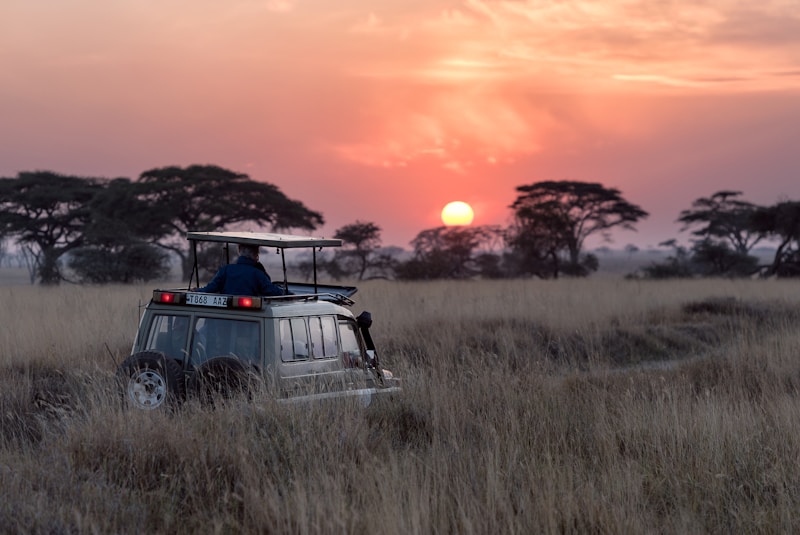
Go on an African Safari
Witness the Big Five and the great migration in their natural habitat.
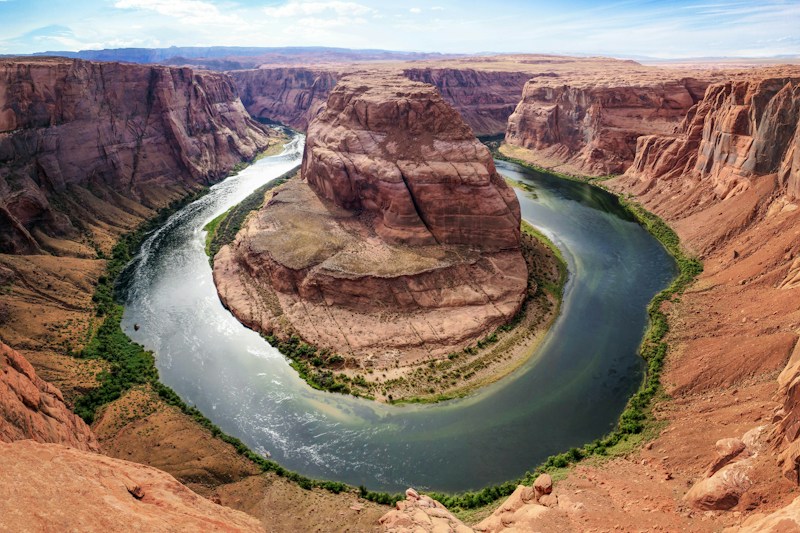
Stand at the Grand Canyon
Marvel at one of Earth's most awe-inspiring natural wonders.
Cruise the Galápagos Islands
Walk among fearless wildlife that inspired Darwin's theory of evolution.
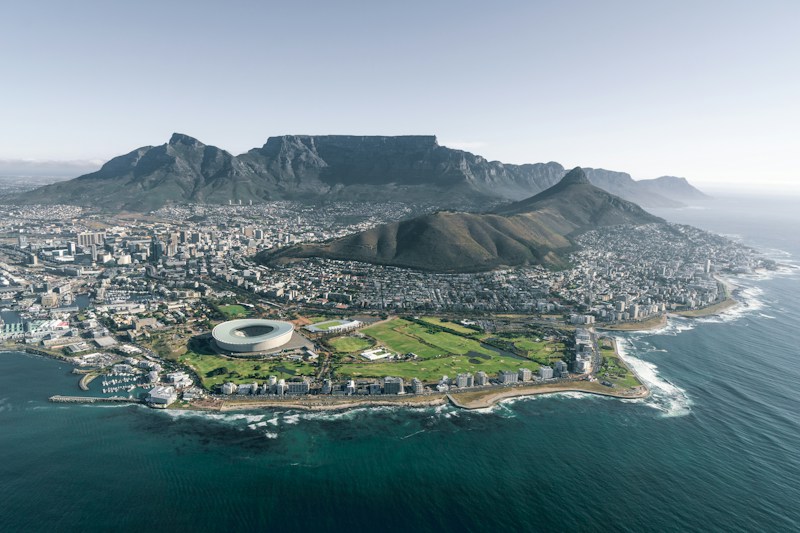
Explore Cape Town and Beyond
Experience Table Mountain, wine country, and the Cape of Good Hope.