Take a Wilderness Survival Course
From $200
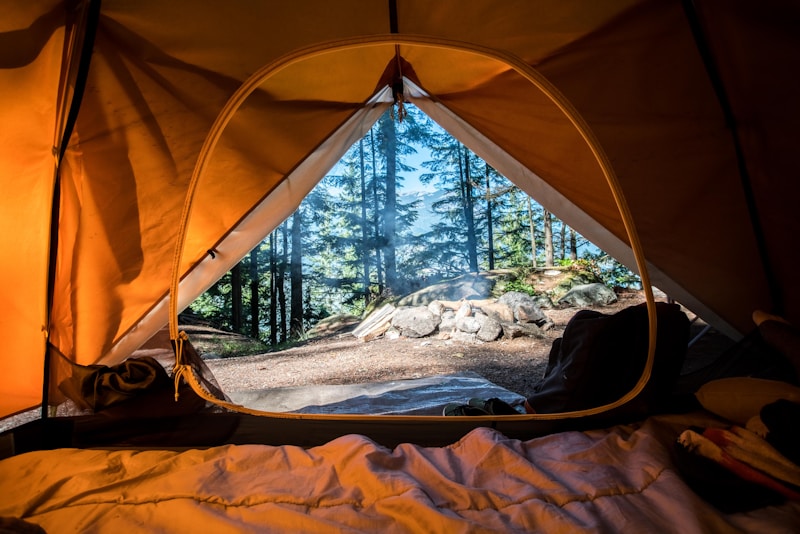
Take a Wilderness Survival Course
Learn to survive with minimal gear in the wild.
At a Glance
$200+
Workshops vary, 2 days to 2 weeks
Varies - different challenges each season
About This Experience
Wilderness survival training teaches the skills that kept humans alive for hundreds of thousands of years before modern conveniences—fire-making, shelter-building, water procurement, and food gathering that can mean the difference between life and death when technology fails and help isn't coming. Beyond practical emergency preparedness, survival training develops self-reliance, nature connection, and appreciation for the conveniences that modern life provides while hiding its fragility. The fire-making skills that courses emphasize provide warmth, water purification, cooking capability, signaling, and psychological comfort. The friction methods (bow drill, hand drill) demonstrate that fire is possible with nothing but natural materials and knowledge—though achieving fire through friction requires practice that frustrates most beginners. Modern methods (ferrocerium rods, waterproof matches) provide more reliable ignition while courses teach both approaches. The shelter-building addresses the most immediate survival priority in most emergencies: protection from exposure. Hypothermia can kill within hours in wet, cold conditions; heat exhaustion and dehydration threaten in hot environments. Learning to assess conditions, select shelter locations, and construct protection from available materials develops skills that save lives when circumstances require them. The water procurement combines finding sources, assessing safety, and treating water to prevent the waterborne illness that can be more dangerous than short-term dehydration. Understanding where water collects, how to extract it from plants, and when purification is essential versus when natural sources are likely safe provides capability that extends from emergency survival through backcountry travel. The food acquisition receives less emphasis than popular media suggests because most survival situations resolve (through rescue or self-extraction) before starvation becomes a factor. Knowing which plants are edible, how to set snares, and where to find protein has value, but the calories expended acquiring food often exceed what's obtained—particularly for beginners. Survival courses typically cover food skills while emphasizing their lower priority relative to shelter, water, and rescue signaling. The mental skills that distinguish survival from death receive increasing emphasis in quality courses. The psychological factors—panic management, maintaining hope, making rational decisions under stress, avoiding the behaviors (like walking in circles) that untrained people exhibit—often determine outcomes more than technical skills. The survival instructors who emphasize mindset over techniques reflect hard-won wisdom from actual survival situations. The primitive skills track in survival training develops deeper capability through extended practice. Making cordage from plant fibers, tanning hides, crafting containers, and living for extended periods with only what nature provides connects practitioners to ancestral knowledge and creates genuine self-reliance rather than the partial capability that introductory courses develop. The course selection among survival schools varies significantly in approach and quality. Schools like BOSS, Tom Brown Jr.'s Tracker School, and Primitive Pursuits offer respected curricula developed over decades. Military-derived training emphasizes different priorities than nature-connection-focused programs. Matching course philosophy to personal goals improves outcomes; reading reviews and understanding instructor backgrounds helps navigate the selection.
Cost Breakdown
Estimated costs can vary based on location, season, and personal choices.
Budget
Basic experience, economical choices
Mid-Range
Comfortable experience, quality choices
Luxury
Premium experience, best options
Difficulty & Requirements
Challenging. Significant preparation and commitment required.
Physical Requirements
Moderate fitness
Prerequisites
- Willingness to be uncomfortable
Tips & Advice
Start with a reputable school (BOSS, Tom Brown Jr., etc.)
Practice skills in your backyard first
The mental game is as important as skills
Knife and fire-making are foundational
Survival is about attitude as much as skill
Related Topics
Community Discussion
Ask questions, share tips, or read experiences from others.
View Discussions Start DiscussionShare This Experience
Quick Summary
- Category Learning
- Starting Cost $200
- Time Needed Workshops vary, 2 days to 2 weeks
- Best Season Varies - different challenges each season
- Difficulty Difficult
You Might Also Like

Learn Map and Compass Navigation
Navigate the wilderness without GPS.

Get Wilderness First Aid Certified
Learn to handle medical emergencies in remote settings.

Become Fluent in a New Language
Achieve conversational fluency in a language you've always wanted to speak.

Learn to Play a Musical Instrument
Pick up an instrument and learn to play songs you love.