Study Wine Appreciation
From $50
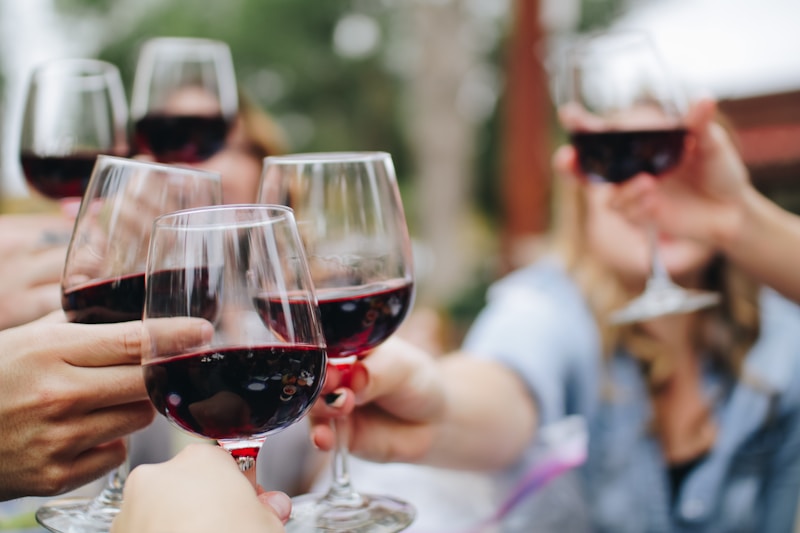
Study Wine Appreciation
Develop your palate and understand wine beyond "red or white."
At a Glance
$50+
Ongoing
Year-round
About This Experience
Wine appreciation develops the sensory awareness and knowledge framework that transforms casual drinking into genuine understanding of one of humanity's most complex beverages. The depth available to those who pursue wine seriously is essentially limitless—thousands of grape varieties, countless wine regions, decades of vintage variation, and the subjective interplay between taster and tasted create exploration that can occupy lifetimes without exhausting. The tasting methodology provides the foundation for developing palate awareness. The visual examination notes color and clarity. The aromatic assessment identifies fruit, earth, oak, and other scent categories through both orthonasal (sniffing) and retronasal (swallowing) channels. The taste evaluation assesses sweetness, acidity, tannin, body, and finish. The systematic approach ensures complete evaluation while building the vocabulary and memory that enable comparison across tastings. The grape variety knowledge helps organize the overwhelming diversity of wines. Major varieties—Cabernet Sauvignon, Merlot, Pinot Noir, Chardonnay, Sauvignon Blanc, Riesling—appear globally with characteristics that persist despite regional variation. Understanding what a grape variety typically provides, then recognizing how region and winemaking modify that baseline, creates framework for predicting and understanding unfamiliar wines. The regional geography matters because wine reflects where grapes grow. Climate affects ripeness and acidity; soil affects mineral character; tradition affects winemaking choices. Burgundy Pinot Noir differs from Oregon Pinot Noir differs from New Zealand Pinot Noir, and these differences derive from place. Learning major wine regions—Bordeaux, Burgundy, Rhône, Champagne, Napa, Tuscany, Rioja—provides reference points for evaluating wines from those and similar regions. The blind tasting practice reveals honest preferences and develops identification skills. Tasting without knowing what's in the glass prevents expectation from influencing perception; many tasters discover their preferences differ from what they thought they liked when labels are hidden. The exercise of identifying wine blind develops sensory memory that improves even non-blind appreciation. The structured education through programs like WSET (Wine & Spirit Education Trust) provides systematic progression from fundamentals through professional levels. The curricula cover tasting methodology, grape varieties, regions, production methods, and business aspects at increasing depth. Certification provides credentials for professional contexts while ensuring comprehensive knowledge for personal enjoyment. The economic reality deserves acknowledgment: good wine exists at every price point, but exploring wine's full diversity requires spending money. The relationship between price and quality exists but isn't linear; there are terrible expensive wines and delightful cheap ones. Developing confidence in your own taste—rather than deferring to scores or prices—represents a key milestone in wine appreciation development. The social and cultural dimensions of wine appreciation extend beyond liquid in glass. Wine connects to food culture, regional identity, agricultural practice, and social tradition. Wine dinners, tastings, and visits to wine regions provide community and context that drinking alone cannot. The culture of sharing and discussing wine enhances individual appreciation while creating connections with others who share the interest.
Cost Breakdown
Estimated costs can vary based on location, season, and personal choices.
Budget
Basic experience, economical choices
Mid-Range
Comfortable experience, quality choices
Luxury
Premium experience, best options
Difficulty & Requirements
Accessible for most people with basic planning.
Physical Requirements
None
Prerequisites
- Legal drinking age
Tips & Advice
WSET courses offer structured education
Keep tasting notes
Blind tasting reveals honest preferences
Visit wine regions when possible
Good wine doesn't have to be expensive
Related Topics
Community Discussion
Ask questions, share tips, or read experiences from others.
View Discussions Start DiscussionShare This Experience
Quick Summary
- Category Learning
- Starting Cost $50
- Time Needed Ongoing
- Best Season Year-round
- Difficulty Moderate
You Might Also Like
Become Fluent in a New Language
Achieve conversational fluency in a language you've always wanted to speak.
Learn to Play a Musical Instrument
Pick up an instrument and learn to play songs you love.

Get a Pilot's License
Learn to fly and earn your private pilot certificate.
Learn to Code
Master programming and build your own apps or websites.