Learn Wingsuit Flying
From $15k
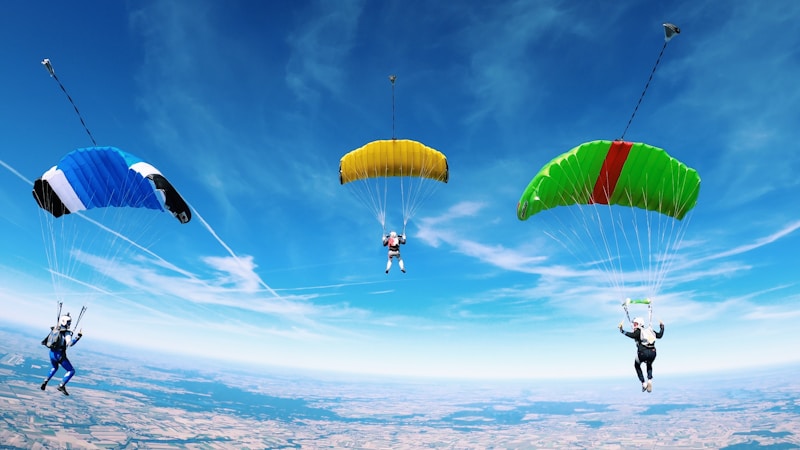
Learn Wingsuit Flying
Fly through the air in a fabric suit at 100+ mph.
At a Glance
$15k+
Years of preparation
Switzerland, Norway, USA
Year-round in suitable locations
About This Experience
Wingsuit flying represents humanity's closest approach to the ancient dream of unassisted flight—body-mounted fabric wings that transform freefall into forward glide, enabling human bodies to achieve glide ratios approaching 3:1 and forward speeds exceeding 100 mph. The sensation of flying a wingsuit, reported by practitioners universally, differs from skydiving's vertical fall: you're genuinely flying, making directional choices, experiencing the rush of horizontal speed over terrain that passes below rather than beside you. The prerequisite progression ensures that wingsuit flying attracts only experienced skydivers with the skills to handle the additional complexity. Most training organizations require 200+ skydives before beginning wingsuit training, a threshold that typically requires 2-3 years of dedicated skydiving. This requirement exists because wingsuits introduce failure modes that don't exist in conventional skydiving: fabric malfunctions, arm/leg position errors that produce instability, and deployment complications from the suit's effect on body position during parachute opening. The first wingsuit flights feel nothing like the video footage suggests. The suit restricts movement in unfamiliar ways; the flight characteristics demand learning through experimentation; the deployment sequence requires careful attention to avoid the complications that have injured beginning wingsuit pilots. The initial flights typically involve conservative body positions and straight-line glides, building comfort with the suit's handling before attempting the maneuvers that make wingsuit footage spectacular. The skydive wingsuit progression—learning to fly wingsuits from aircraft at typical skydiving altitudes—develops the skills and judgment that advanced applications require. Skydivers spend years accumulating hundreds of wingsuit flights, experimenting with different body positions, learning to fly in close proximity to other wingsuits, and developing the intuitive understanding of the suit's flight envelope that advanced flying demands. This phase of wingsuit development occupies most practitioners; relatively few proceed to BASE jumping or proximity flying. The BASE jumping application of wingsuits introduces terrain that skydiving lacks. Launching from cliffs, bridges, or other fixed objects with a wingsuit enables flight over ridgelines, along valleys, and above terrain features impossible to reach from aircraft. The margin for error contracts dramatically: deployment altitudes measured in hundreds rather than thousands of feet; no reserve parachute option; terrain proximity that creates collision risk absent in open-air skydiving. The fatality statistics for wingsuit BASE jumping are sobering, with annual deaths among even experienced practitioners. The proximity flying that dominates viral wingsuit footage represents the sport's extreme end: pilots intentionally flying close to terrain, threading ridgelines, skimming rock faces, and flying through narrow gaps at speeds exceeding 150 mph. The pilots who survive this long enough to appear in professional footage have thousands of flights and preternatural judgment about their suits' capabilities. The numerous deaths—including many professional proximity pilots—demonstrate that even exceptional skill cannot eliminate the risk of activities with zero margin for error. The decision to pursue wingsuit flying, and how far to progress, involves honest risk assessment that the dramatic footage can obscure. Skydive wingsuits, flown conservatively with proper training, add manageable risk to an already risky sport. BASE jumping with wingsuits elevates that risk substantially. Proximity flying approaches certain death over time—the question is not whether proximity pilots will eventually die but whether they'll die from proximity flying or something else first. Most wingsuit pilots find that the skydive experience provides sufficient reward without accepting the risks that advanced applications require.
Cost Breakdown
Estimated costs can vary based on location, season, and personal choices.
Budget
Basic experience, economical choices
Mid-Range
Comfortable experience, quality choices
Luxury
Premium experience, best options
Difficulty & Requirements
Expert level. Extensive preparation, skills, and resources needed.
Physical Requirements
Expert skydiving body awareness
Prerequisites
- 200+ skydives before wingsuit
- 200+ BASE jumps before proximity flying
Tips & Advice
The fatality rate for proximity flying is extremely high
Start with skydive wingsuits, not BASE
Jeb Corliss says "proximity flying killed my friends"
This takes 5+ years to work up to safely
Consider if the risk is worth it
Community Discussion
Ask questions, share tips, or read experiences from others.
View Discussions Start DiscussionShare This Experience
Quick Summary
- Category Adventure
- Starting Cost $15k
- Time Needed Years of preparation
- Best Season Year-round in suitable locations
- Difficulty Extreme
Explore More
You Might Also Like
Go Skydiving
Experience the ultimate adrenaline rush by jumping from a plane.
Learn BASE Jumping
Jump from fixed objects with a parachute.

Witness a Wingsuit Flight
Watch humans fly through the air in wingsuits.

Summit K2
Climb the world's most dangerous mountain.