Cross Antarctica on Foot
From $75k
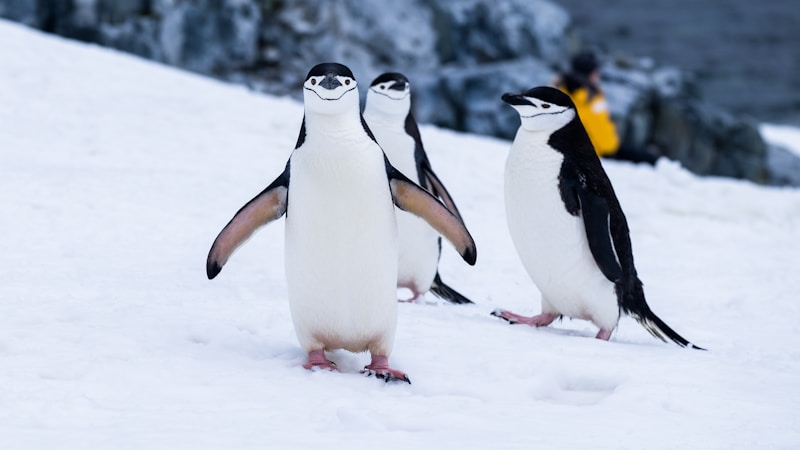
Cross Antarctica on Foot
Ski across the frozen continent to the South Pole.
At a Glance
$75k+
50-70 days
Antarctica
November-January (Antarctic summer)
About This Experience
Crossing Antarctica on foot represents one of Earth's last great expeditions—a journey that Amundsen, Scott, and Shackleton pursued over a century ago and that remains among the most demanding challenges human beings can voluntarily undertake. The typical crossing spans 700-900 miles depending on route, requiring 50-70 days of sustained effort in temperatures that regularly drop below -40°F, pulling sledges weighing 200+ pounds at the start across a featureless ice plateau where navigation relies on compass and GPS because the terrain provides no landmarks. The physical demands begin with the sledge-pulling that defines Antarctic travel. The initial loads—supplies for two months, fuel for melting snow into water, emergency equipment, navigation and communication devices—require sustained effort that burns 6,000-10,000 calories daily. The harness system distributes load across shoulders and hips, but the accumulated stress produces injuries that participants must manage while continuing. The body consumes its own reserves despite constant eating; most Antarctic crossers lose 20-40 pounds despite maximizing caloric intake. The cold at Antarctic latitudes exceeds what even experienced cold-weather adventurers can imagine before experiencing it. Metal objects burn bare skin instantly; exposed facial skin frostbites within minutes during wind events; the vapor from breath freezes and accumulates on clothing and equipment. The gear systems developed specifically for Antarctic travel provide survival capability, but comfort remains impossible. Every function—eating, drinking, managing bodily functions, adjusting equipment—requires execution with gloved hands in conditions that punish mistakes ruthlessly. The altitude adds physiological stress that many expect only in mountains. The South Pole sits at 9,300 feet elevation on the polar plateau; the thin atmosphere reduces available oxygen just as it would at comparable mountain elevations. The cold air holds less moisture, contributing to dehydration that compounds other stresses. Arriving at the pole after weeks of lower-altitude travel triggers acclimatization symptoms familiar to mountaineers. The psychological dimensions of Antarctic crossing receive intense preparation and produce intense experiences. The featureless landscape—white in every direction, no trees, no animals, no variation—creates sensory deprivation that some find meditative and others find maddening. The isolation from all human contact except expedition partners (or complete isolation for solo crossers) persists for weeks. The knowledge that rescue may be days or weeks away even if called weighs on decision-making throughout. Participants universally describe psychological transformation, though the nature of that transformation varies. The modern Antarctic crossing infrastructure has evolved considerably from the heroic era. Aircraft can now reach most of the continent for resupply, emergency evacuation, or supported expeditions where logistics reduce physical demands. The purist unsupported crossing—no resupply, no kite assistance, complete self-reliance—remains rare and receives distinct recognition. The supported versions remain extraordinary achievements by any measure; they simply occupy different positions on the spectrum of Antarctic accomplishment. The training for Antarctic crossing typically occurs in Arctic environments—Greenland, Svalbard, northern Canada—where similar conditions exist in more accessible locations. Polar training expeditions teach crevasse rescue, glacier navigation, cold weather camping, and the sledge-pulling endurance that no other training can replicate. Most successful Antarctic crossers have completed multiple Arctic training expeditions before attempting the southern continent. The moment of standing at the South Pole, having traveled there by human power across the ice sheet, connects modern adventurers to the explorers whose photographs they know from history books. The geographic pole marker, the research station, the ceremonial pole surrounded by flags—these landmarks mark achievement that only a few hundred human beings have ever accomplished.
Cost Breakdown
Estimated costs can vary based on location, season, and personal choices.
Budget
Basic experience, economical choices
Mid-Range
Comfortable experience, quality choices
Luxury
Premium experience, best options
Difficulty & Requirements
Expert level. Extensive preparation, skills, and resources needed.
Physical Requirements
Elite polar fitness, cold tolerance
Prerequisites
- Arctic training expeditions
- Extreme cold weather experience
- Mental fortitude
Tips & Advice
Train in Greenland or Svalbard first
Crevasse rescue skills are essential
Mental preparation is crucial for isolation
The altitude at the pole (9,300ft) adds challenge
Full crossing takes 50+ days pulling 200lb sledge
Related Topics
Community Discussion
Ask questions, share tips, or read experiences from others.
View Discussions Start DiscussionShare This Experience
Quick Summary
- Category Adventure
- Starting Cost $75k
- Time Needed 50-70 days
- Best Season November-January (Antarctic summer)
- Difficulty Extreme
You Might Also Like
Go Skydiving
Experience the ultimate adrenaline rush by jumping from a plane.

Bungee Jump
Take the leap and freefall before bouncing back.
Cage Dive with Great White Sharks
Come face-to-face with the ocean's apex predator.
Try Ice Climbing
Ascend frozen waterfalls with ice axes and crampons.