Learn Astronomy
From $100
At a Glance
$100+
Ongoing
Clear nights, winter often best
About This Experience
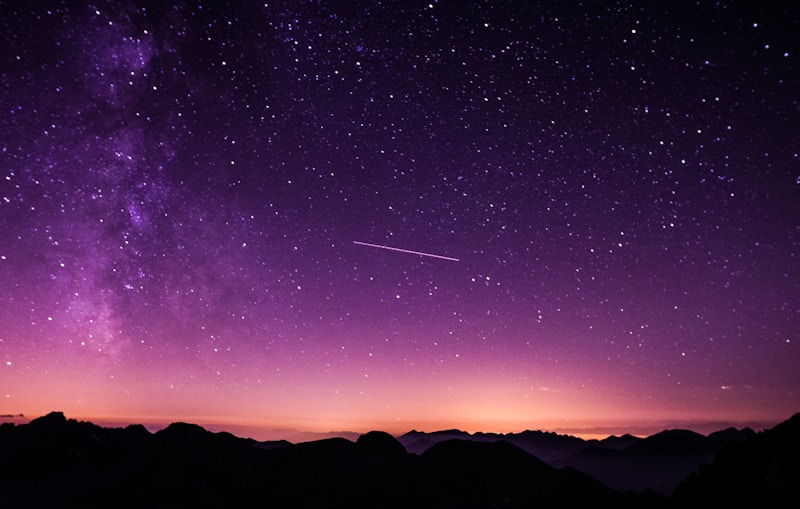
Amateur astronomy transforms the night sky from decorative backdrop into a window on cosmic scales that dwarf human experience—distances measured in light-years, ages measured in billions of years, and phenomena that challenge intuition developed in our tiny corner of space-time. Learning to navigate the night sky, identify celestial objects, and understand the physics underlying what you observe connects you to both the universe and humanity's long effort to comprehend our place within it. The naked-eye foundation provides the essential starting point for astronomical observation. Learning the major constellations—the patterns humans have imposed on scattered stars for millennia—creates the reference framework that more advanced observation requires. The seasonal rotation of the sky, the wandering paths of planets against stellar backgrounds, and the monthly phases of the moon all become comprehensible through patient naked-eye watching. Mobile apps that identify celestial objects by pointing your phone at the sky have revolutionized this learning for modern amateur astronomers. The binocular stage often gets skipped but shouldn't. Good binoculars reveal far more than naked eyes: the Pleiades cluster expands from a hazy patch to dozens of distinct stars; Jupiter's moons become visible; the Andromeda galaxy shows as an elongated glow. Binoculars cost less than telescopes, require no setup, and develop the sky knowledge that makes telescope use more rewarding. Many experienced astronomers keep binoculars as their most-used equipment. The telescope selection presents choices that depend on observing goals and practical constraints. Refractors (lens telescopes) offer crisp planetary views and require minimal maintenance. Reflectors (mirror telescopes) provide more light-gathering aperture for the money, revealing fainter deep-sky objects. Compound designs offer portability with reasonable aperture. The best telescope is one you'll actually use; an amazing scope that stays in the closet serves astronomy less than a modest one used regularly. The deep-sky observation that often motivates telescope acquisition requires dark skies that urban and suburban locations rarely provide. Nebulae, galaxies, and faint star clusters disappear in light-polluted skies; seeing them requires driving to darker locations. The investment in travel pays dividends—the difference between suburban skies and genuinely dark sites transforms what's visible. Planetary observation, by contrast, works reasonably well from moderately light-polluted locations. The photography (astrophotography) dimension has become increasingly accessible through advances in camera and telescope technology. Long exposures reveal colors and details invisible to the eye; stacked multiple exposures reduce noise and increase detail. The technical challenges of tracking objects as Earth rotates, managing exposure and focus, and processing captured images create a learning curve separate from visual observation. Many amateur astronomers specialize in imaging rather than visual observing. The club participation accelerates learning while providing access to expertise and equipment. Astronomy clubs host observing sessions, equipment demonstrations, and educational programs. The tradition of sharing—letting newcomers look through expensive telescopes, explaining what they're seeing, answering questions patiently—characterizes amateur astronomy culture. Finding a local club provides mentorship that no book or video can replace. The citizen science opportunities allow amateurs to contribute to actual astronomical research. Variable star observation, asteroid occultation timing, and comet hunting have historically relied on amateur contributions. Modern projects involving image analysis and data classification extend the tradition. Amateur astronomy can be pure appreciation of cosmic beauty, or it can involve genuine scientific contribution—the field welcomes both orientations.
Cost Breakdown
Estimated costs can vary based on location, season, and personal choices.
Budget
Basic experience, economical choices
Mid-Range
Comfortable experience, quality choices
Luxury
Premium experience, best options
Difficulty & Requirements
Accessible for most people with basic planning.
Physical Requirements
None
Prerequisites
- Dark sky location helps
Tips & Advice
Start with binoculars before telescopes
Learn the constellations first
Apps like Stellarium help identify objects
Join an astronomy club for expertise and equipment
Your first view of Saturn's rings is unforgettable
Community Discussion
Ask questions, share tips, or read experiences from others.
View Discussions Start DiscussionShare This Experience
Quick Summary
- Category Learning
- Starting Cost $100
- Time Needed Ongoing
- Best Season Clear nights, winter often best
- Difficulty Moderate
You Might Also Like
Learn to Play a Musical Instrument
Pick up an instrument and learn to play songs you love.

Learn Beekeeping
Keep bees and harvest your own honey.

Learn Home Brewing
Craft your own beer or cider at home.
Learn Lockpicking
Understand lock mechanisms and pick them open.