Tour the Kentucky Bourbon Trail
From $100
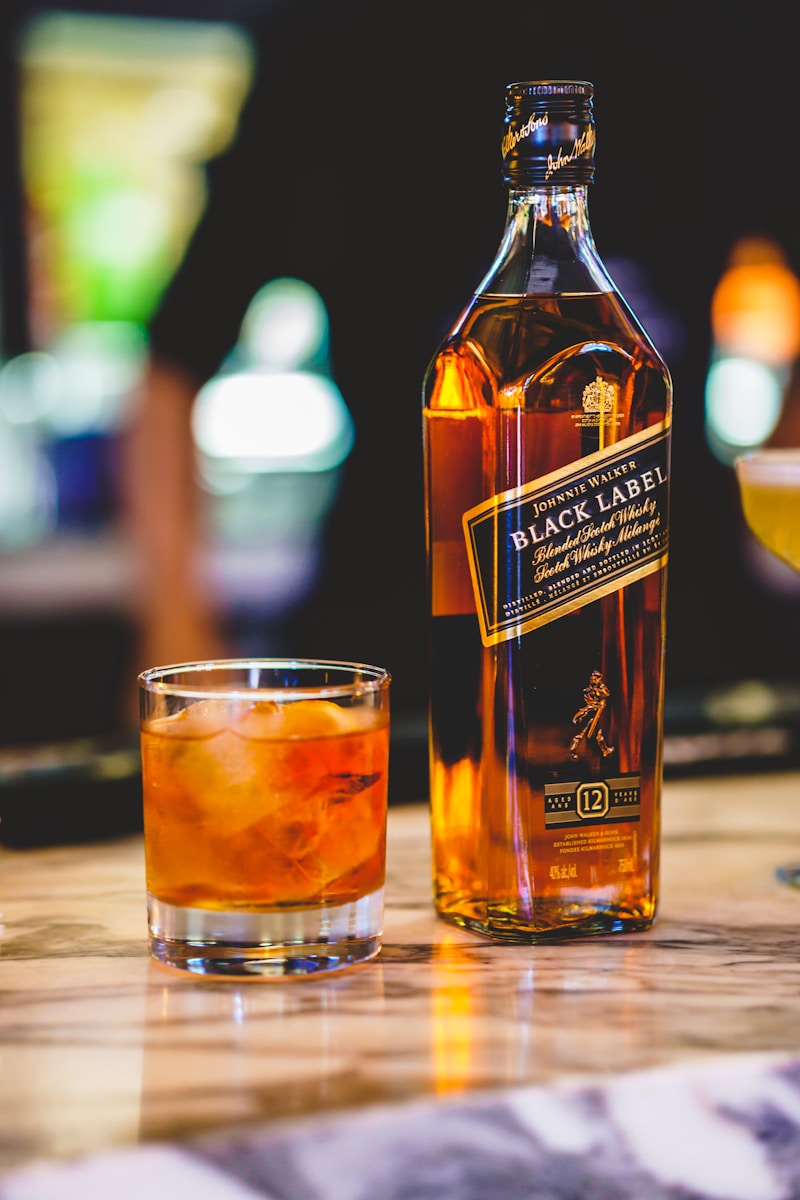
Tour the Kentucky Bourbon Trail
Visit legendary bourbon distilleries in their homeland.
At a Glance
$100+
2-4 days
Kentucky, USA
Spring or fall
About This Experience
The Kentucky Bourbon Trail offers immersion into America's native spirit, winding through rolling bluegrass hills to distilleries where limestone-filtered water and generations of expertise combine to produce whiskey recognized worldwide for its quality and character. Kentucky produces approximately ninety-five percent of the world's bourbon, a dominance rooted in geography, tradition, and legal requirements that make this region essential for understanding the spirit. Touring these distilleries reveals the craft, science, and history behind bourbon while providing ample opportunity to taste expressions ranging from everyday sippers to rare allocated bottles worth hundreds of dollars. Bourbon's requirements distinguish it from other whiskeys: it must be made in America, contain at least fifty-one percent corn in the mash bill, be aged in new charred oak barrels, enter those barrels at no more than 125 proof, and be bottled at a minimum of 80 proof. Kentucky's unique geology provides natural advantages—the limestone shelf underlying the region filters iron from water while adding calcium and magnesium that benefit fermentation. The climate, with hot summers and cold winters, drives bourbon in and out of barrel wood, accelerating the extraction of flavors, colors, and compounds that define the spirit. The official Bourbon Trail includes major distilleries with extensive visitor facilities, while the Craft Tour highlights smaller operations producing limited quantities. The major players represent bourbon history and present: Jim Beam, the world's best-selling bourbon, where generations of the Beam family have distilled since 1795; Wild Turkey, producing bold, high-proof whiskeys in its clifftop distillery; Woodford Reserve, showcasing traditional pot-still production in a picturesque National Historic Landmark setting; Maker's Mark, with its distinctive red wax seal and handcrafted approach; Buffalo Trace, home to cult favorites like Pappy Van Winkle and Blanton's; and Four Roses, emphasizing variety through multiple yeast strains and mash bills. Tours at these distilleries follow similar patterns while each offers distinctive elements. You'll see corn, rye, and malted barley being ground into grist, cooked into mash, fermented in massive cypress or stainless tanks, and distilled through column or pot stills. The rick houses—massive warehouses where barrels rest for years—provide the most dramatic visuals, thousands of barrels stacked to ceiling level, the air thick with the "angel's share" evaporating through barrel wood. This ethereal bourbon aroma, detectable from significant distances, represents roughly two to four percent of each barrel's contents escaping annually, concentrating remaining whiskey while contributing to the black fungus coating buildings throughout bourbon country. Each distillery's tasting experience differs in format and offerings. Some include tastings within tour prices; others charge additional fees for premium experiences featuring rare or allocated expressions. The most sought-after experiences—visiting Buffalo Trace's warehouses housing Pappy Van Winkle or tasting aged bourbon at Willett's family-owned operation—require advance booking that may fill months ahead. Designated drivers prove essential, as cumulative tastings across multiple distillery visits exceed safe driving limits faster than many visitors realize. Beyond the established trail, Kentucky's bourbon landscape includes craft distilleries producing innovative whiskeys at smaller scale. These operations often allow more intimate access, with owners or head distillers leading tours and discussing their approaches to this traditional spirit. Some experiment with unusual grains, non-traditional barrel finishes, or accelerated aging techniques, while others focus on recreating pre-Prohibition styles or regional variations that larger producers have abandoned. The city of Louisville serves as bourbon's de facto capital, with its Urban Bourbon Trail connecting bars and restaurants featuring extensive whiskey selections. The Kentucky Bourbon Festival in Bardstown each September draws enthusiasts worldwide for tastings, seminars, and celebrations of the spirit. Whiskey Row, Louisville's historic distillery district, has seen recent revival with new production facilities and tasting rooms opening in restored nineteenth-century buildings. Planning an effective Bourbon Trail visit requires strategy. Three to four distillery visits per day represents a reasonable pace, allowing time for thorough tours without rushing or reaching dangerous consumption levels. The geographic spread of distilleries—scattered across several counties—demands either considerable driving or basing yourself strategically in Lexington, Louisville, or Bardstown. Spring and fall offer pleasant weather and beautiful scenery; summer brings heat and peak tourism; winter provides quiet access but potential weather complications. The dining and hospitality scene in bourbon country has elevated alongside the spirit's growing prestige. Louisville claims excellent restaurants ranging from casual to fine dining, many featuring bourbon-focused cocktail programs and pairings. Bourbon-themed accommodations range from historic inns in downtown Bardstown to luxury resorts adjacent to distillery properties. Some distilleries have opened on-site restaurants and event spaces, allowing extended immersion in their branded environments. The educational component of bourbon trail touring extends understanding beyond simple consumption. Learning to distinguish different mash bill expressions, identifying the impact of barrel char level on flavor, understanding how warehouse placement affects aging, and developing vocabulary for describing what you taste transforms casual drinking into informed appreciation. This knowledge travels home, enhancing future bourbon experiences whether at bars, restaurants, or while building a personal collection.
Cost Breakdown
Estimated costs can vary based on location, season, and personal choices.
Budget
Basic experience, economical choices
Mid-Range
Comfortable experience, quality choices
Luxury
Premium experience, best options
Difficulty & Requirements
Perfect for beginners. Minimal preparation needed.
Physical Requirements
Walking
Prerequisites
- Designated driver or tour
Tips & Advice
Book tours in advance - especially for Pappy
Smaller craft distilleries are often more intimate
Don't try to visit too many in one day
The rickhouses smell incredible
Try bourbon-based cocktails too
Community Discussion
Ask questions, share tips, or read experiences from others.
View Discussions Start DiscussionShare This Experience
Quick Summary
- Category Food & Drink
- Starting Cost $100
- Time Needed 2-4 days
- Best Season Spring or fall
- Difficulty Easy
You Might Also Like
Take a Street Food Tour
Discover authentic local flavors through street vendors.
Tour French Cheese Regions
Sample legendary cheeses in the regions where they're made.
Eat Texas BBQ
Experience low-and-slow smoked brisket perfection.
Tour Belgian Chocolate Makers
Sample the world's finest chocolates in Belgium.