Take a Street Food Tour
From $30
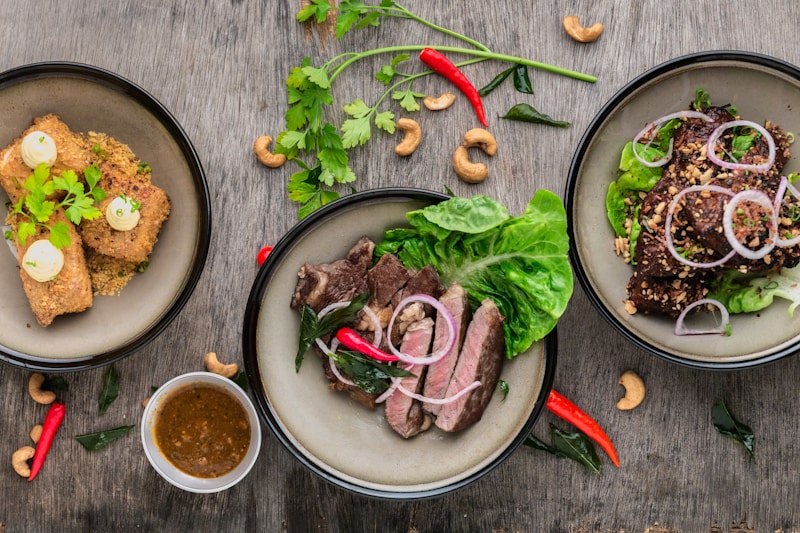
Take a Street Food Tour
Discover authentic local flavors through street vendors.
At a Glance
$30+
3-4 hours
Bangkok, Mexico City, Marrakech, Istanbul
Year-round
About This Experience
Street food tours reveal the authentic culinary soul of a city in ways that restaurant dining simply cannot replicate. Following knowledgeable guides through bustling markets, narrow alleys, and vendor-lined streets introduces you to flavors perfected over generations, prepared by specialists who may have spent their entire lives mastering a single dish. This immersion into local food culture provides context, history, and access that independent exploration rarely achieves, while the cumulative effect of sampling multiple dishes creates a comprehensive portrait of regional cuisine. The world's great street food cities each offer distinct experiences. Bangkok's streets pulse with vendors serving pad thai in blackened woks, som tam pounded fresh in wooden mortars, and satay grilled over charcoal flames. The city's food culture operates around the clock, with morning markets giving way to lunch crowds and eventually the famous night food streets where locals gather after dark. A guided tour navigates this complexity, identifying the best vendors among thousands, explaining unfamiliar ingredients, and ensuring you experience the full range of Thai flavors—the interplay of sweet, sour, salty, and spicy that defines the cuisine. Mexico City's street food scene rivals any in the world, with taquerías on every corner and specialized vendors focusing on single preparations. A tour might begin at a morning market sampling fresh fruit with chile and lime, progress to tacos al pastor carved from rotating spits inspired by Lebanese shawarma, then continue through carnitas stands, pozole vendors, and eventually conclude with late-night quesadillas filled with mysterious but delicious organ meats and mushrooms. The tour reveals how Mexican cuisine extends far beyond the Tex-Mex many visitors know, with subtle regional variations and preparations that have developed over millennia. Marrakech's medina presents a labyrinthine food adventure where vendors serve tagines bubbling over charcoal, harira soup ladled from massive pots, and freshly fried sfenj donuts dusted with sugar. Navigating these ancient streets independently often overwhelms visitors, making guided tours particularly valuable for finding the best stalls hidden within the maze. Tours explain the spice combinations that define Moroccan cuisine, identify unusual ingredients, and provide cultural context for eating customs and traditions. Istanbul straddles two continents, and its street food reflects this position as historical crossroads. Guided tours explore the fish sandwich boats of Eminönü, the kokoreç (grilled intestine) stands of Beyoğlu, the simit carts found on every corner, and the pudding shops serving traditional Turkish desserts. The cuisine layers Ottoman, Greek, Armenian, and Arab influences, with each dish carrying centuries of culinary evolution. What distinguishes guided food tours from independent exploration goes beyond mere logistics. Guides maintain relationships with vendors, often unlocking access to behind-the-counter experiences where you watch food prepared or even participate in making it yourself. They explain food safety considerations, identifying which stalls maintain high standards and which to avoid—crucial knowledge in places where food handling practices differ from Western norms. They translate menus and mediate orders, ensuring you receive authentic preparations rather than versions dumbed down for foreign palates. The social dimension of food tours creates unexpected connections. Walking and eating with fellow food-curious travelers generates camaraderie, and sharing reactions to unfamiliar flavors sparks conversations that wouldn't happen in formal dining settings. Vendors often engage more warmly with guided groups, sometimes offering samples or demonstrations beyond the standard tour. The experience becomes as much about human connection as culinary discovery. Practical considerations enhance any food tour experience. Arriving hungry seems obvious but bears emphasizing—tours typically include six to twelve stops, and pacing requires restraint at early stations to leave room for discoveries ahead. Wearing comfortable shoes matters enormously, as tours often cover several kilometers on foot. Modest, respectful clothing helps in conservative areas. Informing guides of allergies or restrictions at the outset allows them to adjust itineraries and identify alternatives. Choosing the right tour requires research. The best operators employ guides with genuine food expertise—often former chefs, food writers, or locals with deep personal connections to their city's cuisine. Group sizes affect intimacy, with smaller tours (under twelve people) allowing more interaction and flexibility. Evening tours often access night markets and late-night vendors unavailable during daytime hours. Some tours focus on specific neighborhoods or cuisines rather than attempting comprehensive overview, allowing deeper exploration of particular traditions. The culinary education gained on food tours extends beyond the experience itself. Learning what distinguishes good from great versions of regional dishes sharpens your palate for future travels. Understanding ingredient combinations provides templates for home cooking experimentation. Observing cooking techniques—the heat management, the timing, the practiced movements—reveals skills developed over lifetimes that cookbooks cannot convey. Street food also challenges and expands culinary comfort zones in ways that restaurant dining rarely does. Encountering unfamiliar ingredients, unconventional preparations, and unknown combinations pushes boundaries while the tour context provides safety net. Guides explain what you're eating, prepare you for unusual textures or flavors, and share their own experiences trying new things. This supported adventurousness often leads to discovering foods that become personal favorites—dishes you'd never have ordered independently but now seek out wherever you travel.
Cost Breakdown
Estimated costs can vary based on location, season, and personal choices.
Budget
Basic experience, economical choices
Mid-Range
Comfortable experience, quality choices
Luxury
Premium experience, best options
Difficulty & Requirements
Perfect for beginners. Minimal preparation needed.
Physical Requirements
Walking
Prerequisites
- Adventurous palate
Tips & Advice
Bangkok and Mexico City are legendary
Go with empty stomachs
Night markets offer different experiences
Ask guides about food safety
Try things you can't pronounce
Related Topics
Community Discussion
Ask questions, share tips, or read experiences from others.
View Discussions Start DiscussionShare This Experience
Quick Summary
- Category Food & Drink
- Starting Cost $30
- Time Needed 3-4 hours
- Best Season Year-round
- Difficulty Easy
You Might Also Like
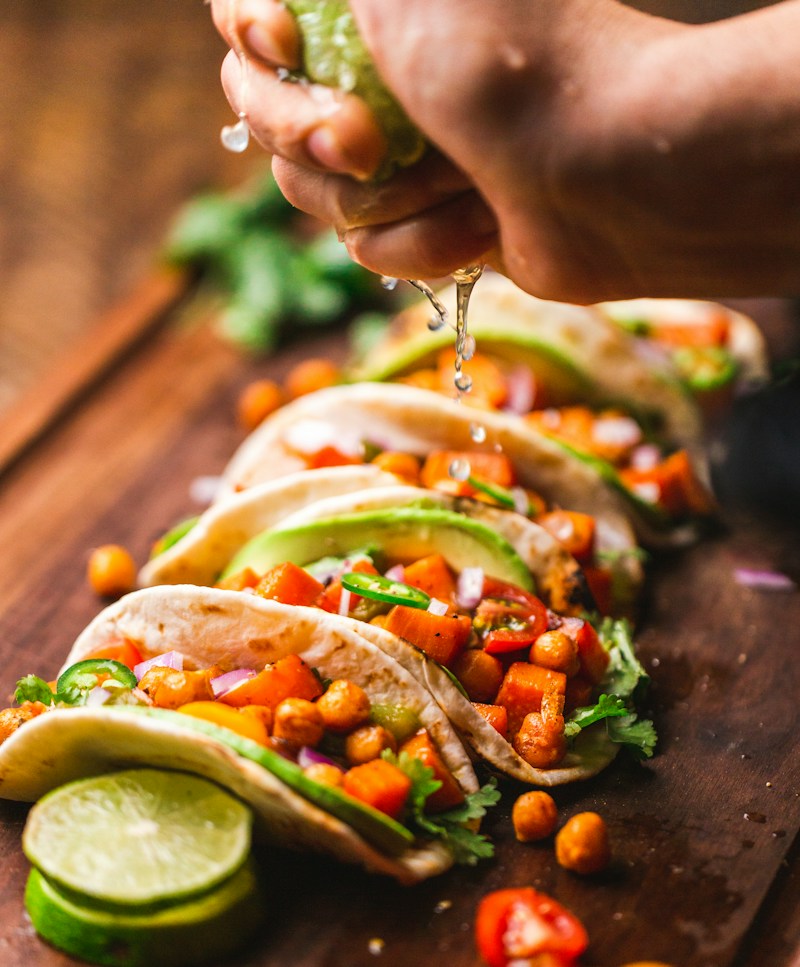
Take a Taco Tour in Mexico City
Explore the incredible diversity of Mexican tacos.
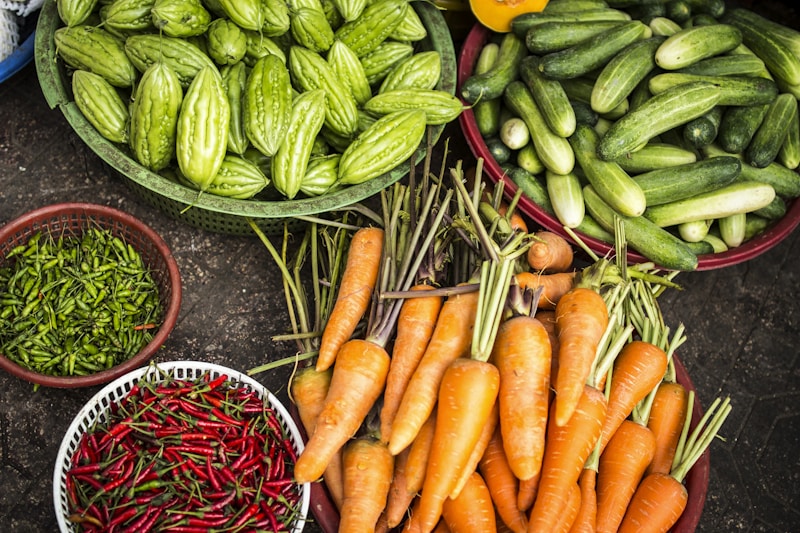
Have a Farm-to-Table Experience
Dine on food harvested from the farm around you.
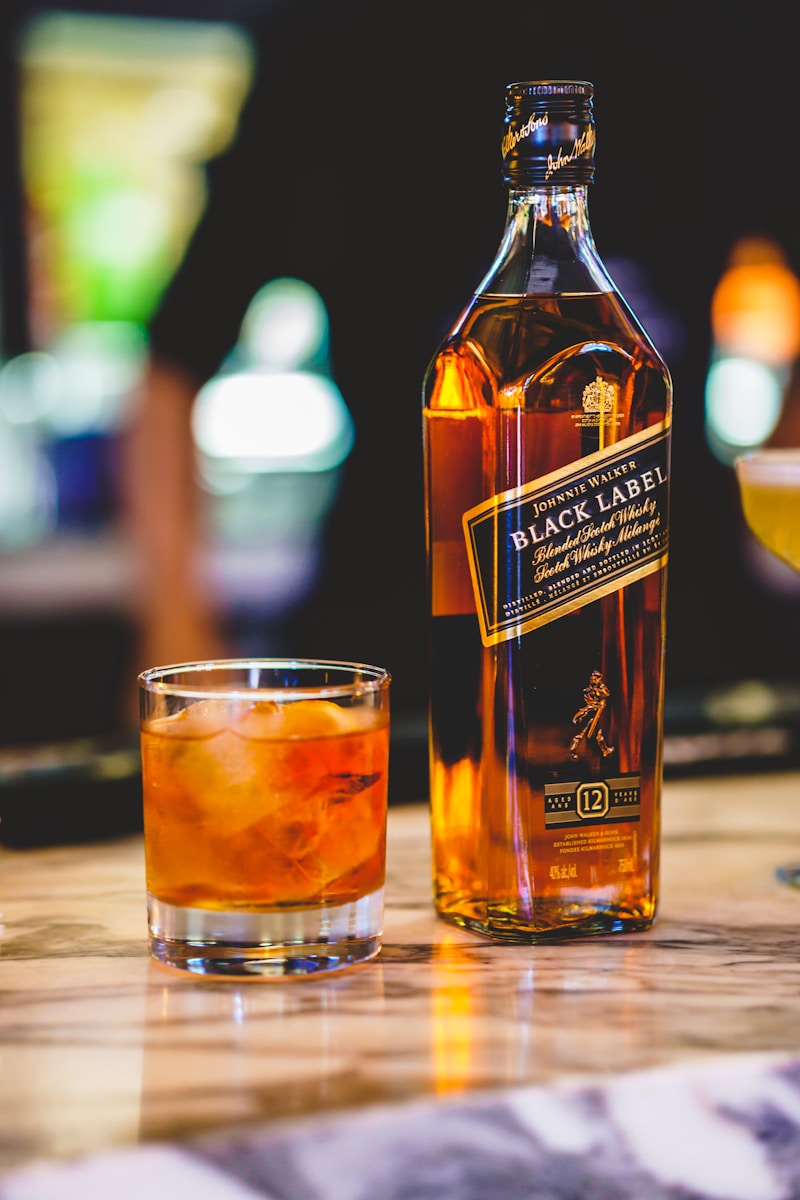
Tour the Kentucky Bourbon Trail
Visit legendary bourbon distilleries in their homeland.
Eat Authentic Ramen in Japan
Slurp perfect ramen in its homeland.