Walk the Camino de Santiago
From $1.5k

Walk the Camino de Santiago
Complete the ancient pilgrimage across northern Spain.
At a Glance
$1.5k+
4-6 weeks for full Camino Francés
Spain (and France/Portugal for some routes)
April-June or September-October
About This Experience
The Camino de Santiago has drawn pilgrims for over a thousand years, their footsteps wearing paths across northern Spain to the cathedral in Santiago de Compostela where tradition holds that the apostle Saint James lies buried. But you don't need to be religious to walk this route—in recent decades, the Camino has attracted seekers of all kinds: those processing grief or transition, those seeking physical challenge, those wanting extended solitude or community, those simply curious about what five weeks of daily walking might reveal. Whatever brings you to the Camino, the walk itself transforms the experience into something larger than its component days. The Camino Francés, the most popular route, stretches nearly 800 kilometers from Saint-Jean-Pied-de-Port in the French Pyrenees to Santiago. Other routes—the Camino Portugués from Lisbon or Porto, the Camino del Norte along the Basque and Asturian coast, the Camino Primitivo through mountainous terrain, the Via de la Plata from Seville—offer alternatives that vary in distance, difficulty, and popularity. All converge on Santiago, but each journey differs completely based on route, season, and the walker's own approach. The daily rhythm becomes meditative. Wake early in an albergue (pilgrim hostel), pack your bag, walk 20-30 kilometers across varied terrain, arrive at the next town, find accommodation, eat, sleep, repeat. This simplification—reducing life to walking, eating, sleeping—creates mental space that modern existence rarely allows. The Camino's gift is not primarily the destination but the months afterward when that walking rhythm continues to shape thought patterns. The physical demands are real and should not be underestimated. Thirty to forty days of continuous walking requires preparation most sedentary office workers lack. Blisters, tendinitis, and joint problems sideline unprepared pilgrims regularly. Starting training months before departure, with gradually increasing distances and the actual pack weight you'll carry, proves essential. Many pilgrims who skip this preparation don't finish, their journeys ending at clinics rather than cathedrals. The Camino community creates connection that surprises solitary travelers. You walk at your own pace, alone with your thoughts, but you keep encountering the same faces—at meals, at albergues, along the path. These recurring encounters build relationships without the artificial intensity of immediate friendship. By Santiago, you've developed bonds with people you barely knew existed a month ago. The Camino creates tribe through shared experience. The infrastructure supporting pilgrims has developed over centuries. The albergues, ranging from municipal hostels to upscale private accommodations, provide beds for €5-30 per night. The yellow arrows and scallop shell symbols marking the route make navigation nearly foolproof on the main Camino Francés, though secondary routes require more attention. The pilgrim credential (passport) collects stamps at each stop, proving you've walked or cycled the required minimum 100 kilometers (or 200 by bicycle) to earn the Compostela certificate at journey's end. The landscape varies dramatically along the Camino Francés. The Pyrenees crossing on day one establishes the pilgrimage's physical seriousness—a significant ascent that can be brutal in bad weather. The Meseta, the flat central plateau, tests pilgrims with monotonous terrain and psychological challenge; many find this section the Camino's spiritual heart despite (or because of) its apparent emptiness. Galicia's green hills and eucalyptus forests announce the approach to Santiago, the final days a countdown to completion. The religious elements remain available to those who want them. Churches along the route welcome pilgrims; mass is offered in most towns. The pilgrims' blessing received upon arrival at Santiago's cathedral maintains traditions stretching back to the medieval pilgrimage. But many modern pilgrims engage with none of this, their journeys entirely secular. The Camino accommodates both orientations without judgment. The arrival at Santiago culminates one journey but begins another—the question of how to integrate this experience into ordinary life. The cathedral's massive facade, the final mass, the embrace of the Santiago botafumeiro (giant incense burner)—these mark an ending. But the Camino's effects often emerge in the weeks and months afterward, as the simplicity of walking reveals by contrast the complexity of normal existence. The challenge of returning may be the Camino's final teaching. You can't walk forever; the path ends. But you can carry the Camino's lessons—about pace, about simplicity, about the power of continuous small steps—back into a life that doesn't resemble the trail at all. Many pilgrims walk multiple times, seeking to recapture something that can't be captured but somehow keeps calling them back.
Cost Breakdown
Estimated costs can vary based on location, season, and personal choices.
Budget
Basic experience, economical choices
Mid-Range
Comfortable experience, quality choices
Luxury
Premium experience, best options
Difficulty & Requirements
Challenging. Significant preparation and commitment required.
Physical Requirements
Excellent - walking 15-25km daily for weeks
Prerequisites
- Break in hiking boots beforehand
- Get pilgrim credential (passport)
Tips & Advice
Start training months before
Pack light - you'll regret every extra gram
Stay in albergues for the social experience
The last 100km is most crowded
Consider lesser-known routes like Camino del Norte
Related Topics
Community Discussion
Ask questions, share tips, or read experiences from others.
View Discussions Start DiscussionShare This Experience
Quick Summary
- Category Travel
- Starting Cost $1.5k
- Time Needed 4-6 weeks for full Camino Francés
- Best Season April-June or September-October
- Difficulty Difficult
Explore More
You Might Also Like
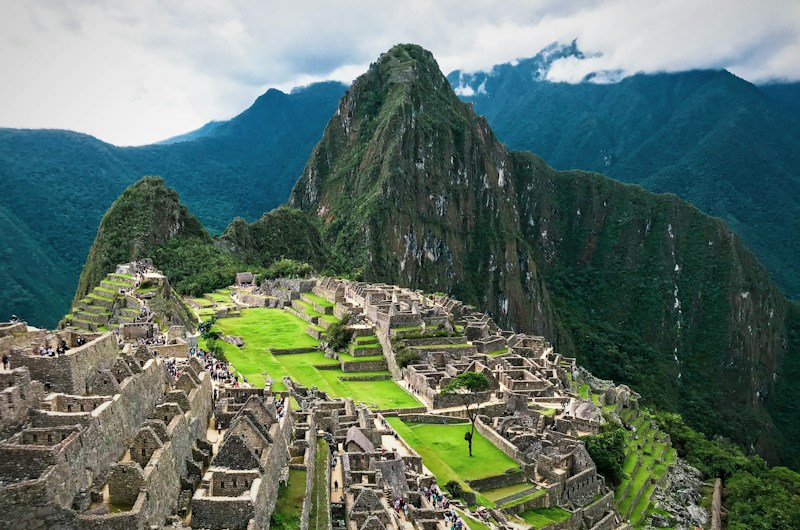
Visit Machu Picchu
Explore the ancient Incan citadel perched high in the Andes Mountains.
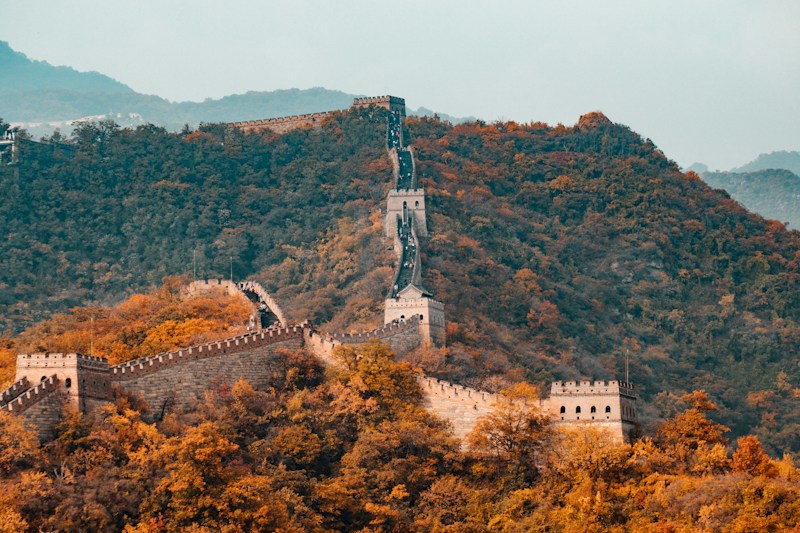
Walk the Great Wall of China
Trek along one of the world's most impressive architectural feats.
Trek Through Patagonia
Explore the wild, windswept landscapes at the end of the world.
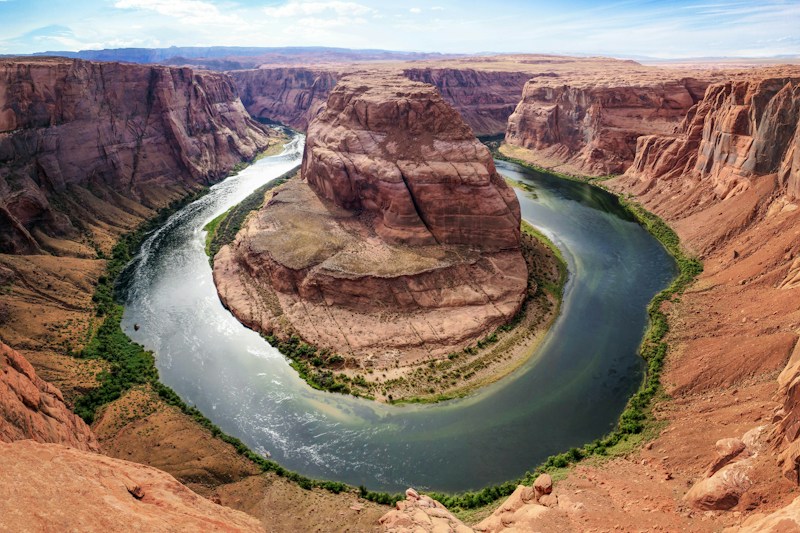
Stand at the Grand Canyon
Marvel at one of Earth's most awe-inspiring natural wonders.