Walk the Great Wall of China
From $1.2k
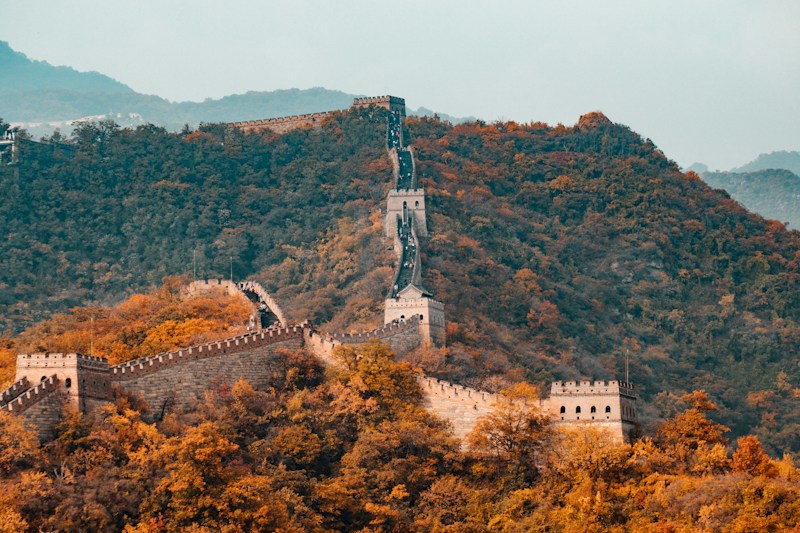
Walk the Great Wall of China
Trek along one of the world's most impressive architectural feats.
At a Glance
$1.2k+
1-2 days for section, 2 weeks for extended trek
Northern China
April-May or September-October
About This Experience
The Great Wall of China stands as humanity's most ambitious construction project—a fortification spanning over 13,000 miles that took more than 2,000 years to build, claimed countless lives in its construction, and ultimately failed to prevent the invasions it was designed to stop. Yet walking along its serpentine path through mountains and valleys, watching it disappear into the haze of distant ridges, you understand why it captivates the imagination: this is human determination made tangible, stretching to the horizon in both directions. The wall is not a single structure but a series of walls built by successive dynasties, each adding their own sections. The earliest walls date to the 7th century BC, built by individual states to protect their territories. After Qin Shi Huang unified China in 221 BC, he connected and extended these walls to defend against northern nomads. Later dynasties—particularly the Han and Ming—continued the work. The Ming Dynasty walls, built from the 14th to 17th centuries, are what most visitors see today: the dramatic stone fortifications with watchtowers that define the popular image. Choosing where to walk the wall requires understanding the options. Badaling, closest to Beijing and fully restored, draws massive crowds who shuffle along together with little sense of history. Mutianyu, also restored but less crowded, offers a pleasant experience with cable cars for those who want to minimize hiking. But for those seeking the authentic experience of walking the Great Wall as it has existed for centuries, the wilder sections beckon. Jinshanling and Jiankou represent the wall experience most serious travelers seek. These sections remain partially unrestored, with crumbling watchtowers, overgrown paths, and stretches where the wall is little more than rubble. Here you can walk for hours in relative solitude, scrambling over rocks, ducking through windows in ancient watchtowers, feeling the texture of history beneath your hands. The wall here follows the mountainous terrain with dramatic climbs and descents that test your endurance while rewarding you with commanding views. The engineering achievement deserves contemplation. The wall averages 25 feet high and 15 to 30 feet wide at the base, tapering toward the top. It's built of whatever materials were locally available: stone in the mountains, rammed earth in the plains, brick where kilns could be established. The logistics of construction—quarrying stone, firing bricks, transporting materials up precipitous mountains, feeding and organizing hundreds of thousands of laborers—staggers comprehension. Estimates suggest that millions died during construction, their bodies sometimes incorporated into the wall itself. The watchtowers, spaced at intervals visible from one to the next, served as communication hubs. Soldiers used smoke signals by day and fire by night to relay messages along the wall's length, reportedly able to transmit warnings 470 miles in just 24 hours. Each tower could house soldiers, store weapons and supplies, and serve as an elevated fighting platform. Walking between towers, climbing their internal stairs, looking through their windows at the landscape your ancient counterparts surveyed—this is time travel of a tangible sort. The wall passes through remarkably diverse terrain. From the coast at Shanhaiguan, where it meets the Bohai Sea, it climbs through the mountains north of Beijing, crosses the deserts of Inner Mongolia and Gansu, and terminates at Jiayuguan in the Gobi Desert. Each region offers different experiences: the dramatic mountain sections near Beijing are most popular, but the desert sections, where the wall is often reduced to earthen mounds, convey the vast ambition of the project in a different way. A multi-day trek along the wall provides the deepest experience. Several sections allow camping, either wild or at basic guesthouses in villages along the route. Walking from Jinshanling to Simatai, for example, takes you through restored and wild sections, past watchtowers with views extending to distant mountains, along stretches where you're entirely alone with history. The physical challenge—steep climbs, uneven surfaces, exposure to weather—enhances the sense of achievement and connection to those who walked these same stones centuries ago. The Great Wall raises profound questions about human nature. It was built to keep out the "barbarians," yet the Mongols eventually conquered China anyway, not by breaching the wall but by simply bribing a general to open the gates. The Ming Dynasty, which built the most impressive sections, was eventually overthrown by the Manchus, who also entered through treachery rather than force. The wall stands as a monument to both human capability and human futility—our ability to dream and build on an enormous scale, and the ultimate inadequacy of walls to solve the problems we fear. Today, the wall faces threats from erosion, development, and tourism itself. Some sections have been "restored" in ways that erase historical character, while others crumble from neglect. Conservation efforts struggle to balance preservation with access. When you walk the wall, particularly the wilder sections, you're experiencing something that may not exist in the same form a generation hence. Standing on the Great Wall at sunrise, watching the light illuminate ridge after ridge of mountains with this impossible structure tracing their contours, you feel something that transcends tourism. This is where humanity decided to reshape the earth itself, where millions labored and died for an emperor's vision of security. The wall failed as a military installation but succeeded as a monument to human ambition. Walking it, you become briefly part of that story, your footsteps joining those of soldiers, workers, traders, and travelers across millennia.
Cost Breakdown
Estimated costs can vary based on location, season, and personal choices.
Budget
Basic experience, economical choices
Mid-Range
Comfortable experience, quality choices
Luxury
Premium experience, best options
Difficulty & Requirements
Requires some preparation, skills, or resources.
Physical Requirements
Good fitness - steep sections with uneven steps
Prerequisites
- Chinese visa
- Comfortable hiking shoes
Tips & Advice
Visit Jinshanling or Jiankou for fewer crowds
Avoid summer heat and winter cold
Bring plenty of water
Start early morning
Consider a multi-day hiking tour
Related Topics
Community Discussion
Ask questions, share tips, or read experiences from others.
View Discussions Start DiscussionShare This Experience
Quick Summary
- Category Travel
- Starting Cost $1.2k
- Time Needed 1-2 days for section, 2 weeks for extended trek
- Best Season April-May or September-October
- Difficulty Challenging
You Might Also Like
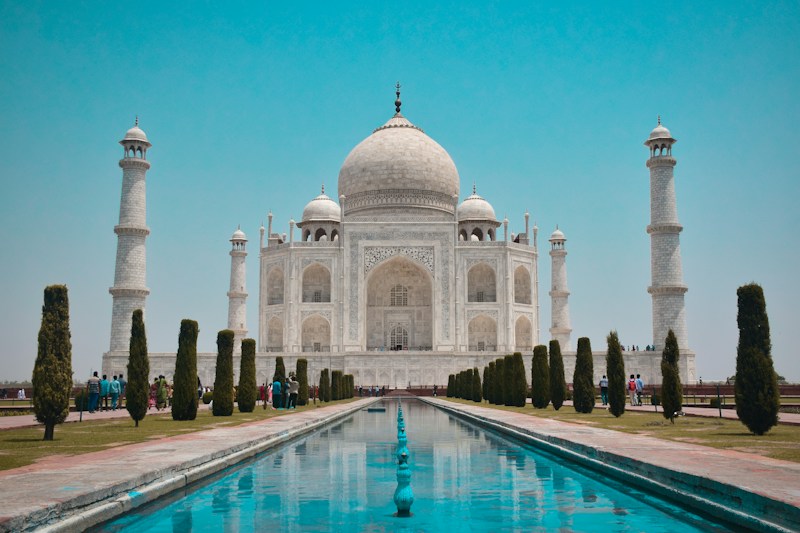
Visit the Taj Mahal
Witness the world's most beautiful monument to love at sunrise.
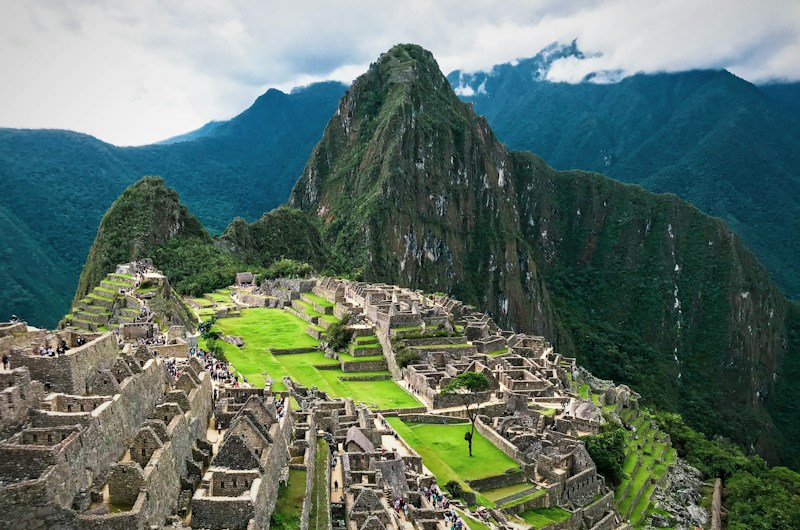
Visit Machu Picchu
Explore the ancient Incan citadel perched high in the Andes Mountains.

Visit Petra, Jordan
Discover the ancient rose-red city carved into desert cliffs.
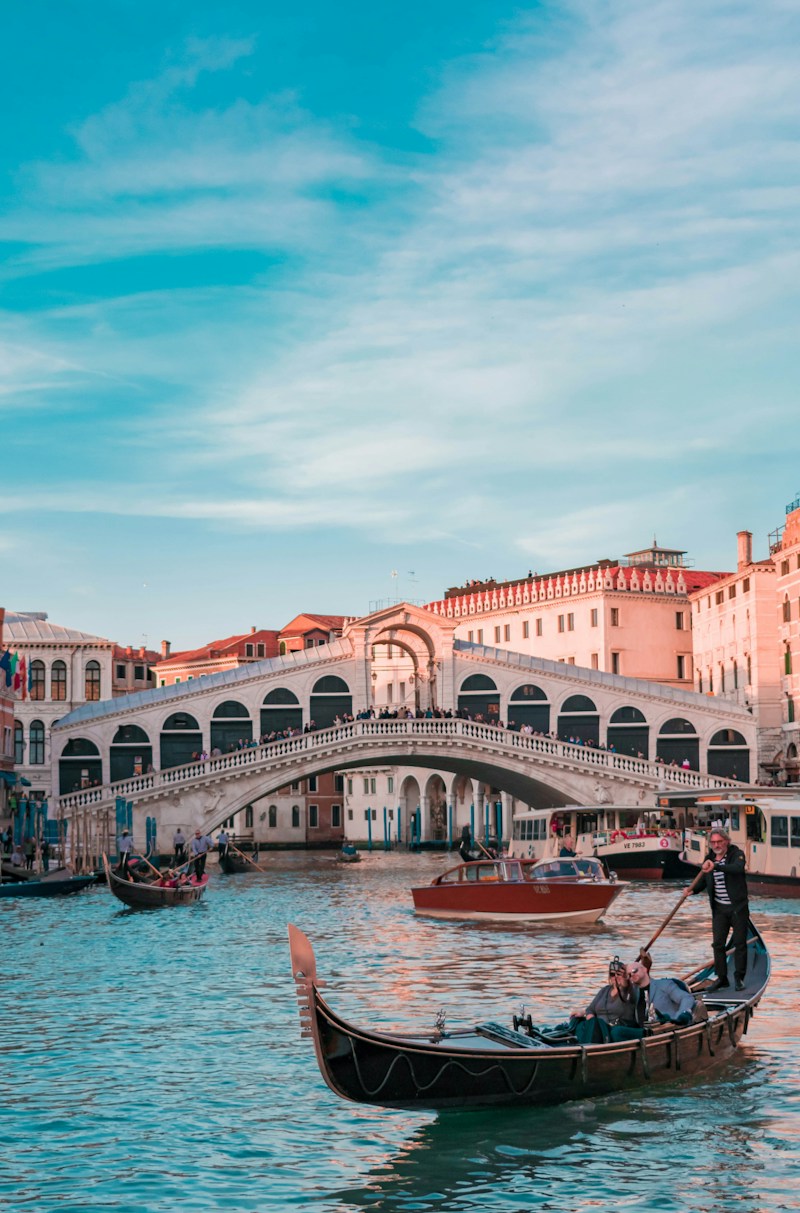
Get Lost in Venice
Wander the enchanting canals and hidden squares of the floating city.