Catch and Cook Your Own Fish
From $50
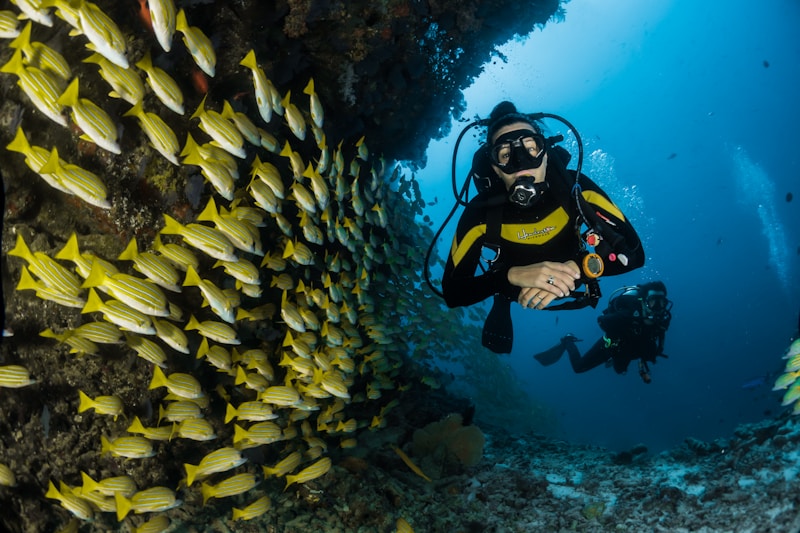
Catch and Cook Your Own Fish
Experience the full journey from water to plate.
At a Glance
$50+
Half to full day
Fishing season
About This Experience
Catching a fish and cooking it yourself completes a circuit that most modern eating has broken, connecting you to primal sustenance in ways that grocery shopping can never replicate. The freshness of fish eaten within hours of being alive transcends anything commercially available, while the satisfaction of providing your own food taps into instincts that have driven humans for hundreds of thousands of years. This experience, accessible to anyone willing to learn basic fishing skills, represents one of the most immediate paths to understanding where food truly comes from. The freshness difference between just-caught fish and commercially available seafood startles first-time experiencers. Fish begins deteriorating the moment it dies, enzymes breaking down flesh, bacteria multiplying, flavors shifting from sweet ocean to fishy off-notes. Commercial distribution, even at its best, takes days from catch to consumption. Fish you caught this morning, kept cold, and cooked this evening occupies an entirely different category—firm-fleshed, sweet-tasting, with clean ocean flavor that reveals what seafood should be but rarely is. The fishing itself provides experience that transcends mere food procurement. The patience required, the reading of water and weather, the sudden excitement when a fish strikes, the physical contest of landing your catch—these elements combine into engagement with the natural world impossible to achieve through passive observation. Whether fishing from shore, wading into rivers, or heading offshore on boats, the activity demands presence and attention that quiets the mental chatter of daily life. Basic fishing skills prove surprisingly accessible to beginners. Local guide services specialize in introducing newcomers, providing equipment, instruction, and access to productive waters. Charter boats handle the logistics, taking you where fish are and helping you catch them. Fishing lodges cater to beginners and experts alike, with staff dedicated to ensuring everyone catches something regardless of experience level. The barrier to entry, while not zero, ranks far lower than many assume. Cleaning and preparing your catch completes the educational circuit. Learning to gut, scale, and fillet fish demystifies the process while providing practical skills that improve future fish purchasing—you learn to recognize freshness, understand which cuts come from where, and appreciate the labor behind the neat fillets displayed at fish counters. Many guides and charters will clean your catch, but requesting to participate or learn transforms the experience from service consumption to skill acquisition. Cooking fish you've caught requires minimal intervention if freshness is genuine. Simple preparations—pan-frying in butter, grilling with lemon and herbs, roasting whole with aromatics—highlight the fish itself rather than masking deficiencies that complicated preparations often address. The confidence to cook simply, trusting ingredient quality to carry the dish, develops naturally when you know exactly how fresh your fish is and where it came from. The locations offering catch-and-cook experiences span the globe. Alaska's salmon runs provide abundant opportunities for first-time fishers to land significant fish. Florida's flats fishing targets bonefish and permit that fight dramatically before becoming dinner. The Mediterranean coastline offers small-boat experiences catching fish you'll eat at tavernas that night. Even urban areas often have surprising fishing access within short drives, with guides who know productive local spots. The ethical dimensions of fishing, often overlooked in food ethics discussions focused on factory farming, deserve consideration. Wild fish live natural lives until the moment of capture, avoiding the confinement and suffering that industrial meat production entails. Sustainable fisheries management, when properly enforced, allows fish populations to thrive indefinitely. Understanding these dynamics, and choosing to fish in well-managed waters, positions catch-and-cook as an ethical food choice rather than environmental crime. The experience often catalyzes deeper engagement with fishing and fish cookery. What begins as bucket-list item may develop into regular practice—weekend fishing trips, investment in personal equipment, expanding species knowledge, developing cooking repertoires for different catches. The combination of outdoor engagement, skill development, and exceptional eating creates satisfying cycle that rewards continued participation.
Cost Breakdown
Estimated costs can vary based on location, season, and personal choices.
Budget
Basic experience, economical choices
Mid-Range
Comfortable experience, quality choices
Luxury
Premium experience, best options
Difficulty & Requirements
Accessible for most people with basic planning.
Physical Requirements
Fishing ability or willingness to learn
Prerequisites
- Fishing license
- Basic fishing skills or guide
Tips & Advice
Charter boats often clean your catch
Learn to fillet - it's a valuable skill
Simple preparations highlight freshness
Catch-and-cook experiences are offered in many places
Nothing tastes like fish just caught
Related Topics
Community Discussion
Ask questions, share tips, or read experiences from others.
View Discussions Start DiscussionShare This Experience
Quick Summary
- Category Food & Drink
- Starting Cost $50
- Time Needed Half to full day
- Best Season Fishing season
- Difficulty Moderate
You Might Also Like
Host a Dinner Party for 10+ People
Plan and execute an ambitious dinner for a crowd.
Dine at a Michelin-Starred Restaurant
Experience haute cuisine at its finest.
Make Fresh Pasta in Italy
Learn to make pasta by hand with Italian nonnas.
Wine Tasting in Napa Valley
Sample world-class wines in California's premier wine region.