Make Fresh Pasta in Italy
From $50
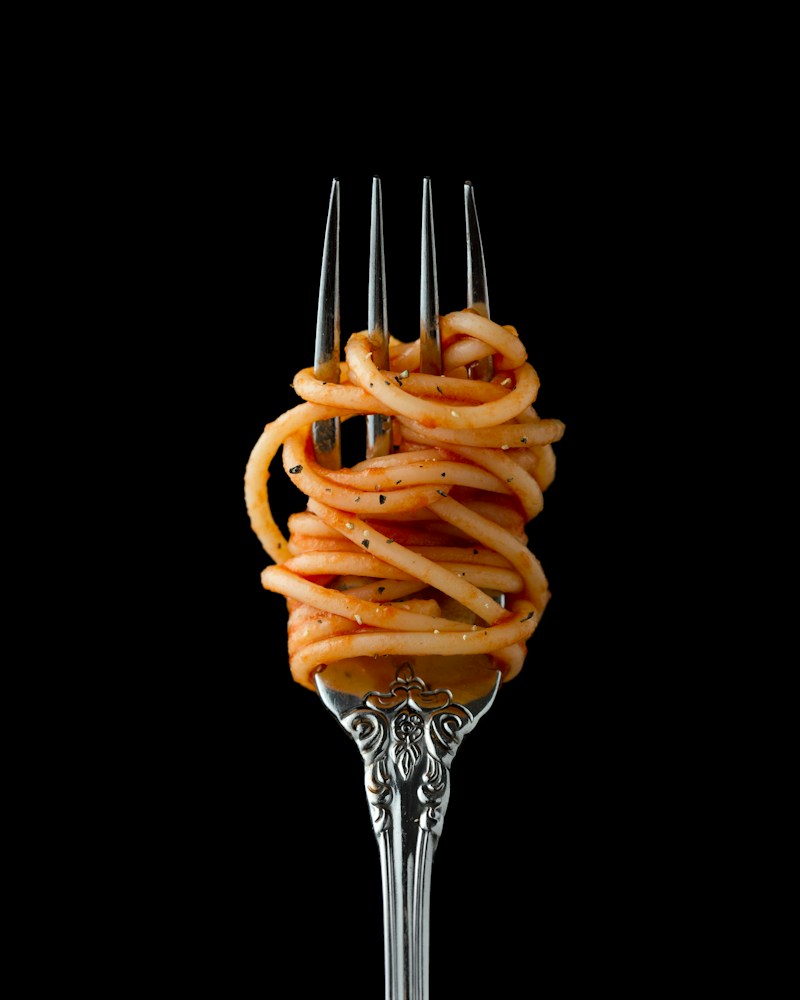
Make Fresh Pasta in Italy
Learn to make pasta by hand with Italian nonnas.
At a Glance
$50+
3-4 hours
Italy (Bologna, Tuscany, Rome)
Year-round
About This Experience
Making fresh pasta in Italy connects you to one of humanity's most satisfying culinary traditions, transforming simple ingredients—flour and eggs—into silken sheets and delicate shapes through techniques refined over centuries. While pasta exists in cuisines worldwide, Italy elevated it to art form, with regional variations so distinct that each valley and village claims its own specialties, shapes, and sauces passed down through generations of home cooks and grandmothers who learned at their own grandmothers' elbows. The magic of Italian pasta-making lies in its deceptive simplicity. The basic recipe requires only "00" flour, eggs, a pinch of salt, and perhaps a drizzle of olive oil. Yet from these humble ingredients emerge endless possibilities—tagliatelle and pappardelle, tortellini and ravioli, orecchiette and trofie—each shape designed to embrace specific sauces and ingredients. Learning to make pasta in Italy means understanding why certain shapes evolved alongside certain condiments, how the rough texture of bronze-extruded pasta catches sauce differently than smooth, and why fresh pasta behaves entirely differently from the dried varieties lining grocery store shelves worldwide. Bologna, the gastronomic capital of Emilia-Romagna, has earned its reputation as Italy's pasta heartland. Here, tagliatelle al ragù (never called "Bolognese" by locals) achieves perfection through meat sauce slow-simmered for hours paired with golden egg pasta cut to precise seven-millimeter widths. Tortellini, those delicate belly-button-shaped dumplings filled with mortadella and Parmigiano-Reggiano, were supposedly inspired by Venus's navel as glimpsed by an innkeeper through a keyhole. Taking a cooking class in Bologna immerses you in this rich tradition, often in the homes of sfogline—the women whose life's work is rolling pasta paper-thin with massive wooden mattarelli (rolling pins). Tuscany offers its own pasta traditions, with pici—thick, hand-rolled strands resembling fat spaghetti—serving as the region's signature shape. In Siena and surrounding hill towns, cooking classes teach the simple technique of rolling dough between your palms to create these rustic strands, typically served with aglione (garlic tomato sauce) or cacio e pepe. The region's emphasis on simplicity and quality ingredients shines through every dish, demonstrating how perfect execution of basic preparations trumps complex techniques. Southern Italian pasta traditions diverge from the egg-rich north, with many shapes made from only semolina flour and water. Puglia's orecchiette ("little ears") require nothing more than semolina, water, and the skill to press and drag each piece with your thumb against wooden boards, creating the concave shapes that cradle broccoli rabe and anchovies. Learning these techniques reveals how Italian regional cuisines adapted to local ingredients—eggs abundant in the wealthy north, harder durum wheat thriving in the sunny south. A typical Italian cooking class begins with understanding your ingredients. The flour matters enormously—"00" refers to the finest grind, creating silky dough that rolls impossibly thin. Eggs should be deeply yellow-yolked, often from pasture-raised chickens whose diet produces intense color and flavor. Instructors emphasize the well technique: mounding flour, creating a crater, cracking eggs into the center, then gradually incorporating flour with a fork until shaggy dough forms. What follows is the meditation of kneading—ten minutes of pressing, folding, and turning until dough transforms from rough to satiny, springs back when poked, and feels alive under your hands. Rolling pasta by hand demands patience and developing feel for the dough. Traditional sfogline use massive wooden rolling pins on wooden boards, the porous surfaces creating texture that helps sauce cling. The goal is sheets thin enough to read newspaper through, yet sturdy enough to cut or fill without tearing. Achieving this requires technique refined through repetition—rolling from center outward, rotating the sheet, maintaining even pressure, stretching gently as you roll. Most classes allow students to attempt this tradition while also demonstrating pasta machines for those who prefer mechanical assistance. Beyond technique, Italian cooking classes teach the philosophy underlying the cuisine. Pasta course portions remain modest compared to American servings, functioning as primo (first course) before secondo (meat or fish). Sauces coat rather than drown pasta—the pasta itself should shine, not merely serve as vehicle for sauce. Cooking pasta requires abundant salted water ("like the sea," instructors emphasize) and draining before fully cooked so pasta finishes in the sauce, absorbing flavors and binding with its starchy cooking water. Classes often extend beyond pasta itself into complete meals that contextualize your creations. You might prepare antipasti, learn to make ragù from scratch (a half-day project itself), create simple tomato sauces, or master classic preparations like carbonara or cacio e pepe. Many classes include market visits where instructors share how to select ingredients—how to identify fresh pasta eggs, smell ripe tomatoes, choose properly aged Parmigiano-Reggiano. The sensory experience of making pasta in Italy differs from any cooking class back home. Perhaps it's the flour itself, milled from Italian wheat and subtly different from foreign equivalents. Perhaps it's the eggs, their yolks impossibly orange from chickens scratching in Italian soil. Perhaps it's the water, the olive oil, the aged cheese grated fresh. Or perhaps it's simply the context—learning in homes and kitchens where these same movements have occurred for generations, where grandmothers' hands shaped the same forms on the same wooden boards. Taking these skills home transforms your kitchen. Fresh pasta requires only simple equipment—a rolling pin, a knife, and surface space. What seems intimidating becomes routine with practice, and the satisfaction of serving homemade tagliatelle or ravioli to friends and family connects you to traditions far older than restaurant dining. You'll find yourself craving the simple pleasure of flour-dusted hands and the quiet meditation of rolling dough, carrying a piece of Italy into your everyday life.
Cost Breakdown
Estimated costs can vary based on location, season, and personal choices.
Budget
Basic experience, economical choices
Mid-Range
Comfortable experience, quality choices
Luxury
Premium experience, best options
Difficulty & Requirements
Perfect for beginners. Minimal preparation needed.
Physical Requirements
None
Tips & Advice
Bologna is the pasta capital
Classes with home cooks are most authentic
You'll learn more than just pasta
Eat what you make - it's the best part
Fresh pasta is easier than you think
Related Topics
Community Discussion
Ask questions, share tips, or read experiences from others.
View Discussions Start DiscussionShare This Experience
Quick Summary
- Category Food & Drink
- Starting Cost $50
- Time Needed 3-4 hours
- Best Season Year-round
- Difficulty Easy
Explore More
You Might Also Like
Learn Sushi Making in Japan
Master the art of sushi with Japanese masters.
Take a Thai Cooking Class
Master the balance of Thai cuisine from local chefs.
Eat Pizza in Naples
Taste pizza in the city where it was invented.
Dine at a Michelin-Starred Restaurant
Experience haute cuisine at its finest.