Try Coasteering
From $50
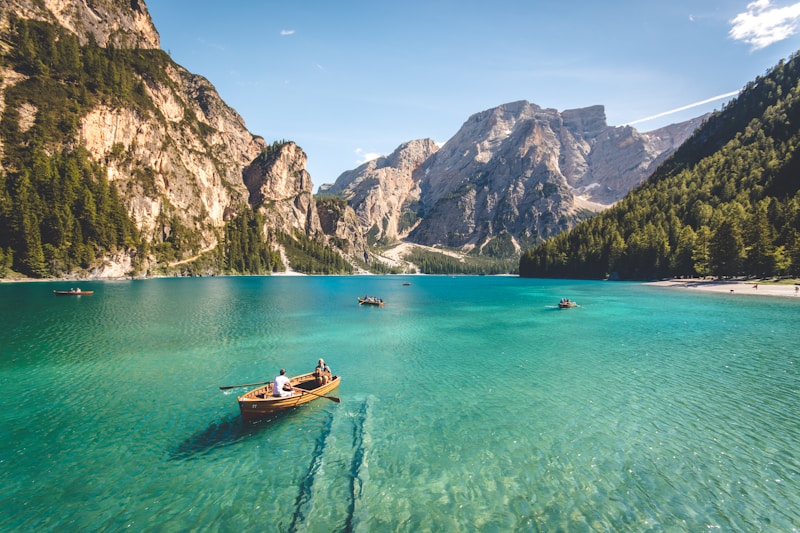
Try Coasteering
Navigate rocky coastlines by swimming, climbing, and jumping.
At a Glance
$50+
3-4 hours
Wales, Cornwall, Portugal, Croatia
Summer
About This Experience
Coasteering combines cliff jumping, swimming, rock scrambling, and cave exploration into a single activity that uses the coastline as playground rather than obstacle. Originating in Pembrokeshire, Wales, during the 1980s, the sport has spread to rocky coasts worldwide, offering participants the opportunity to engage with the meeting point of land and sea in the most direct way possible—by immersing themselves in the dynamic zone where waves crash, tides flow, and cliffs drop into deep water. The basic coasteering experience involves traversing a section of rocky coast using whatever means necessary: scrambling over boulders, jumping from ledges into deep pools, swimming through channels, and exploring sea caves when conditions permit. Guides know the coastline intimately—which jumps are safe at what tide levels, where caves open into spectacular chambers, which scrambles require technical climbing skills, and which routes suit participants of different abilities. This knowledge, accumulated over years of exploration, makes guided coasteering substantially safer than attempting to explore rocky coasts independently. The cliff jumping component provides the adrenaline spikes that punctuate the overall experience. Heights range from beginner-friendly 3-meter jumps to challenging 10-meter leaps for those with experience and confidence. The jumps are optional—participants can climb down alternative routes if particular heights feel excessive—but most people find themselves progressively attempting higher jumps as confidence builds through successful completions. The water entry technique matters: feet first, arms crossed, body straight, looking forward rather than down to maintain position. The swimming sections connect the rock features, sometimes across calm pools and sometimes through channels where swell surges create additional challenge. Wetsuits provide essential thermal protection and buoyancy assistance; the combination of wetsuit, helmet, and flotation vest makes coasteering accessible to swimmers who might struggle with long-distance open water efforts. Strong swimmers can assist weaker ones through difficult sections, and guides carry throw bags for rescue situations. The cave exploration adds elements of wonder that distinguish coasteering from simple cliff jumping. Sea caves along the Welsh, Cornish, and Portuguese coasts offer chambers with blow holes, subterranean pools, and bioluminescence in some locations. Swimming into darkness, guided by waterproof flashlights, then emerging into cathedral-like spaces illuminated by light filtering through underwater entrances, creates memories distinct from any land-based adventure. The Welsh coast, particularly around St. Davids in Pembrokeshire, offers the classic coasteering terrain. The Pembrokeshire Coast National Park provides hundreds of options along its length, with commercial operators offering trips suited to complete beginners through expert adventurers. The Celtic Sea provides relatively warm water by British standards, and the complex geology creates the caves, jumps, and swimming channels that define quality coasteering destinations. Cornwall extends the coasteering territory southward, with the Newquay area providing particularly popular options. The Portuguese coast, especially the Algarve region, offers warmer water and dramatic limestone formations. Croatia's Dalmatian coast combines Mediterranean warmth with complex rock features. Even relatively calm coasts can provide coasteering opportunities when the geology cooperates—sea caves and jumping rocks exist in locations that lack dramatic wave action. The physical demands include swimming endurance, the ability to climb wet, slippery rock, and sufficient courage to commit to jumps that instincts discourage. The combination creates a full-body workout that participants often feel for days afterward—muscles involved in scrambling and jumping receive stress that gym workouts rarely replicate. The mental aspect involves managing fear while maintaining the judgment to decline jumps that exceed your abilities; successful coasteering requires knowing your limits.
Cost Breakdown
Estimated costs can vary based on location, season, and personal choices.
Budget
Basic experience, economical choices
Mid-Range
Comfortable experience, quality choices
Luxury
Premium experience, best options
Difficulty & Requirements
Requires some preparation, skills, or resources.
Physical Requirements
Swimming, basic climbing ability
Prerequisites
- Comfortable in rough water
Tips & Advice
Pembrokeshire, Wales is the birthplace of coasteering
Wetsuits are essential for cold water
Guides know the safe jumps and swims
The combination of elements is what makes it special
Don't wear jewelry - it will be lost
Community Discussion
Ask questions, share tips, or read experiences from others.
View Discussions Start DiscussionShare This Experience
Quick Summary
- Category Adventure
- Starting Cost $50
- Time Needed 3-4 hours
- Best Season Summer
- Difficulty Challenging
You Might Also Like

Bungee Jump
Take the leap and freefall before bouncing back.
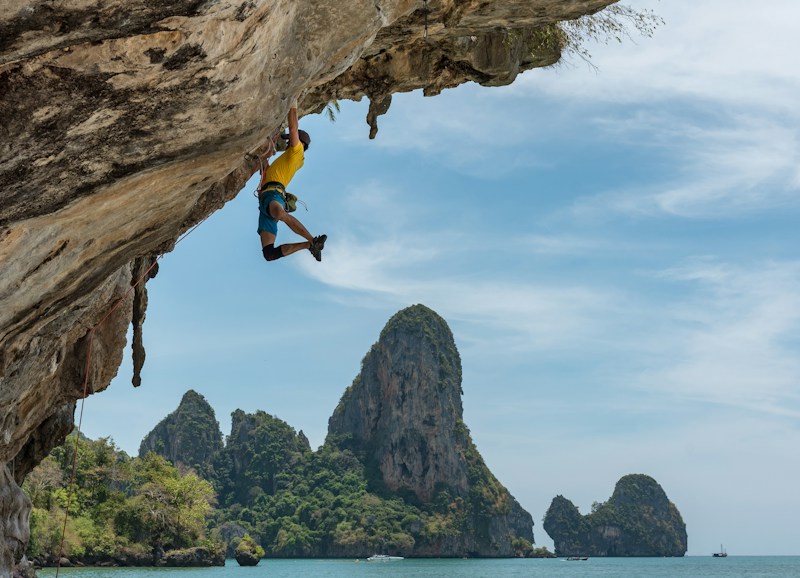
Learn Outdoor Rock Climbing
Scale real rock faces in nature's vertical playground.
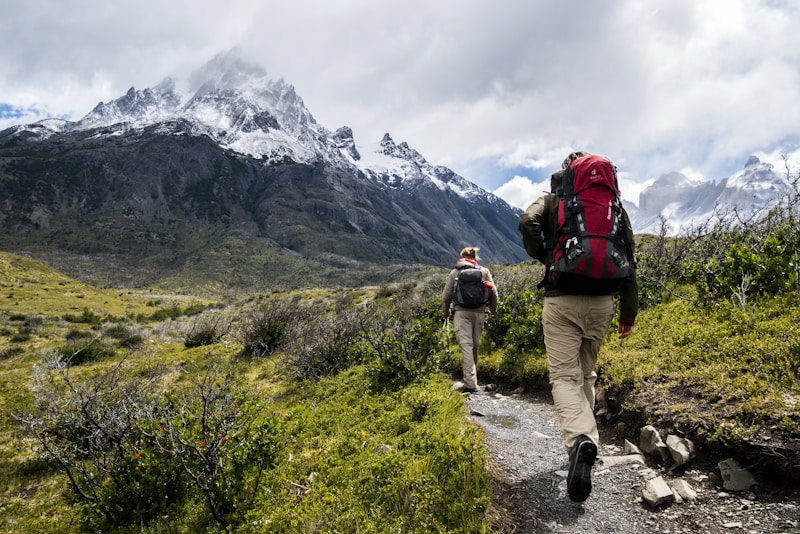
Climb a Via Ferrata
Traverse cliff faces on iron rungs and cables.

Swim in Bioluminescent Waters
Watch the water glow around you with each movement.