Learn Outdoor Rock Climbing
From $100
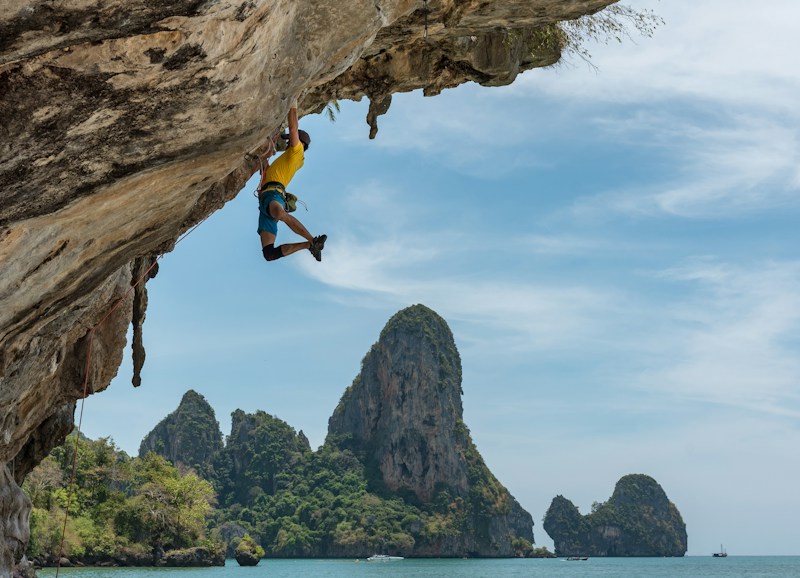
Learn Outdoor Rock Climbing
Scale real rock faces in nature's vertical playground.
At a Glance
$100+
Full day for intro
Joshua Tree, Red Rocks, Fontainebleau, Yosemite
Spring and fall
About This Experience
Outdoor rock climbing asks something different than any gym wall can replicate: reading natural stone, trusting holds that nature carved rather than engineers designed, finding routes that follow features millions of years in the making. Your fingers grip rock that has weathered since before humans existed; your body solves puzzles that no one installed bolt-by-bolt. The summit or anchor you reach isn't the end of an artificial exercise—it's a position in the natural world that required skill, strength, and judgment to attain. That difference transforms climbing from workout to adventure. The transition from gym to outdoor requires more than just courage. Indoor climbing presents clearly marked holds, controlled falls onto soft mats, and routes designed for fairness. Outdoor climbing offers ambiguity: which holds are good and which will break? Where does the route actually go? How do you protect yourself against falls onto ledges, into corners, or onto the ground? The equipment (harness, rope, protection devices, helmet) remains similar, but the application demands knowledge that indoor climbing doesn't teach. For this reason, most climbers make the transition with guidance—either from experienced partners or hired guides. The disciplines within outdoor climbing create different experiences. Sport climbing follows routes with pre-installed bolts where climbers clip their rope as they ascend; the focus is pure difficulty, the protection already established. Traditional (trad) climbing requires placing your own protection—camming devices and nuts slotted into cracks—demanding judgment about what will hold and what won't. Bouldering eliminates ropes entirely, focusing on short, intense problems protected only by crash pads and spotters. Each discipline attracts different personalities, though many climbers practice all three. The destinations shape climbing culture as much as technique. Joshua Tree National Park offers thousands of routes on bizarre granite formations scattered across the high desert, making it a winter destination when higher elevations become inhospitable. Red Rocks, outside Las Vegas, provides world-class sandstone ranging from single-pitch sport climbs to multi-day big walls. Yosemite Valley birthed American rock climbing, its granite walls still drawing the world's best climbers to routes like El Capitan and Half Dome. Fontainebleau, outside Paris, has developed bouldering to an art form across countless sandstone blocks. Each area has its own rock type, style, and community. The physical demands evolve with your climbing. Beginners discover that climbing relies more on footwork and body position than on arm strength—the legs drive you upward while the arms mostly maintain balance. Intermediate climbers build finger strength, endurance, and the ability to rest on poor holds. Advanced climbers develop mental game: the ability to stay calm while run-out above protection, to read sequences before committing, to try hard when everything in your body wants to give up. The mental aspects ultimately separate those who plateau from those who continue improving. The risk management distinguishes outdoor climbing from most adventure sports. You are responsible for building anchors that will hold falls, for assessing rock quality, for making judgment calls about weather and conditions. The equipment is remarkably reliable, but human error in its application causes accidents. Learning the systems—knots, belaying techniques, anchor building, rescue skills—takes time and should be approached systematically. Climbing courses compress years of accumulated wisdom into structured learning; attempting to figure it out yourself is both slower and more dangerous. The community surrounding outdoor climbing tends toward the supportive. Climbers share beta (advice about how to climb routes), spot each other on boulders, and cheer each other's successes. The climbing area serves as gathering place where regulars know each other by name. The culture values style—climbing routes cleanly, without hanging on gear or excessive falls—but also embraces the struggle of trying hard things beyond your comfortable ability. Everyone was a beginner once; that memory tempers attitudes toward newcomers. The moment when you complete your first outdoor route—the moves done, the safety systems you built holding firm, your position earned through skill and effort—creates satisfaction that artificial walls cannot match. The rock doesn't care whether you succeed or fail, but you care, and that caring matters more when the challenge is genuine.
Cost Breakdown
Estimated costs can vary based on location, season, and personal choices.
Budget
Basic experience, economical choices
Mid-Range
Comfortable experience, quality choices
Luxury
Premium experience, best options
Difficulty & Requirements
Requires some preparation, skills, or resources.
Physical Requirements
Upper body strength, flexibility helps
Prerequisites
- Indoor climbing experience recommended
- Comfort with heights
Tips & Advice
Start with a guided experience
Invest in your own shoes early
Joshua Tree is perfect for beginners
Climbing is more about technique than strength
Find a community - climbing is social
Community Discussion
Ask questions, share tips, or read experiences from others.
View Discussions Start DiscussionShare This Experience
Quick Summary
- Category Adventure
- Starting Cost $100
- Time Needed Full day for intro
- Best Season Spring and fall
- Difficulty Challenging
You Might Also Like
Get Scuba Certified
Unlock the underwater world with your open water certification.
Learn to Surf
Catch your first wave and ride the ocean's energy.
Climb a Via Ferrata
Traverse cliff faces on iron rungs and cables.
Try Ice Climbing
Ascend frozen waterfalls with ice axes and crampons.