Soak in Remote Hot Springs
From Free
Soak in Remote Hot Springs
Find and soak in natural hot springs in the wilderness.
At a Glance
Free+
Half to full day
Iceland, Idaho, Japan, New Zealand
Year-round, winter is magical
About This Experience
Wild hot springs offer one of Earth's most primal pleasures—the confluence of geothermal heat and wilderness setting creating experiences that resort spas cannot replicate. The water emerges from deep within the planet, carrying minerals accumulated over centuries of underground travel, heated by magma or geothermal gradients to temperatures that soothe muscles and calm minds. Finding these springs requires research, often hiking, and occasionally the willingness to ignore comfortable certainty about what lies ahead. Iceland represents the global epicenter of wild hot spring culture, where the volcanic landscape produces thermal waters throughout the country. The famous Blue Lagoon, while technically geothermal, operates as a commercial facility; the real magic lies in unmarked springs that locals know but rarely share with tourists. The Westfjords region hides dozens of natural pools where stone barriers create soaking spots in remote valleys. The Landmannalaugar highlands offer hot streams where hikers adjust temperature by moving between geothermal sources and cold mountain runoff. Even suburban Reykjavik residents know secret springs within driving distance of the capital. The American West contains hundreds of undeveloped hot springs, with Idaho alone hosting more than any other state. The concentration along the Salmon River corridor creates a road trip where springs punctuate days of driving through wilderness. Some require substantial hiking; others sit beside roads with hand-built rock pools maintaining the tradition of previous visitors. The etiquette varies: some springs have developed social scenes with regular visitors, while others remain solitary destinations where encountering anyone else feels intrusive. The temperature assessment essential to hot spring enjoyment cannot be rushed. Water that emerges from the ground at 150°F or higher creates serious burn risk; even springs appearing safe may have dangerous hot spots where geothermal vents concentrate heat. Testing with extremities before immersion, understanding that water temperature varies with distance from source, and respecting "too hot" warnings from your body prevents the injuries that occasionally result from enthusiasm overriding caution. The winter soaking experience transforms hot springs into something approaching religious experience. Snow falling around you while you sit immersed in steaming water creates sensory contrast that summer soaking cannot match. The heat tolerance shifts: water temperatures that feel unbearable in summer become essential for winter comfort. The steam rising from your wet hair into freezing air, the challenge of transitioning from hot water to cold environment, the pristine whiteness surrounding colorful mineral pools—winter adds dimensions that justify the logistical challenges of cold-weather access. Japan's onsen culture elevates hot spring bathing into philosophy, with traditional ryokans built around natural springs and etiquette developed over centuries. The rotenburo—outdoor baths—integrate natural settings with architectural aesthetics, creating soaking experiences that feel simultaneously wild and cultivated. The Japanese approach includes pre-soak washing (entering springs clean), gender segregation in traditional facilities, and the understanding that bathing serves spiritual as much as physical purposes. New Zealand's geothermal activity produces hot springs across both islands, often in settings where Maori cultural significance adds layers of meaning to the experience. The Coromandel Peninsula's Hot Water Beach requires digging your own pool in sand where geothermal activity heats groundwater—timing around tides creates windows for this unique experience. Rotorua's commercial development coexists with wild springs accessible to those willing to research and explore. The Leave No Trace principles apply especially to hot springs, where the combination of warm water and organic matter creates conditions for degradation. Soap, even biodegradable soap, pollutes these limited water sources. Food scraps attract wildlife and decay. The stone pools that generations of visitors have built deserve maintenance, not destruction. The springs will persist for centuries if visitors treat them as the treasures they are.
Cost Breakdown
Estimated costs can vary based on location, season, and personal choices.
Budget
Basic experience, economical choices
Mid-Range
Comfortable experience, quality choices
Luxury
Premium experience, best options
Difficulty & Requirements
Accessible for most people with basic planning.
Physical Requirements
Hiking ability varies by location
Prerequisites
- Research water temperatures and safety
Tips & Advice
Check temperatures before entering - some are scalding
Idaho has hundreds of backcountry springs
Iceland's unmarked springs are special
Soaking in snow is incredible contrast
Leave no trace - pack out everything
Related Topics
Community Discussion
Ask questions, share tips, or read experiences from others.
View Discussions Start DiscussionShare This Experience
Quick Summary
- Category Adventure
- Starting Cost Free
- Time Needed Half to full day
- Best Season Year-round, winter is magical
- Difficulty Moderate
Explore More
You Might Also Like
Zip Line Through a Rainforest Canopy
Fly through the treetops of an ancient forest.

Swim in Bioluminescent Waters
Watch the water glow around you with each movement.
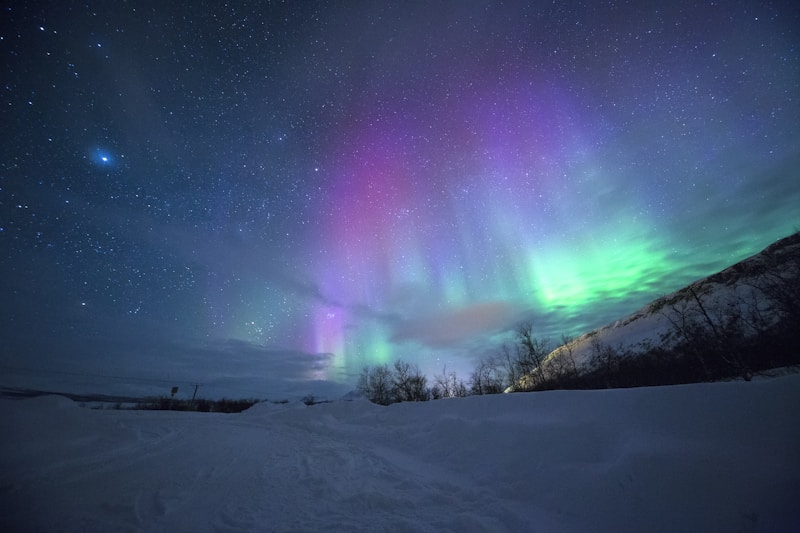
Hike Under the Midnight Sun
Trek through endless daylight in the Arctic summer.

Kayak Among Glaciers
Paddle through icy waters surrounded by massive glaciers.