Zip Line Through a Rainforest Canopy
From $50

Zip Line Through a Rainforest Canopy
Fly through the treetops of an ancient forest.
At a Glance
$50+
2-4 hours
Costa Rica, Peru, Hawaii, Belize
Dry season for your destination
About This Experience
The rainforest canopy operates as a distinct ecosystem, home to species that never descend to the forest floor, living their entire lives in the branches hundreds of feet above the ground. Zip lining delivers you into that world—not as a tourist passing below or a scientist on research platforms, but as something closer to the birds and monkeys that consider this their home. You step off a platform, the cable catches your weight, and suddenly you're flying through the treetops, the forest floor a distant green beneath you, the upper canopy close enough to touch (though guides wisely discourage this). The sensation combines elements that don't usually coexist: the thrill of speed and height with the serenity of gliding rather than falling. The zip line carries you at whatever speed gravity and cable angle dictate—sometimes gentle and observational, sometimes fast enough to make your eyes water. The landing platform approaches, you remember the braking technique from the briefing, and then you're standing on another tree-mounted platform, catching your breath while guides prepare the next line. In a typical canopy tour, you'll complete a dozen or more such flights, the cumulative effect building into something larger than any single line. Costa Rica pioneered canopy tourism in the 1990s, recognizing that its remaining rainforests held economic value beyond the traditional choices of logging or agriculture. The model spread rapidly: Peru, Ecuador, Hawaii, Belize, Thailand, and dozens of other destinations now offer canopy tours of varying quality and intensity. The original Costa Rican operations—places like Sky Adventures and Selvatura in Monteverde—remain among the world's best, their engineering refined over decades and their guides expert in both safety and natural history. The ecological dimension elevates the experience beyond mere adrenaline. Good guides point out wildlife during transfers between platforms: howler monkeys in the branches, toucans flying past at eye level, the giant morpho butterflies whose iridescent blue seems almost artificial. The trees themselves—strangler figs, ceibas, various species that non-specialists cannot distinguish—become meaningful when someone explains their roles in the ecosystem. Some tours include hanging bridges, forest floor walks, and other elements that provide perspectives zip lines alone cannot offer. The engineering behind canopy tours has evolved to maximize both thrills and safety. Modern systems use steel cables, redundant connections, and automatic braking systems that slow riders regardless of their technique. The harnesses distribute force across the body; the helmets protect against unlikely impacts. The result is an activity accessible to participants from young children to elderly adults, with physical requirements limited mainly to the ability to walk between platforms and follow basic instructions. This accessibility has made canopy tours one of the most popular adventure activities in the destinations that offer them. The variation between operations creates meaningfully different experiences. Some tours prioritize length—the longest lines stretch over a kilometer, with speeds exceeding 60 mph. Others emphasize height, with platforms mounted in trees 200 feet or more above ground. Some include Superman-style flying where you're suspended horizontally rather than seated. Rappelling segments, Tarzan swings, and other elements extend some tours beyond pure zip lining. The choice depends on whether you're seeking maximum thrills, optimal wildlife viewing, or a family-friendly experience that doesn't traumatize younger or more timid participants. The universal experience across variations involves that initial step off the platform—the moment of commitment when gravity claims you and the cable becomes your only support. What follows is pure motion through a forest that you're experiencing in a way that ground-bound travel cannot replicate. The perspective matters: looking down at treetops that you'd normally look up at, flying through a layer of the world that humans invented technology to access. The artificial becomes forgotten; the forest becomes real.
Cost Breakdown
Estimated costs can vary based on location, season, and personal choices.
Budget
Basic experience, economical choices
Mid-Range
Comfortable experience, quality choices
Luxury
Premium experience, best options
Difficulty & Requirements
Accessible for most people with basic planning.
Physical Requirements
Moderate - must be able to climb stairs
Prerequisites
- No severe fear of heights
- Weight limits apply
Tips & Advice
Costa Rica pioneered canopy tours
Longer courses offer more wildlife viewing
Wear closed-toe shoes
Don't wear loose jewelry
Some courses include rappelling elements
Related Topics
Community Discussion
Ask questions, share tips, or read experiences from others.
View Discussions Start DiscussionShare This Experience
Quick Summary
- Category Adventure
- Starting Cost $50
- Time Needed 2-4 hours
- Best Season Dry season for your destination
- Difficulty Moderate
Explore More
You Might Also Like
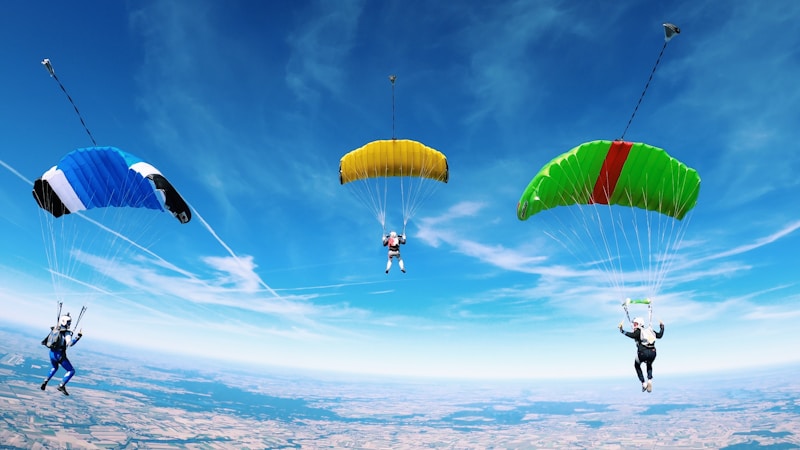
Go Skydiving
Experience the ultimate adrenaline rush by jumping from a plane.

Bungee Jump
Take the leap and freefall before bouncing back.
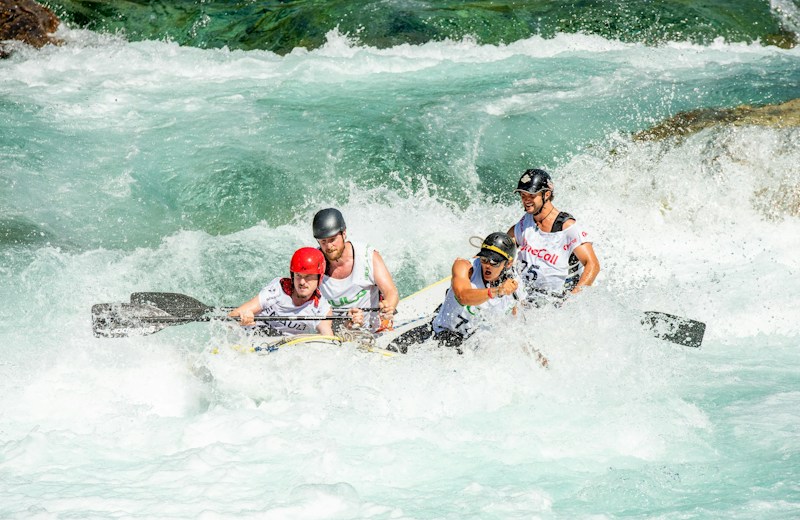
Go White Water Rafting
Navigate churning rapids on an inflatable raft.

Go Paragliding
Soar like a bird with just a parachute and the wind.