Kayak Under the Northern Lights
From $150
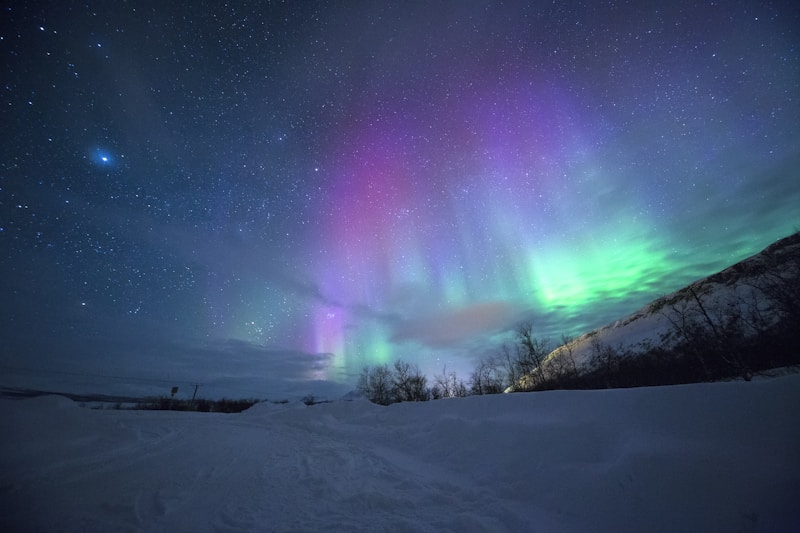
Kayak Under the Northern Lights
Paddle through Arctic waters as aurora dances overhead.
At a Glance
$150+
3-4 hours
Norway, Iceland, Sweden
September to March
About This Experience
Kayaking beneath the northern lights combines two powerful experiences—the meditative rhythm of paddling and the cosmic spectacle of aurora borealis—into a single unforgettable night. The perspective from water level, with the kayak silent beneath you and no artificial light competing with the aurora, creates viewing conditions that land-based observers cannot match. The lights reflect on the water's surface, doubling the display, while the quiet broken only by paddle strokes intensifies awareness of the celestial performance overhead. Northern Norway, particularly the area around Tromsø, has developed as the premier destination for aurora kayaking. Located well above the Arctic Circle, Tromsø offers both reliable aurora activity during the winter months and the maritime infrastructure that supports cold-water kayaking. Commercial operators provide dry suits that eliminate hypothermia risk, stable tandem kayaks that accommodate participants without extensive kayaking experience, and the logistical support—hot drinks, safety escorts, transport—that transforms an extreme undertaking into an accessible adventure. The timing considerations for aurora kayaking involve multiple variables that must align. Solar activity produces the auroras; the geomagnetic forecasts provide probability assessments that guide trip scheduling. Cloud cover must be minimal for visibility; even spectacular aurora activity goes unseen beneath overcast skies. Moon phase affects how dramatic the lights appear—new moon periods provide the darkest skies. Water conditions must permit safe kayaking; wind and wave states that would merely inconvenience daytime paddlers become dangerous after dark. These variables mean that aurora kayaking trips often adjust timing based on conditions rather than predetermined schedules. The experience begins with orientation at dusk—fitting dry suits, practicing paddle strokes, understanding the communication system that guides the group through darkness. The launch into darkening water carries psychological weight; night kayaking amplifies ordinary concerns about capsize and disorientation. The guides maintain position awareness throughout, typically using GPS and familiarity with local waters to navigate routes that maximize viewing while minimizing hazard exposure. When the lights begin—often starting as faint green glow on the northern horizon that observers mistake for distant light pollution—the experience transforms. The initial glow brightens, takes shape, begins to move. Curtains of green ripple overhead; pink and purple edges appear during stronger displays; the lights dance with a rhythm that seems responsive to some music the observers cannot hear. The kayakers drift, paddles resting across cockpits, faces turned skyward in the universal posture of aurora appreciation. The cold demands respect even within dry suits. Extended stillness while watching aurora drops body temperature; guides orchestrate periods of paddling that generate warmth while maintaining position in productive viewing areas. Hot drinks from thermoses provide internal heat. The physical management becomes part of the adventure's texture—you earn the spectacular views by enduring conditions that comfort-oriented tourists avoid. The alternative Arctic locations include Iceland, where fjords provide sheltered waters for aurora kayaking against volcanic backdrops, and Swedish Lapland, where frozen lakes sometimes offer late-season opportunities before ice covers the water completely. Each location provides distinct character: Norwegian maritime climate versus Icelandic geological drama versus Swedish wilderness remoteness. The aurora itself varies with location only in probability and viewing angle; the lights themselves know no borders. The photographs from aurora kayaking expeditions capture what video cannot—the stillness, the scale, the otherworldly quality of green light reflecting from black Arctic water. But participants universally report that no photograph conveys the actual experience: the cold on exposed face, the gentle rock of the kayak, the complete darkness except for cosmic light, and the knowledge that you're witnessing a solar-terrestrial interaction that has proceeded for billions of years without human audience.
Cost Breakdown
Estimated costs can vary based on location, season, and personal choices.
Budget
Basic experience, economical choices
Mid-Range
Comfortable experience, quality choices
Luxury
Premium experience, best options
Difficulty & Requirements
Requires some preparation, skills, or resources.
Physical Requirements
Kayaking ability, cold tolerance
Prerequisites
- Basic kayaking skills
- Cold water comfort
Tips & Advice
Tromsø, Norway is perfect for this
Dry suits keep you warm
Clear, calm nights are essential
Sightings aren't guaranteed
The silence on the water enhances the experience
Related Topics
Community Discussion
Ask questions, share tips, or read experiences from others.
View Discussions Start DiscussionShare This Experience
Quick Summary
- Category Adventure
- Starting Cost $150
- Time Needed 3-4 hours
- Best Season September to March
- Difficulty Challenging
Explore More
You Might Also Like
Hike Under the Midnight Sun
Trek through endless daylight in the Arctic summer.
Go Dog Sledding
Mush across snowy landscapes pulled by excited huskies.

Go Caving/Spelunking
Explore underground caverns and hidden worlds.
Go Sandboarding
Surf down massive sand dunes in the desert.