See Christ the Redeemer
From $1.2k
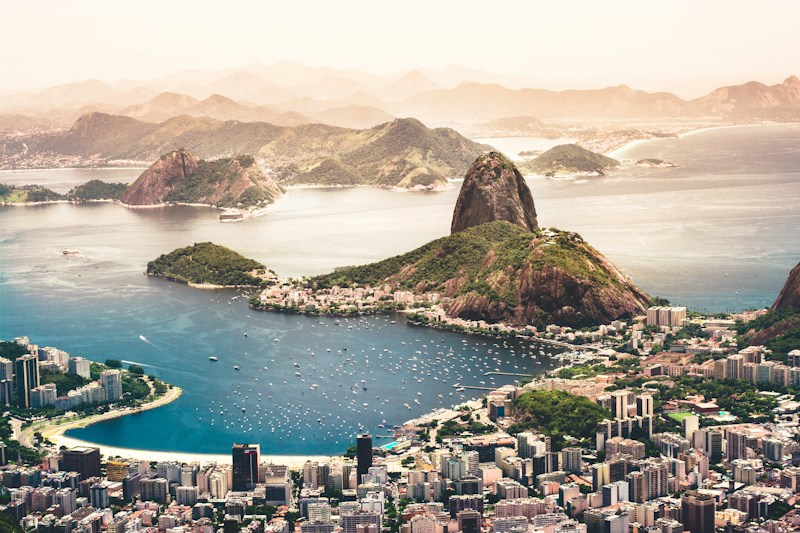
See Christ the Redeemer
Gaze upon Rio de Janeiro from beneath the iconic statue's outstretched arms.
At a Glance
$1.2k+
4-7 days
Rio de Janeiro, Brazil
May to November (dry season)
About This Experience
Cristo Redentor—Christ the Redeemer—stands with arms outstretched atop Corcovado mountain, a 30-meter Art Deco masterpiece that has become the defining symbol of Rio de Janeiro and one of the New Seven Wonders of the World. But the statue itself, impressive as it is, represents only part of the experience. What makes visiting Cristo Redentor transformative is the 360-degree panorama it commands: Sugarloaf Mountain rising from the harbor, Copacabana and Ipanema beaches curving along the coast, the urban sprawl of Rio spreading between the mountains and the sea, and the understanding that few cities on Earth can match this setting. The statue's creation reflects both religious devotion and national ambition. Conceived in 1921 and completed in 1931, Cristo Redentor was built to assert Brazil's Catholic faith as the country modernized. The design competition yielded proposals ranging from a Christ holding a cross to one holding a globe. The winning concept—arms extended in a gesture of welcome and embrace—came from Brazilian engineer Heitor da Silva Costa, with the Art Deco treatment by French sculptor Paul Landowski. The result is a figure both spiritual and modern, traditional and innovative. The journey to the summit is part of the experience. The Trem do Corcovado, a cog railway built by Dom Pedro II in 1884, climbs through the Tijuca Forest—one of the world's largest urban rainforests—offering glimpses of tropical vegetation and occasional wildlife. The 20-minute ride builds anticipation as the train switchbacks up the mountain. Alternatively, vans depart from various points around Rio, offering faster but less scenic access. The final ascent requires climbing stairs or taking an escalator through a passage carved into the rock. Emerging onto the viewing platform, the statue towers overhead while Rio sprawls below. On clear days, the views extend to the horizon in every direction. The statue's pedestal contains a small chapel dedicated to Nossa Senhora Aparecida, Brazil's patron saint, where weddings and baptisms are performed beneath Christ's outstretched arms. Around the base, the viewing terraces fill with visitors from around the world, many recreating the iconic pose with their own outstretched arms. The statue's engineering deserves appreciation. The structure consists of reinforced concrete covered with thousands of triangular soapstone tiles, hand-laid by women working in a nearby warehouse. The tiles were chosen for their durability against Rio's weather and their visual warmth. Lightning strikes the statue several times annually, with lightning rods built into the head and arms. The fingers alone measure 3.2 meters long, and the total weight reaches 635 metric tons. Recent restorations have addressed weather damage and replaced chipped tiles. The broader Rio context amplifies any visit. Sugarloaf Mountain (Pão de Açúcar), visible from Corcovado, offers complementary views reached via a two-stage cable car system. The beaches of Copacabana and Ipanema, stretching along the coast visible from both peaks, provide the postcard imagery that defines Rio in the global imagination. The neighborhoods between the mountains—Santa Teresa with its artistic character, Lapa with its nightlife, Centro with its colonial architecture—reveal a city whose beauty extends far beyond its famous landmarks. Rio's cultural vibrancy enhances any pilgrimage to the statue. The city that gave the world samba, bossa nova, and Carnival pulses with music from street corners to grand concert halls. Beach culture pervades daily life—cariocas (Rio natives) treat the sand as an extension of their living rooms, socializing, exercising, and conducting business within sight of the waves. The food reflects Brazil's multicultural heritage: feijoada (black bean stew with pork), pastéis (fried pastries), açaí bowls from the Amazon, and churrascarias serving endless grilled meats. The timing of your visit matters significantly. Rio's famous weather, while generally warm, includes occasional cloud cover that can completely obscure the statue and eliminate the views that make the journey worthwhile. Check forecasts carefully, and if possible, have flexibility to choose a clear day. Early morning generally offers the best visibility and smallest crowds; sunset from the summit creates magical light but requires timing the return journey in darkness. The favelas visible from Corcovado add complexity to the panorama. These informal communities climbing Rio's hillsides house roughly a quarter of the city's population and represent both urban challenges and vibrant communities. Tourism to select favelas has become common, offering perspectives that complicate the postcard imagery while revealing aspects of Rio's social reality. Standing at the base of Cristo Redentor, feeling dwarfed by the statue while simultaneously surveying a cityscape that spreads to the horizon, you understand why this site draws visitors from around the world. The combination of artistic achievement, spiritual significance, and natural setting creates something that transcends its individual elements. Rio de Janeiro may face significant challenges, but its beauty remains undeniable—and no vantage point captures that beauty more completely than beneath Christ's welcoming arms.
Cost Breakdown
Estimated costs can vary based on location, season, and personal choices.
Budget
Basic experience, economical choices
Mid-Range
Comfortable experience, quality choices
Luxury
Premium experience, best options
Difficulty & Requirements
Perfect for beginners. Minimal preparation needed.
Physical Requirements
Minimal
Tips & Advice
Go early morning for fewer crowds
Take the cog train up for the experience
Check weather - clouds often obscure the view
Combine with a visit to Sugarloaf Mountain
Visit Ipanema and Copacabana beaches
Related Topics
Community Discussion
Ask questions, share tips, or read experiences from others.
View Discussions Start DiscussionShare This Experience
Quick Summary
- Category Travel
- Starting Cost $1.2k
- Time Needed 4-7 days
- Best Season May to November (dry season)
- Difficulty Easy
You Might Also Like
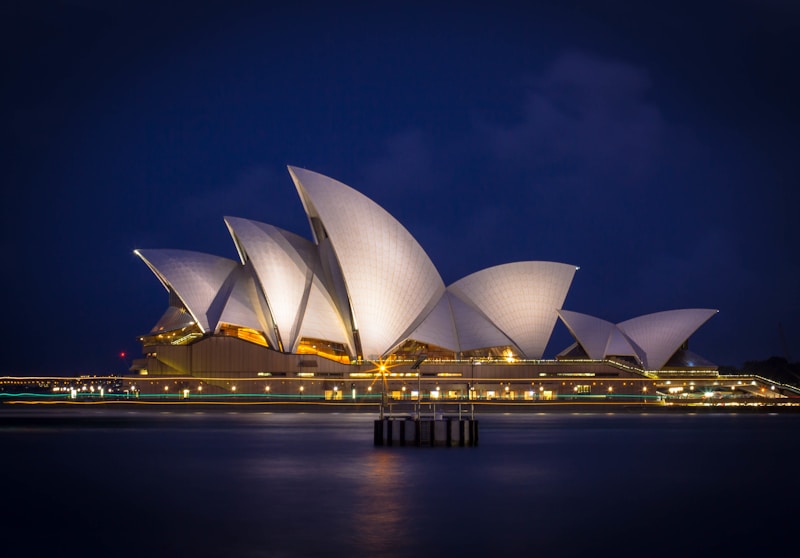
See a Show at the Sydney Opera House
Experience world-class performance in one of the 20th century's most iconic buildings.

See the Northern Lights
Witness the magical aurora borealis dancing across the night sky.
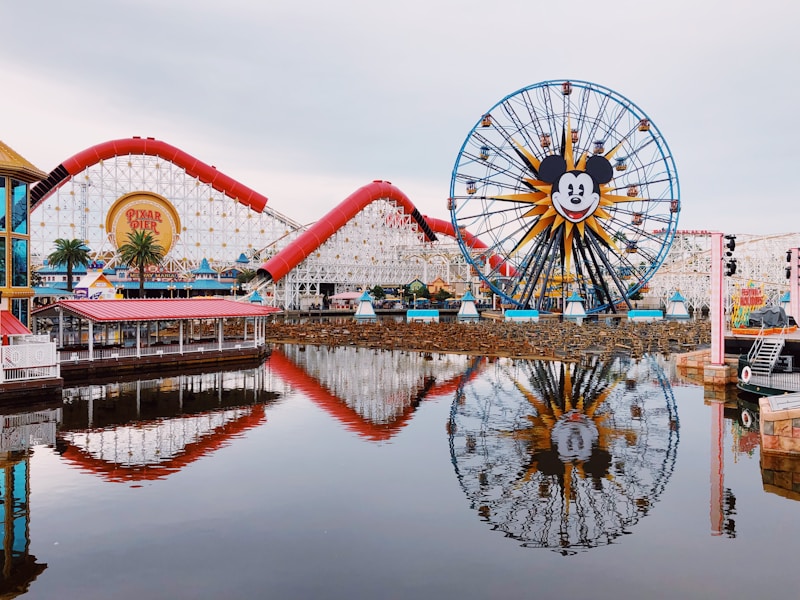
Road Trip Route 66
Drive the iconic "Mother Road" from Chicago to Santa Monica.
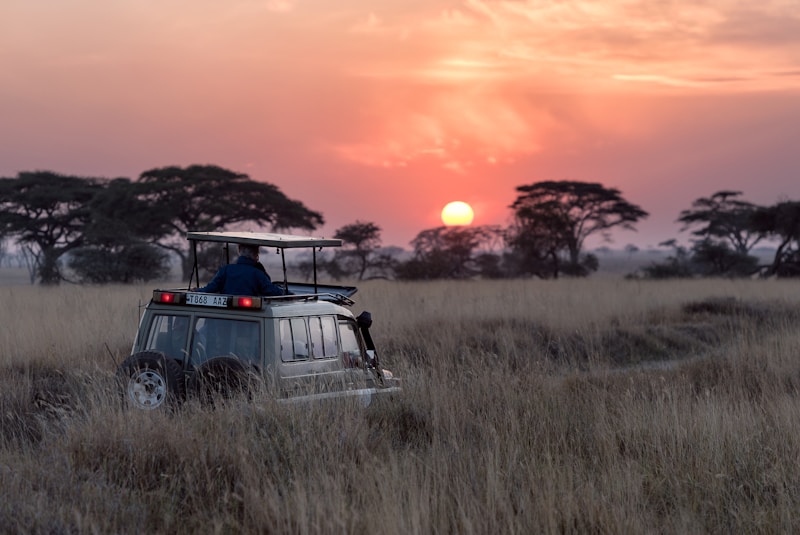
Go on an African Safari
Witness the Big Five and the great migration in their natural habitat.