Sail the Croatian Coast
From $1.5k

Sail the Croatian Coast
Island-hop through the Adriatic's clearest waters and ancient walled towns.
At a Glance
$1.5k+
7-14 days
Croatia
May-June or September
About This Experience
Croatia's Dalmatian coast unfolds along the eastern Adriatic in a ribbon of medieval walled towns, over 1,000 islands, and waters so clear that swimmers can watch their shadows on the seafloor below. The coast that was Yugoslavia's prime tourist destination has been rediscovered—Game of Thrones filming locations have joined historic attractions, and summer brings yachts from across Europe to harbors where fishing boats once dominated. But the coast's appeal predates modern tourism by millennia, the same sheltered waters and strategic position that attracted Greeks, Romans, and Venetians now drawing travelers seeking history, beauty, and the Mediterranean lifestyle at its most accessible. Dubrovnik anchors the southern coast with walls that have protected the city for over a millennium. Walking those walls—nearly two kilometers of ramparts offering views across terracotta rooftops to the blue Adriatic—provides the essential Dubrovnik experience. The Old Town below, rebuilt after earthquake damage in 1667 and shelling during the 1990s war, presents a Baroque masterpiece in miniature: churches, palaces, and the famous Stradun promenade contained within defenses that successfully resisted Ottoman sieges. Game of Thrones transformed Dubrovnik into "King's Landing," adding crowds but also restoration funding. The city deserves its popularity, though summer brings day-trippers from cruise ships in numbers that challenge its narrow streets. Split, Croatia's second city, offers a different historical encounter. The city occupies Diocletian's Palace—not surrounds it or contains it, but literally inhabits the former Roman emperor's retirement complex. Shops and restaurants fill the basement halls; apartments occupy what were imperial quarters; the cathedral converted from Diocletian's mausoleum. This living archaeology, where Roman walls support medieval additions support modern life, creates an atmosphere distinct from museum cities. Split also functions as the Adriatic ferry hub, with connections to most major islands departing from the harbor beside the palace walls. The islands distinguish Croatia from other Mediterranean destinations. Hvar claims the glamour—its harbor lined with yachts, its town of Renaissance elegance, its nightlife drawing European party-seekers. Korčula offers history (supposedly Marco Polo's birthplace) and a smaller-scale old town that rivals larger cities'. Brač contains Zlatni Rat, the famous beach that shifts shape with currents and wind. Vis, closed to foreigners during Yugoslav military use, retains an authenticity that heavily developed islands have lost. Each island offers distinct character; the ferries and catamarans connecting them make island-hopping straightforward. Sailing provides the optimal island experience. Charter companies offer bareboat rentals for those with sailing certifications, skippered charters for those without, and flotilla holidays that combine independence with group support. A week of sailing might touch a half-dozen islands, anchoring in coves inaccessible to land-based tourists, eating in waterfront restaurants where boats tie up feet from the tables, and experiencing the freedom that water travel provides. The Adriatic's reliable summer weather—consistent winds, rare storms—makes it excellent sailing territory for intermediate sailors, while professional skippers allow novices to experience the lifestyle. The coastal towns between the famous cities reward exploration. Trogir, just outside Split, presents an island old town of medieval streets and Romanesque architecture, UNESCO-protected and less crowded than its famous neighbors. Šibenik anchors a stunning section of coast and provides access to Krka National Park, whose waterfalls cascade through a river canyon accessible by boardwalk and swimming area. Zadar offers Roman ruins, medieval churches, and modern installations including the Sea Organ that creates music from wave action and the Sun Salutation that lights up from solar power accumulated during the day. The inland excursion to Plitvice Lakes deserves the detour from coastal focus. Sixteen interconnected lakes cascade through a forested canyon, their waters colored by mineral content into shades of blue and green that vary with season and light. Wooden boardwalks thread between the lakes, above the waterfalls, and along cliff faces, providing access without destroying the environment that draws visitors. Plitvice is Croatia's most visited attraction, and summer crowds can overwhelm—spring or fall visits provide better experiences. The food culture extends Mediterranean traditions with Balkan influences. Seafood dominates the coast—grilled fish caught that morning, octopus salad, black risotto colored with cuttlefish ink. The interior contributes lamb, pršut (dry-cured ham comparable to Italian prosciutto), and truffles from the Istrian peninsula. Wine production, interrupted by phylloxera and communism, has revived with indigenous varieties like Plavac Mali and Pošip gaining international recognition. The Croatian approach to meals—long, multi-course, inevitably featuring rakija (fruit brandy) at some point—rewards those willing to surrender to local rhythms. The practical considerations include timing—July and August bring maximum crowds, maximum heat, and maximum prices, while shoulder seasons provide better weather for hiking and sightseeing with fewer fellow travelers. The coast is efficiently connected by buses following the dramatic Adriatic highway, though ferries provide more scenic and often faster connections. English is widely spoken, especially along the coast where tourism dominates the economy. Croatia delivers the Mediterranean experience—historic cities, island escapes, clear waters, excellent food—at prices lower than Italy or southern France, with a history distinctly its own.
Cost Breakdown
Estimated costs can vary based on location, season, and personal choices.
Budget
Basic experience, economical choices
Mid-Range
Comfortable experience, quality choices
Luxury
Premium experience, best options
Difficulty & Requirements
Accessible for most people with basic planning.
Physical Requirements
Minimal
Tips & Advice
Dubrovnik is stunning but expensive and crowded
Split is a better base for island hopping
Visit Hvar for nightlife, Vis for authenticity
Plitvice Lakes are worth the inland detour
July-August is very crowded and hot
Community Discussion
Ask questions, share tips, or read experiences from others.
View Discussions Start DiscussionShare This Experience
Quick Summary
- Category Travel
- Starting Cost $1.5k
- Time Needed 7-14 days
- Best Season May-June or September
- Difficulty Moderate
You Might Also Like
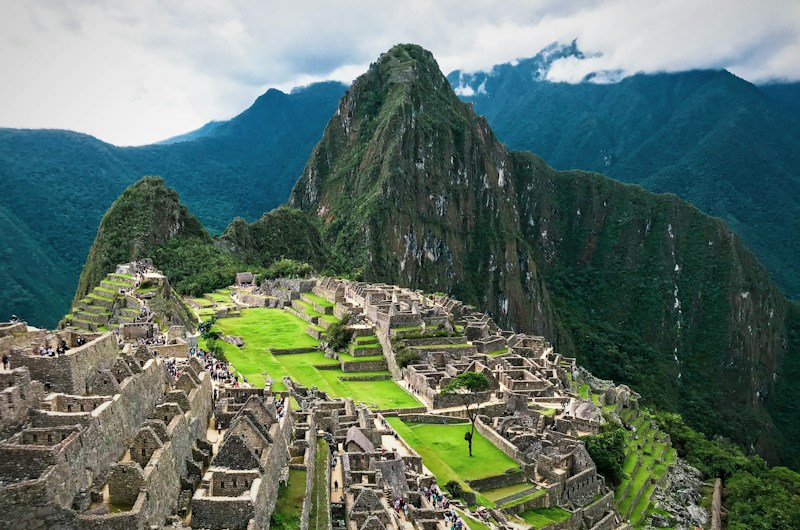
Visit Machu Picchu
Explore the ancient Incan citadel perched high in the Andes Mountains.
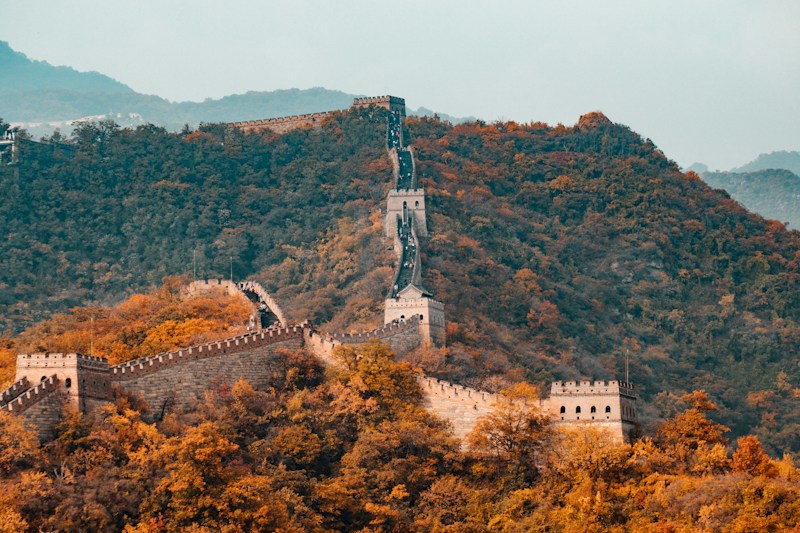
Walk the Great Wall of China
Trek along one of the world's most impressive architectural feats.
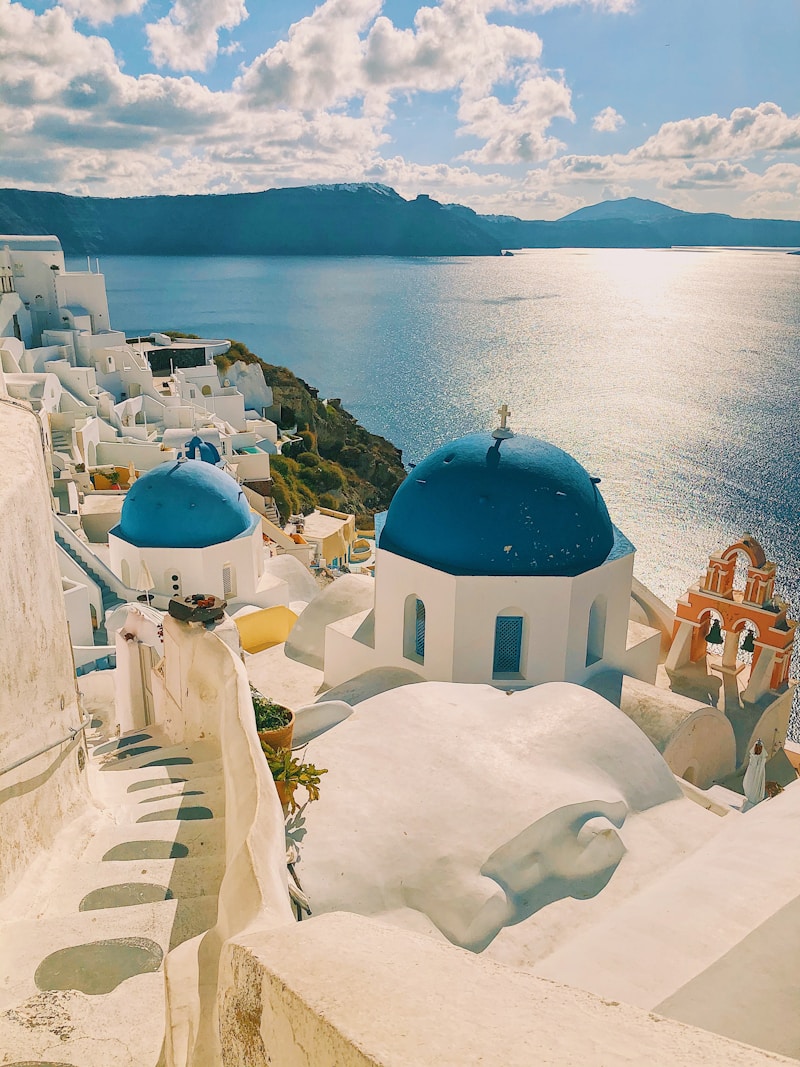
Explore Santorini, Greece
Wander through whitewashed villages perched on volcanic cliffs.

Visit Petra, Jordan
Discover the ancient rose-red city carved into desert cliffs.