Snorkel the Great Barrier Reef
From $2.0k
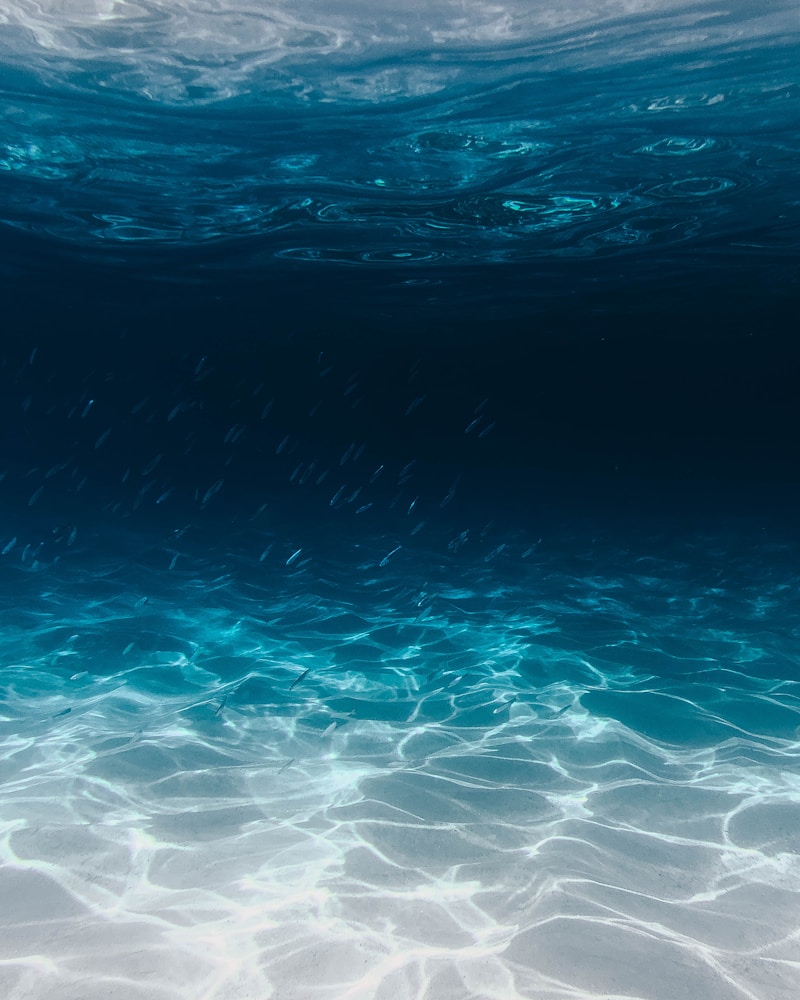
Snorkel the Great Barrier Reef
Swim among vibrant coral and tropical fish in the world's largest reef system.
At a Glance
$2.0k+
3-7 days
Queensland, Australia
June to October
About This Experience
The Great Barrier Reef exists on a scale that defies comprehension—2,300 kilometers of coral systems stretching along Australia's Queensland coast, comprising over 2,900 individual reefs and 900 islands, covering an area larger than the United Kingdom, and visible from space as a pale shadow along the continental shelf. This is the world's largest living structure, home to an estimated 1,500 species of fish, 400 types of coral, and countless other marine organisms. Snorkeling or diving here means entering one of Earth's most complex and beautiful ecosystems, a kaleidoscope of color and movement that has evolved over millennia. The reef formed gradually over the past 20,000 years as sea levels rose following the last ice age. Coral polyps—tiny organisms related to jellyfish—secreted calcium carbonate skeletons that accumulated over generations, eventually building the massive structures we see today. This process continues, with living coral constantly growing atop the remains of previous generations, creating a dynamic system that responds to environmental changes in ways both resilient and fragile. Experiencing the reef requires choosing from numerous access points along the Queensland coast. Cairns and Port Douglas offer the most developed tourist infrastructure, with countless operators running day trips to outer reef locations. The Whitsunday Islands provide a different experience—fringing reefs around resort islands, combined with the iconic Whitehaven Beach. Townsville serves as gateway to the SS Yongala wreck, considered one of the world's best wreck dives. The far northern sections, accessible from Cape Tribulation and Cooktown, see fewer visitors and offer more pristine conditions. The distinction between inner and outer reef matters significantly. Inner reefs, closer to shore and more accessible, have suffered more severely from runoff, coral bleaching, and human impact. Outer reefs, reached by longer boat journeys, generally display better coral health and greater biodiversity. Choose operators that travel to these outer locations—the extra time and cost translate directly into a superior experience. What you see beneath the surface depends enormously on where you go and current conditions. Healthy sections display the reef's full splendor: brain corals the size of cars, branching staghorn corals creating underwater forests, plate corals extending in overlapping layers, all in colors ranging from purple to orange to electric blue. Fish swarm in numbers that make the water itself seem alive—schools of fusiliers and chromis, patrolling parrotfish that crunch coral into sand, angelfish and butterflyfish weaving through the formations. Larger creatures appear with varying frequency: sea turtles gliding past, reef sharks patrolling the drop-offs, giant clams revealing iridescent mantles. The reef's challenges are real and urgent. Mass coral bleaching events in 2016, 2017, 2020, and 2022 killed substantial portions of the coral, particularly in northern sections. Bleaching occurs when stressed corals expel the symbiotic algae that give them color and nutrition—if conditions don't improve quickly, the coral dies. Climate change, with its warming waters and ocean acidification, represents the primary threat. Crown-of-thorns starfish outbreaks, agricultural runoff, and coastal development compound the problem. Scientists estimate that the reef has lost roughly half its coral cover since the 1990s. This environmental reality creates urgency for visitors. Many travelers come specifically because they fear the reef won't exist in its current form for future generations—a reasonable concern that motivates the nickname "bucket list diving." But this pessimism can be overstated. The reef is not dead. Substantial sections remain vibrant and beautiful, and coral has shown remarkable recovery potential when conditions allow. Visiting the reef isn't witnessing a corpse; it's experiencing a living system fighting for survival. Practical considerations shape the experience. Snorkeling requires no certification and allows anyone who can swim to experience the reef. Most operators provide flotation devices for those uncertain in water. Diving opens up deeper areas and longer bottom times but requires certification or a "discover scuba" introductory session. Liveaboard trips—spending multiple nights on a boat, diving several times daily—provide the most immersive experience, allowing access to remote sites and dawn and dusk dives when marine activity peaks. Reef-safe behavior matters more here than almost anywhere. Reef-safe sunscreen (free of oxybenzone and octinoxate) prevents chemical damage to coral. Maintaining buoyancy control keeps fins and bodies from crushing coral that took decades to grow. Not touching or standing on coral preserves structures that thousands of organisms depend upon. Choosing operators certified by eco-tourism programs supports businesses committed to reef protection. Your presence can either help or hurt this ecosystem—the choice is daily and practical. The underwater world of the Great Barrier Reef operates by different rules than the terrestrial world we know. Colors intensify then fade as depth changes. Sound travels differently—you hear the crunch of parrotfish feeding, the pop and crackle of countless tiny organisms. Movement becomes three-dimensional as fish pass above and below. Time feels different too; an hour underwater passes in what seems like minutes, the constant visual stimulation compressing subjective experience. Snorkeling the Great Barrier Reef fulfills a vision implanted by nature documentaries and photographs, but the reality transcends those images. No screen captures the peripheral motion, the sense of floating in an alien environment, the moment when a sea turtle glides beneath you close enough to touch. This is not just one of Earth's great natural wonders—it's one of the most complex and beautiful systems evolution has produced, and witnessing it firsthand feels like a privilege. That this wonder faces an uncertain future only heightens its impact: we are experiencing something remarkable while it still exists to experience.
Cost Breakdown
Estimated costs can vary based on location, season, and personal choices.
Budget
Basic experience, economical choices
Mid-Range
Comfortable experience, quality choices
Luxury
Premium experience, best options
Difficulty & Requirements
Accessible for most people with basic planning.
Physical Requirements
Basic swimming ability
Prerequisites
- Can learn to snorkel on the boat
Tips & Advice
Choose outer reef trips for better coral health
Apply reef-safe sunscreen
Consider a liveaboard for multiple days
The Whitsundays offer great access
Go early - the reef is degrading due to climate change
Related Topics
Community Discussion
Ask questions, share tips, or read experiences from others.
View Discussions Start DiscussionShare This Experience
Quick Summary
- Category Travel
- Starting Cost $2.0k
- Time Needed 3-7 days
- Best Season June to October
- Difficulty Moderate
Explore More
You Might Also Like
See the Northern Lights
Witness the magical aurora borealis dancing across the night sky.
Go on an African Safari
Witness the Big Five and the great migration in their natural habitat.
Cruise the Norwegian Fjords
Sail through dramatic cliff-lined waterways carved by glaciers.
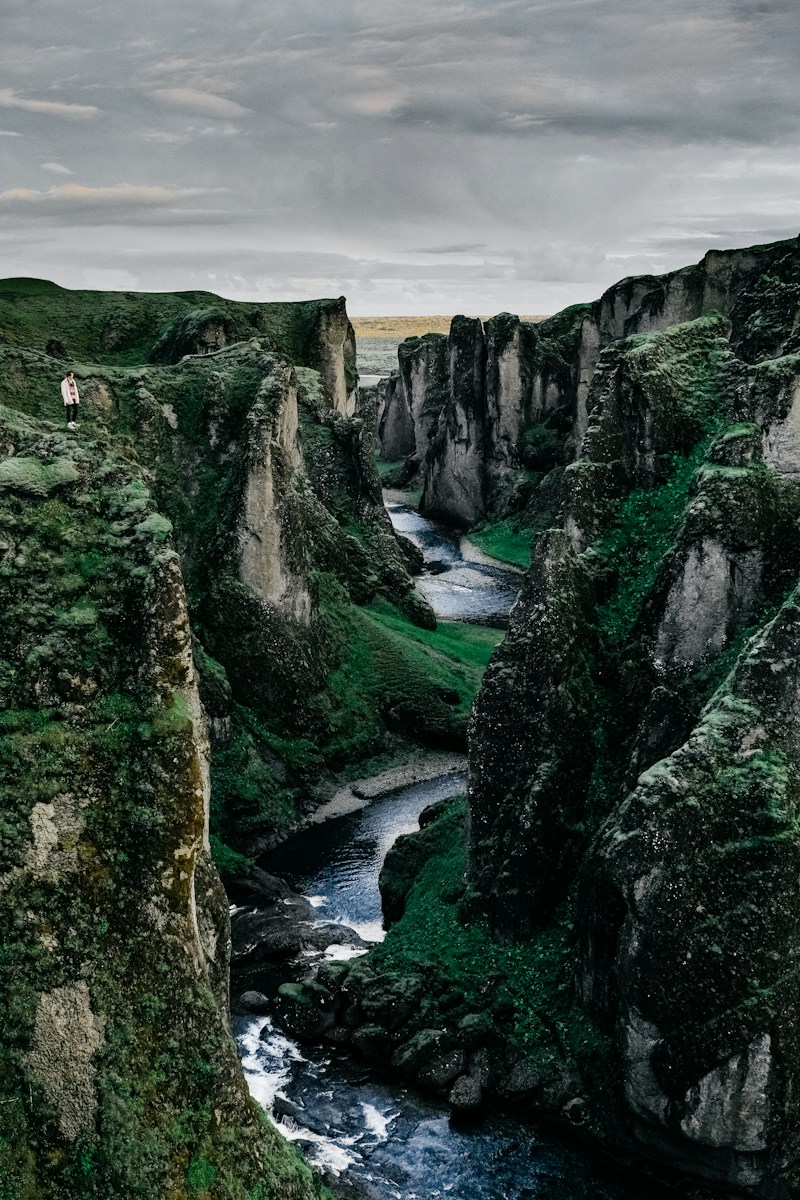
Drive Iceland's Ring Road
Circle the entire island through otherworldly volcanic landscapes.