Swim in Mexican Cenotes
From $600
At a Glance
$600+
5-7 days
Yucatán, Mexico
November to April
About This Experience
Cenotes pierce the Yucatán limestone in thousands of natural sinkholes, their crystal-clear waters revealing underground rivers that flow through caves carved over millions of years. The Maya considered these pools sacred—the word "cenote" derives from the Mayan "dzonot" (sacred well)—and archaeological discoveries of artifacts and human remains confirm their importance as sites of offering and ritual. Swimming in cenote waters today, your body suspended in liquid so clear that you seem to float in air, light filtering through openings above or through underwater passages beyond, connects you to geological time, ancient spirituality, and sensory experience that ordinary swimming cannot match. The Yucatán Peninsula's geology creates cenotes through a process spanning millennia. The limestone bedrock, porous and soluble, allows rainwater to seep downward, gradually dissolving rock and creating underground rivers and caverns. When cavern ceilings collapse, they expose the water table in formations that range from open pools under sky to partially enclosed grottos to fully underground caves accessible only to divers. The "Ring of Cenotes" around the Chicxulub impact crater—the meteor strike that ended the dinosaurs—marks a geological boundary where cenote density increases dramatically. The cenote experiences range from developed tourist sites with amenities to wild sinkholes accessible only with local guides. Cenote Ik Kil, near Chichén Itzá, demonstrates the developed end—a massive circular pool with vines hanging down from above, wooden platforms and stairs providing access, restaurants and services surrounding the site. The setting is genuinely spectacular, though the crowds (especially when cruise ship passengers arrive from Cancún) can diminish the magical atmosphere. Cenotes closer to Tulum—Cenote Azul, Cenote Carwash, Gran Cenote—offer easier access without the tour bus volumes. The underwater cave systems extend the cenote experience for certified divers. The Yucatán contains the world's longest underwater cave systems, passages connecting cenotes through chambers that stalactites and stalagmites decorated when they were dry during ice ages. Cave diving here requires specialized training beyond recreational scuba certification—the overhead environment eliminates the option of simply surfacing when problems arise. For those with the training, exploring passages that no human entered before the last few decades provides experiences available nowhere else on Earth. The snorkeling in cenote waters suits those without dive certifications. The clarity—visibility often exceeds 30 meters—allows seeing depths and details that murky ocean water cannot reveal. In partially open cenotes, light enters through the overhead opening, creating beams that pierce the depths like spotlights. In partially enclosed cenotes, the water often divides into a freshwater layer above and a saltwater layer below, their meeting creating a hazy halocline that disorients and fascinates. Fish—mostly small but sometimes including catfish or other species—occupy waters that receive food from roots and fallen debris. The Riviera Maya cenotes cluster in accessible concentrations. The area between Playa del Carmen and Tulum offers dozens of options within short driving distances, making multi-cenote days practical. Dos Ojos and Sistema Sac Actun rank among the most famous, their cave systems extending for hundreds of kilometers. Cenote Suytun, inland from Valladolid, provides an underground cavern with a single beam of light illuminating a stone platform—otherworldly photography that social media has made famous. Cenote Calavera (also called Temple of Doom) requires jumping through holes in the roof to enter—adventurous access that filters out the less committed. The practical considerations include timing—early morning arrivals at popular cenotes beat the heat and the crowds. Biodegradable sunscreen (or none at all) protects waters that fragile ecosystems depend upon; most cenotes prohibit regular sunscreens that damage their clarity and life. Water shoes or sandals provide grip on potentially slippery surfaces. Underwater cameras (or waterproof phone cases) capture experiences that memory struggles to preserve. Respecting the sacred character that persists in some locations—not every cenote welcomes diving or swimming—maintains relationships with communities that have guarded these waters for millennia. The combination potential makes cenotes part of larger Yucatán exploration. Days can combine cenote swimming with Mayan ruins (Chichén Itzá, Tulum, Cobá), beach time on the Caribbean coast, and the colonial cities of Valladolid or Mérida. The cenotes themselves provide contrast and cooling after hot ruin exploration—a practical as well as aesthetic pairing. Swimming in a cenote connects you to waters that have flowed for geological ages through the earth's hidden passages, sacred to people who understood something about these places that modern visitors can only glimpse.
Cost Breakdown
Estimated costs can vary based on location, season, and personal choices.
Budget
Basic experience, economical choices
Mid-Range
Comfortable experience, quality choices
Luxury
Premium experience, best options
Difficulty & Requirements
Perfect for beginners. Minimal preparation needed.
Physical Requirements
Swimming ability
Tips & Advice
Cenote Ik Kil near Chichén Itzá is famous but crowded
Cenotes near Tulum are more pristine
Go early morning for best light and fewer people
Bring underwater camera
Combine with Mayan ruins and beach time
Community Discussion
Ask questions, share tips, or read experiences from others.
View Discussions Start DiscussionShare This Experience
Quick Summary
- Category Travel
- Starting Cost $600
- Time Needed 5-7 days
- Best Season November to April
- Difficulty Easy
You Might Also Like
Cruise the Galápagos Islands
Walk among fearless wildlife that inspired Darwin's theory of evolution.
See the Northern Lights
Witness the magical aurora borealis dancing across the night sky.
Go on an African Safari
Witness the Big Five and the great migration in their natural habitat.
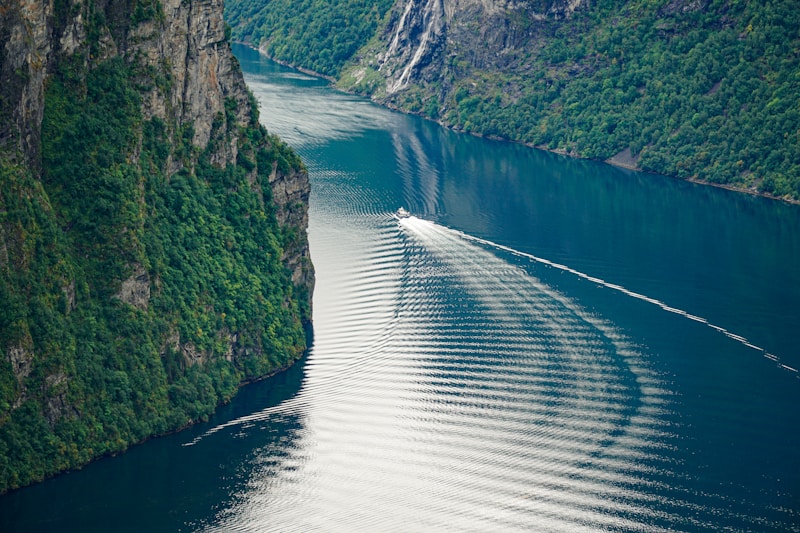
Cruise the Norwegian Fjords
Sail through dramatic cliff-lined waterways carved by glaciers.