Witness the Great Migration
From $4.0k
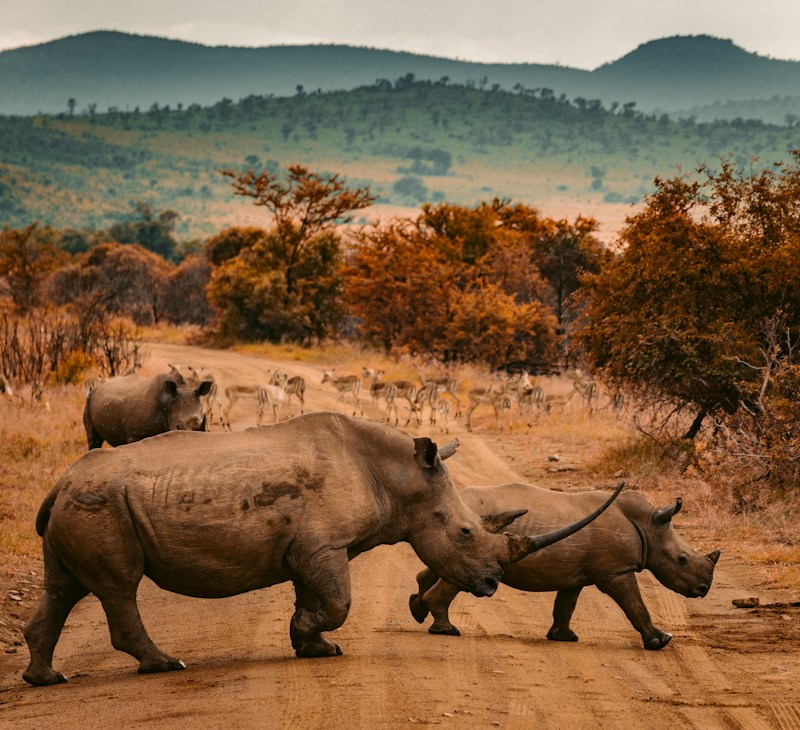
Witness the Great Migration
Watch millions of wildebeest cross croc-infested rivers in East Africa.
At a Glance
$4.0k+
7-14 days
Tanzania/Kenya
July-October for river crossings
About This Experience
The Great Migration unfolds across the Serengeti-Mara ecosystem as nearly two million wildebeest, accompanied by hundreds of thousands of zebras and gazelles, complete a circular journey following rain and grass in the world's most spectacular wildlife movement. The numbers alone stagger—a column of animals stretching to the horizon, the thunder of hooves audible miles away, the cycle of birth, death, and renewal playing out on a scale that dwarfs any nature documentary's ability to convey. Witnessing the migration, especially the dramatic river crossings where crocodiles wait in brown water for animals to make their desperate crossing, provides one of the planet's most profound wildlife experiences. The migration follows a predictable annual pattern, though exact timing varies with rainfall. The southern Serengeti hosts the calving season (typically January through March), when approximately 500,000 wildebeest are born within a few weeks—nature's way of overwhelming predators through sheer numbers. The plains erupt with new life, predators gorging themselves while millions of young animals take their first wobbly steps on legs that will carry them thousands of kilometers. Lions, cheetahs, hyenas, and wild dogs hunt the vulnerable young; the circle of life reveals itself without Disney's sentimentality. As the dry season approaches, the herds move north and west through the Serengeti, crossing the Grumeti River (typically June-July) in smaller but still dramatic crossings that foreshadow the Mara River spectacle ahead. The crocodiles here are massive, some over five meters long, their patience rewarded when thousands of animals compress themselves onto riverbanks, building courage or desperation until individuals begin leaping into the water, triggering stampedes that nothing can stop. The Mara River crossings in Kenya's Masai Mara (August through October) provide the migration's most famous imagery—wildebeest leaping from steep banks into crocodile-infested waters, struggling up the opposite bank through mud and trampled bodies of those who didn't make it. The crossings are not scheduled; herds may wait for days at crossing points, then suddenly begin for reasons that remain mysterious. Photographers and safari-goers position themselves for hours, waiting for the moment when a single animal's movement triggers the chaos. When a crossing begins, the noise—splashing, bellowing, bones cracking—is overwhelming. The Masai Mara provides the dry season's richest grazing, and the herds spread across the savanna in concentrations that defy comprehension. Lions, present in higher density here than anywhere else in Africa, hunt at will from a buffet of potential prey. The big cats provide their own spectacle—prides on kills, males fighting over territory, cubs learning to hunt in the world's most abundant predator-prey laboratory. As the short rains begin (typically November), the herds turn south again, returning to the Serengeti across hundreds of kilometers of savanna to complete the circle where they'll calve again. The migration continues year-round—there is no moment when animals aren't moving somewhere within the ecosystem. The practical aspects of witnessing the migration involve choosing the right location for the right season, booking appropriate accommodation, and understanding that wildlife operates on its own schedule. Northern Serengeti camps and Masai Mara lodges during August-October position you for river crossings; southern Serengeti camps during February-March provide calving season drama. Mobile camps that follow the herds offer the most flexibility. Balloon safaris, particularly in the Serengeti, provide perspectives impossible from ground level. The accommodation ranges from ultra-luxury tented camps with fine dining and private guides to simpler options that still provide safari experiences. The difference between $500 and $2,000 per night often involves exclusivity, guide expertise, and camp positioning rather than the wildlife itself—animals don't know whether they're being photographed by guests paying basic or premium rates. That said, experienced guides who understand animal behavior and migration timing deliver meaningfully better experiences. The ethical considerations deserve mention. Safari tourism provides economic incentive for conservation, giving local communities reason to protect wildlife rather than convert habitat to agriculture. The best operators employ and benefit communities, support anti-poaching efforts, and limit environmental impact. Mass-market tourism that prioritizes volume over quality threatens the experience it sells; choosing operators carefully supports the ecosystem's future. The migration reminds us that nature operates at scales and with logic that human planning cannot match. These animals have made this journey for over a million years, navigating without GPS, following patterns encoded in their genes. Witnessing them provides perspective on our place in the natural world—we are observers of something that predates us by geological ages and, with protection, will continue long after our individual lives conclude.
Cost Breakdown
Estimated costs can vary based on location, season, and personal choices.
Budget
Basic experience, economical choices
Mid-Range
Comfortable experience, quality choices
Luxury
Premium experience, best options
Difficulty & Requirements
Accessible for most people with basic planning.
Physical Requirements
Minimal
Prerequisites
- Vaccinations
- Malaria prophylaxis
Tips & Advice
The migration moves - research timing carefully
Mara River crossings are in August-September
Book lodges near the predicted migration path
Consider a private conservancy for exclusivity
Balloon safari at dawn is unforgettable
Community Discussion
Ask questions, share tips, or read experiences from others.
View Discussions Start DiscussionShare This Experience
Quick Summary
- Category Travel
- Starting Cost $4.0k
- Time Needed 7-14 days
- Best Season July-October for river crossings
- Difficulty Moderate
Explore More
You Might Also Like
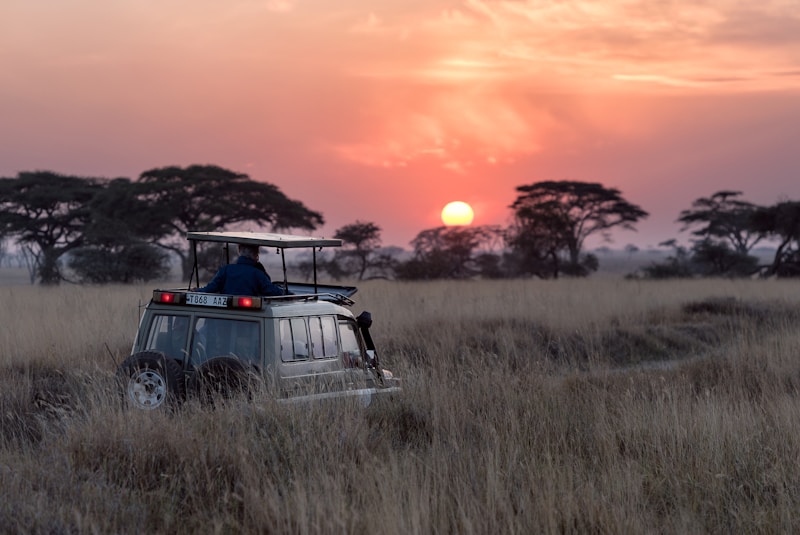
Go on an African Safari
Witness the Big Five and the great migration in their natural habitat.
Cruise the Galápagos Islands
Walk among fearless wildlife that inspired Darwin's theory of evolution.

See Victoria Falls
Feel the thunder of "The Smoke That Thunders" - the world's largest waterfall.

Explore Yellowstone National Park
Witness geysers, hot springs, and abundant wildlife in America's first national park.