Experience the Swiss Alps
From $2.0k
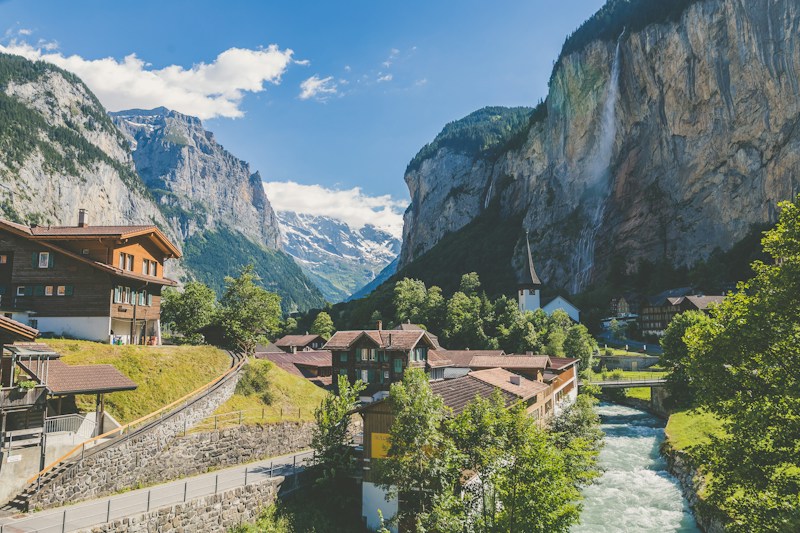
Experience the Swiss Alps
Take in the majesty of Europe's most spectacular mountain scenery.
At a Glance
$2.0k+
5-10 days
Switzerland
December-March for skiing, June-September for hiking
About This Experience
The Swiss Alps have defined mountain beauty in the global imagination for over two centuries—the jagged peaks, the pristine glaciers, the meadows of wildflowers, the chocolate-box villages with their wooden chalets and flower-bedecked balconies all originating from this relatively small stretch of the European mountains. Switzerland took this landscape and developed it into the world's most sophisticated mountain tourism infrastructure: trains that climb to impossible heights, cable cars spanning chasms, hiking trails marked and maintained to exacting standards, and accommodations ranging from rustic mountain huts to palatial grand hotels. The result is accessible alpine grandeur available to everyone from serious mountaineers to those who simply want to gaze at mountains through train windows. The Matterhorn, rising in perfect pyramid above Zermatt, has become the world's most recognizable mountain—its distinctive shape reproduced in countless logos, photographs, and even Disneyland attractions. The car-free village of Zermatt exists to provide access to this icon, its street-level views framing the peak at the end of nearly every lane. But the Matterhorn is merely the most famous of the peaks visible from Zermatt's trails and lifts; the entire Monte Rosa massif provides days of high-altitude exploration for those willing to climb or take the cable cars. The Jungfrau region, centered on Interlaken and its surrounding valleys, offers different superlatives. The Jungfraujoch railway—Europe's highest, climbing to 3,454 meters—tunnels through the Eiger's north face to emerge at a saddle between the Jungfrau and Mönch peaks, where ice fields and mountain views reward those who've made the expensive ascent. The valleys of Lauterbrunnen and Grindelwald below provide more accessible beauty—73 waterfalls cascade down Lauterbrunnen's cliffs, while Grindelwald sits beneath the Eiger's infamous north wall. The scenic rail journeys have themselves become destinations. The Glacier Express, connecting Zermatt to St. Moritz over eight hours, crosses 291 bridges and passes through 91 tunnels while panoramic windows reveal continuously changing alpine scenery. The Bernina Express climbs over the Bernina Pass on its journey between Chur and Tirano, Italy, following a UNESCO World Heritage railway route. The Golden Pass line from Lucerne to Montreux connects the German- and French-speaking regions through lakeside and mountain landscapes. These trains don't merely transport passengers; they provide moving observation platforms for some of Europe's finest scenery. The hiking trails number in thousands of kilometers, ranging from valley walks suitable for families to high-altitude routes requiring mountaineering experience. The Swiss trail system's signage—those familiar yellow arrows with walking time estimates—allows confident navigation without guides. Mountain huts, operated by the Swiss Alpine Club, provide overnight accommodation for multi-day traverses, their simple accommodations and communal meals creating atmosphere unlike any hotel. The most famous routes—the Haute Route from Chamonix to Zermatt, the Via Alpina crossing the entire Alps—require weeks but deliver experiences that day hikes cannot match. The skiing and snowboarding draw winter visitors to dozens of resorts. Verbier, St. Moritz, Zermatt, and Davos claim the prestige clientele, but smaller resorts offer comparable snow without comparable prices. The Swiss ski pass system allows extensive exploration across connected valleys. Off-piste possibilities satisfy experts, while the groomed runs and ski schools accommodate learners. The après-ski culture—particularly in French-speaking resorts—provides its own distinct pleasures. The expense of Switzerland requires acknowledgment. This is one of the world's most expensive countries, and the costs affect every aspect of travel—accommodation, dining, transportation, and activities all carry price tags that shock visitors from elsewhere in Europe. The Swiss Travel Pass provides value for those using public transportation heavily, and self-catering reduces food costs, but budget travel in Switzerland requires creative planning and realistic expectations. The cultural diversity across Switzerland's four language regions (German, French, Italian, and Romansch) creates variations that mountain scenery unifies. The lakeside villages of Ticino feel Mediterranean. The Engadin valley in Graubünden preserves Romansch traditions. The Valais combines French and German influences with its own mountain culture. Each region interprets the shared landscape through distinct cultural lenses. The Swiss commitment to environmental management has preserved landscapes that other alpine countries have degraded. Strict building codes, protected areas, and sustainable tourism practices maintain the scenery that attracts visitors. Climate change threatens glaciers throughout the Alps—some that existed for millennia may disappear within generations—but Switzerland's preservation efforts have maintained a countryside that looks much as it did a century ago, minus the glacial volume. The Alps reward every approach—the train traveler content to watch scenery slide past windows, the hiker seeking multi-day immersion, the skier carving fresh powder, the climber roped to partners on glacier traverses. Switzerland developed the infrastructure to make these mountains accessible without making them ordinary. The views that Romantic poets celebrated remain essentially unchanged, available now to anyone willing to pay the fare.
Cost Breakdown
Estimated costs can vary based on location, season, and personal choices.
Budget
Basic experience, economical choices
Mid-Range
Comfortable experience, quality choices
Luxury
Premium experience, best options
Difficulty & Requirements
Accessible for most people with basic planning.
Physical Requirements
Varies based on activities
Tips & Advice
Get the Swiss Travel Pass for trains
Zermatt has iconic Matterhorn views
Jungfrau railway goes to "Top of Europe"
Lauterbrunnen valley is stunning
Switzerland is expensive - cook some meals
Community Discussion
Ask questions, share tips, or read experiences from others.
View Discussions Start DiscussionShare This Experience
Quick Summary
- Category Travel
- Starting Cost $2.0k
- Time Needed 5-10 days
- Best Season December-March for skiing, June-September for hiking
- Difficulty Moderate
Explore More
You Might Also Like
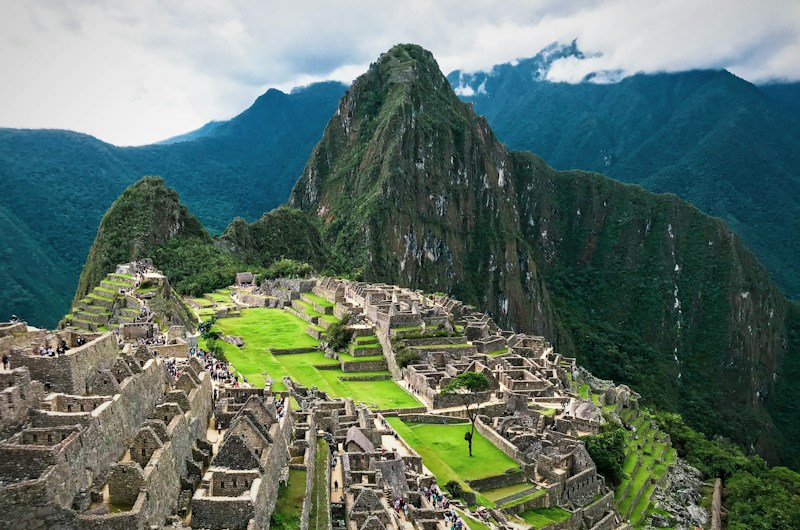
Visit Machu Picchu
Explore the ancient Incan citadel perched high in the Andes Mountains.
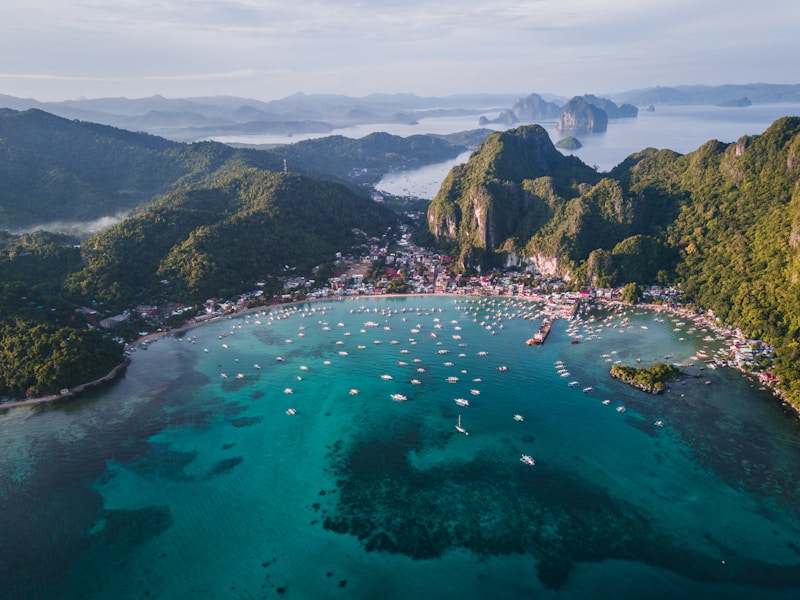
Trek Through Patagonia
Explore the wild, windswept landscapes at the end of the world.
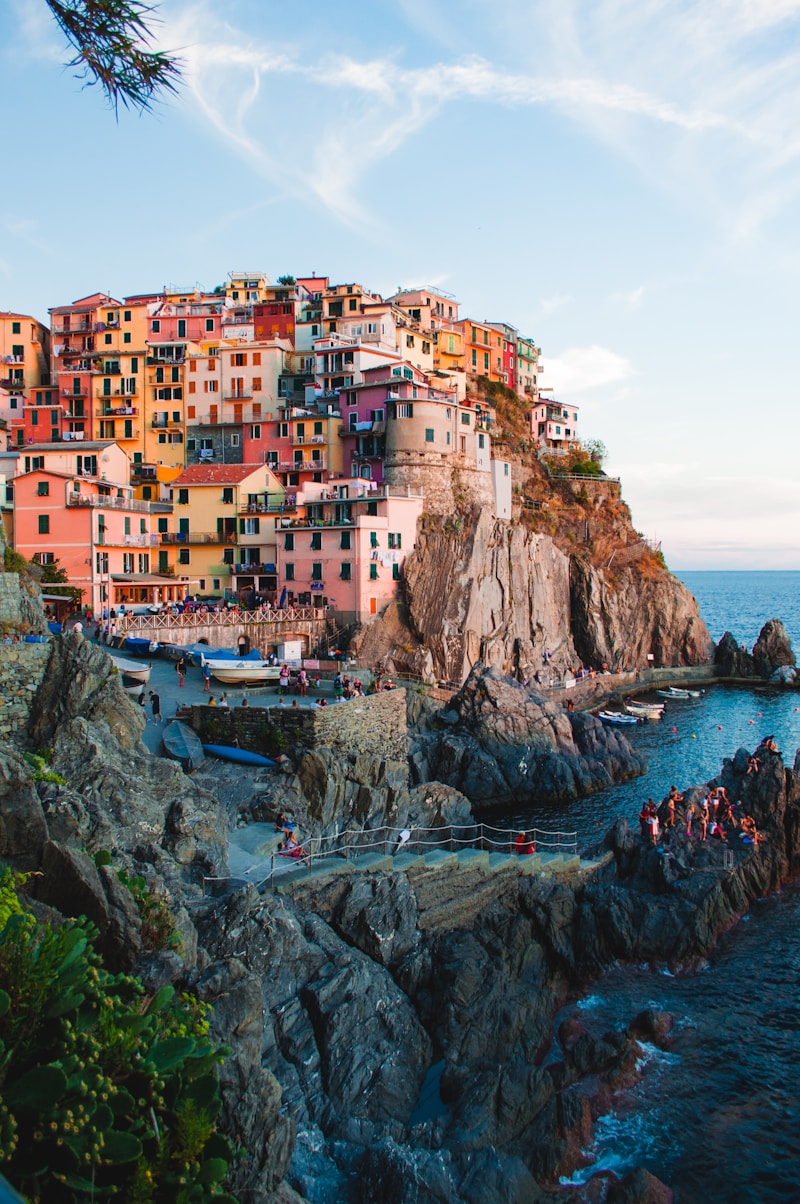
Hike the Cinque Terre
Walk between five colorful cliffside villages on the Italian Riviera.
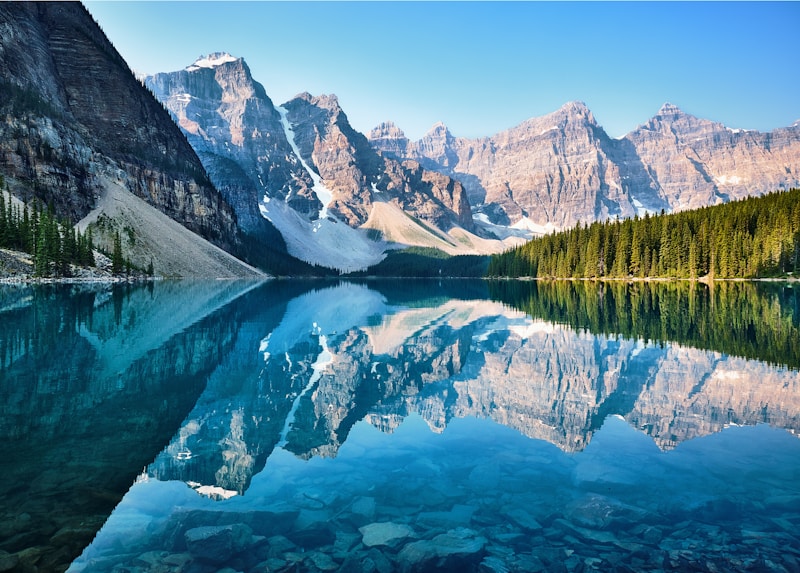
Explore the Canadian Rockies
Discover turquoise lakes, massive glaciers, and towering peaks.