Eat Authentic Ramen in Japan
From $10
At a Glance
$10+
1 hour
Japan (Tokyo, Fukuoka, Sapporo)
Year-round (cold weather is best)
About This Experience
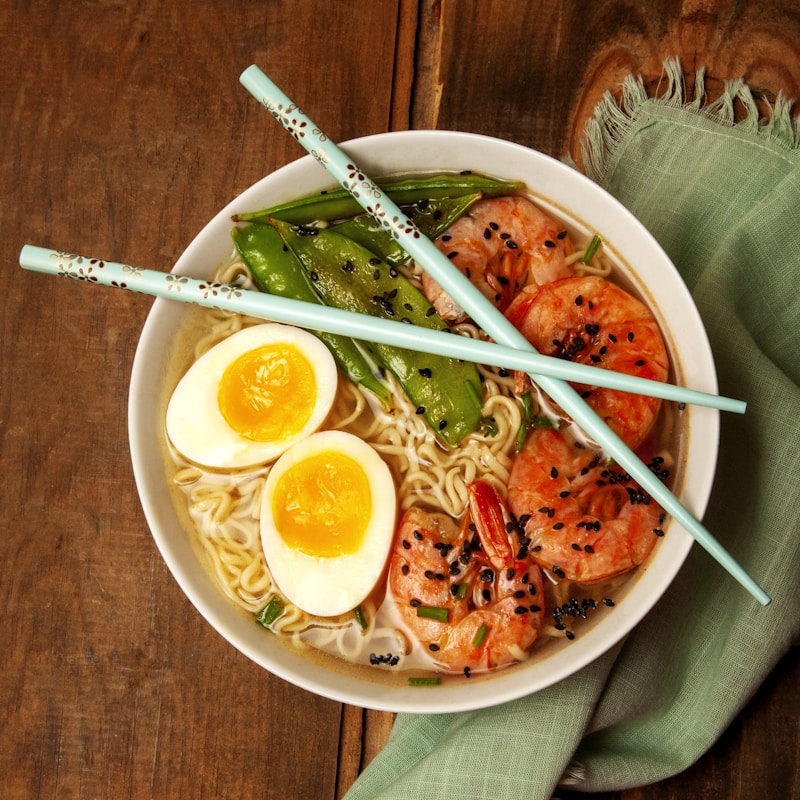
Eating authentic ramen in Japan reveals why this seemingly simple noodle soup has inspired obsessive devotion, with ramen masters dedicating entire lives to perfecting a single preparation and customers waiting hours in all weather to taste their creations. What might appear to outsiders as merely soup with noodles unfolds in Japan as an incredibly complex culinary form, with regional styles varying dramatically and individual shops developing fiercely guarded recipes that devotees travel across the country to experience. The broth defines each ramen style and represents the greatest investment of time and technique. Tonkotsu, the milky pork bone broth of Fukuoka, requires twenty or more hours of vigorous boiling that extracts collagen and emulsifies fat into the cloudy, lip-coating liquid that coats your mouth with each sip. Shoyu (soy sauce) ramen builds depth through dashi and soy reduction, with chicken or pork bones simmered more gently to maintain clarity. Miso ramen, Sapporo's contribution, combines fermented soybean paste with rich broths for warming complexity perfect for cold northern winters. Shio (salt) ramen strips flavoring to its essence, demanding the highest quality base stock since nothing masks imperfection. The noodles themselves vary to complement different broths. Thin, straight noodles pair with delicate shio and shoyu styles, while thicker, wavy noodles trap rich tonkotsu. Firmness preferences vary—you'll be asked whether you want hard (kata), regular (futsu), or soft (yawa) noodles when ordering. The protein content of flour, the addition of kansui (alkaline mineral water) that gives ramen its distinctive yellow color and springy texture, and the precise rolling and cutting all affect how noodles perform in the bowl. True ramen shops make their own noodles or source from specialty producers; using generic noodles would betray everything else they do. The toppings, while secondary to broth and noodles, demonstrate equal care. Chashu (roasted or braised pork) is sliced from logs of belly or shoulder, each shop developing specific preparation methods. The marinated soft-boiled egg (ajitsuke tamago) must achieve perfect gooey center with firmly set white. Green onions are sliced to particular widths. Nori (seaweed) is selected for quality and crispness. Even bamboo shoots (menma) are prepared in-house at serious establishments rather than purchased pre-made. Tokyo offers the greatest variety and concentration of exceptional ramen. Neighborhoods like Shinjuku, Shibuya, and Ikebukuro cluster famous shops within walking distance. The Tokyo Ramen Street in the basement of Tokyo Station collects regional styles in one convenient location, allowing comparison shopping. Tokyo-style shoyu ramen represents the city's traditional contribution, though you'll find every regional style represented and constantly evolving fusion variations pushing boundaries. Fukuoka in Kyushu is the spiritual home of tonkotsu ramen, with yatai (street food stalls) serving this rich, porky soup from wheeled carts along the Nakasu River. The city's Ippudo grew from a single Hakata shop to international chain while maintaining quality, and its original location still draws lines. The local custom of kaedama—ordering extra noodles to add to your remaining broth—developed here to maintain optimal noodle texture throughout the meal. Sapporo in Hokkaido birthed miso ramen, the heartiest regional style. The butter and corn toppings often associated with the style developed as natural companions to the rich, fermented base. Sampling miso ramen in Sapporo during winter, steam rising from the bowl as snow falls outside, provides context that explains why this warming style evolved here. The experience of eating ramen in Japan includes customs unfamiliar to Westerners. Slurping is not merely permitted but encouraged—the rapid intake aerates broth, enhancing flavor perception while cooling noodles to palatable temperature. Eating quickly is normal; ramen is fast food, and noodles degrade as they sit, making leisurely dining inappropriate. Communication with staff is minimal—many shops use vending machines for ordering, with customers selecting their choices and handing tickets to cooks upon seating. Conversation between diners is limited, attention focused on the bowl. Finding excellent ramen requires either research or happy wandering. The line outside usually indicates quality—Japanese don't queue for mediocre ramen. Tabelog and Google Maps reviews, read in Japanese using translation apps, provide more reliable guidance than English-language resources. Different times reveal different experiences: late-night ramen after drinking represents a tradition unto itself, with certain shops specializing in serving the drinking crowd. The price of exceptional ramen in Japan often shocks first-time visitors—not because it's expensive but because it's so affordable. A bowl at a legendary shop might cost 900 to 1,200 yen (roughly eight to eleven dollars), with value that embarrasses ramen restaurants abroad charging two to three times as much for inferior product. This affordability allows eating ramen frequently, exploring different styles and shops without financial constraint.
Cost Breakdown
Estimated costs can vary based on location, season, and personal choices.
Budget
Basic experience, economical choices
Mid-Range
Comfortable experience, quality choices
Luxury
Premium experience, best options
Difficulty & Requirements
Perfect for beginners. Minimal preparation needed.
Physical Requirements
None
Tips & Advice
Each region has its style - tonkotsu (Fukuoka), miso (Sapporo), shoyu (Tokyo)
Lines indicate quality
Slurping is proper and enhances flavor
Vending machine ordering is common
Ichiran and Ippudo are reliable chains
Community Discussion
Ask questions, share tips, or read experiences from others.
View Discussions Start DiscussionShare This Experience
Quick Summary
- Category Food & Drink
- Starting Cost $10
- Time Needed 1 hour
- Best Season Year-round (cold weather is best)
- Difficulty Easy
Explore More
You Might Also Like
Take a Street Food Tour
Discover authentic local flavors through street vendors.
Learn Sushi Making in Japan
Master the art of sushi with Japanese masters.
Have a Farm-to-Table Experience
Dine on food harvested from the farm around you.
Have an Omakase Experience
Put yourself in a sushi master's hands for a personalized meal.