Learn Sushi Making in Japan
From $80
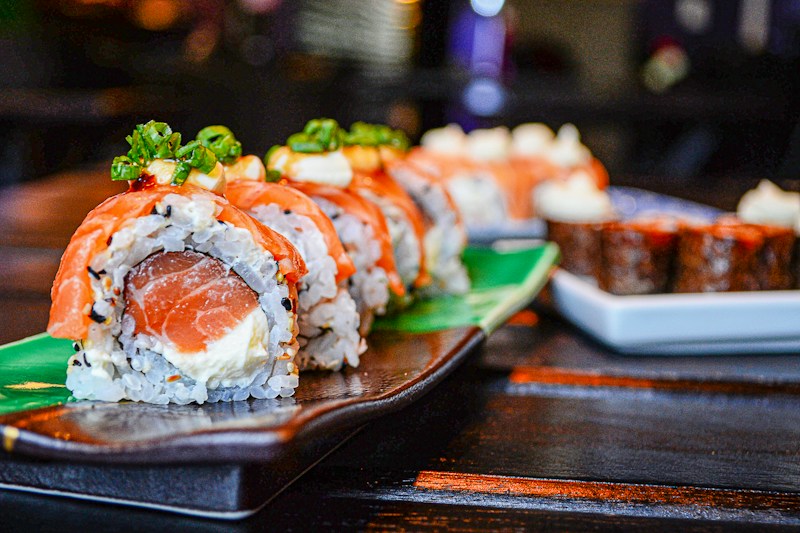
Learn Sushi Making in Japan
Master the art of sushi with Japanese masters.
At a Glance
$80+
2-4 hours
Japan (Tokyo, Osaka)
Year-round
About This Experience
Learning sushi-making in Japan offers insight into a culinary tradition where apparent simplicity conceals extraordinary depth, where apprentices spend years mastering techniques before ever touching raw fish, and where the relationship between chef and ingredient approaches the philosophical. Even a brief cooking class with a sushi chef reveals why this seemingly straightforward cuisine—just rice and fish, after all—has inspired lifelong devotion and earned worldwide reverence. The foundation of exceptional sushi lies not in the fish but in the rice, a truth that surprises many Western enthusiasts. Traditional sushi apprenticeships required years of washing, cooking, and seasoning rice before students could advance to handling fish. The rice must achieve precise characteristics: individual grains remain distinct yet cling together when pressed, the temperature hovers at body warmth, the seasoning of rice vinegar, sugar, and salt reaches exact balance. Watching a master prepare and season sushi rice demonstrates attention to detail that borders on obsessive—the careful spreading to cool, the fanning to achieve proper texture, the gentle folding of seasonings to avoid crushing grains. Japanese sushi classes teach this rice preparation alongside the fish preparation that captures most students' attention. You learn to select appropriate varieties (traditionally Japanese short-grain, with specific cultivars preferred for sushi), achieve perfect water absorption, and develop feel for when rice reaches optimal consistency. The seasoning process requires understanding how the rice will taste after fish is added—slightly more acidic and salty than might seem pleasant alone, balanced by the rich fish flavors to come. Knife skills represent another realm where sushi demands mastery. The traditional yanagiba—a long, single-beveled blade used for slicing raw fish—requires specific technique that differs fundamentally from Western cutting methods. Sushi chefs pull the blade through fish in single, flowing strokes rather than the sawing motion instinctive to Western cooks. This technique preserves cell structure and creates surfaces that feel different on the tongue than roughly cut fish. Classes provide hands-on practice with these blades, teaching proper grip, angle, and movement while explaining how different cuts serve different purposes. Understanding fish quality and handling transforms how you perceive sushi. Classes address how to evaluate freshness, the importance of proper storage temperatures, the aging process that concentrates flavors in certain fish, and the seasonal cycles that determine peak quality for different species. You learn why certain combinations of fish and rice emerged—fatty tuna balancing acidic rice, mild white fish showcasing rice craftsmanship, the clean taste of shellfish complementing carefully seasoned grains. The physical technique of forming nigiri sushi—those elegant oblongs of rice topped with fish—appears simple but requires extensive practice. The rice must be shaped quickly, before hand warmth affects its temperature, with just enough pressure to hold together without compressing into dense mass. Air pockets within the rice contribute to proper texture; over-pressing eliminates these and creates gummy, unpleasant results. Watching masters shape nigiri reveals movements so practiced they seem effortless—a few quick gestures producing identical pieces in seconds—while student attempts demonstrate how much practice underlies this apparent ease. Tokyo offers the densest concentration of sushi learning opportunities, with classes ranging from tourist-oriented introductions to serious multi-day programs. The Tsukiji area, home to the outer market remnants and numerous sushi schools, provides convenient bases. Classes taught by working sushi chefs in their restaurants offer particularly authentic experiences, learning in environments where the same techniques are employed daily for paying customers. Some programs include early-morning market visits where you observe how professionals select fish and interact with vendors. Beyond Tokyo, Osaka offers classes emphasizing the Kansai region's distinct sushi traditions, including the pressed sushi (oshizushi) that predates nigiri. Kyoto's refined culinary culture extends to sushi instruction with particular attention to aesthetics and presentation. Smaller cities may offer less formal but equally valuable experiences, sometimes with more personal attention and lower prices. Maki rolls—the wrapped sushi familiar to Western audiences—form part of most classes but receive less emphasis than you might expect. These rolls, while delicious, represent newer innovations in sushi history and require less technique than nigiri or sashimi preparation. Still, learning proper rolling technique, the correct ratio of rice to filling, and the cutting methods that produce clean, attractive slices provides practical skills transferable to home kitchens. The cultural context surrounding sushi adds dimension to technical instruction. You learn the customs of sushi counter etiquette, when to use chopsticks versus fingers, how to apply soy sauce without overwhelming delicate flavors, the proper sequence for eating different items, and the relationship between customer and itamae (sushi chef) that makes counter seating special. Understanding these traditions enhances future sushi experiences, whether in Japan or at quality establishments worldwide. Taking these skills home transforms your relationship with sushi. While true mastery requires years of practice, the techniques learned in even brief classes enable you to prepare simple sushi at home with confidence. More importantly, understanding what distinguishes great sushi—the rice preparation, the fish quality, the precise technique—makes you a more appreciative and discerning consumer, able to recognize and reward excellence wherever you encounter it.
Cost Breakdown
Estimated costs can vary based on location, season, and personal choices.
Budget
Basic experience, economical choices
Mid-Range
Comfortable experience, quality choices
Luxury
Premium experience, best options
Difficulty & Requirements
Accessible for most people with basic planning.
Physical Requirements
None
Tips & Advice
Tokyo's Tsukiji area has many classes
Rice preparation is the secret to good sushi
Sharp knives are essential
Eat at a sushi counter to watch masters work
Nigiri is harder than rolls
Related Topics
Community Discussion
Ask questions, share tips, or read experiences from others.
View Discussions Start DiscussionShare This Experience
Quick Summary
- Category Food & Drink
- Starting Cost $80
- Time Needed 2-4 hours
- Best Season Year-round
- Difficulty Moderate
Explore More
You Might Also Like
Have an Omakase Experience
Put yourself in a sushi master's hands for a personalized meal.
Make Fresh Pasta in Italy
Learn to make pasta by hand with Italian nonnas.
Take a Thai Cooking Class
Master the balance of Thai cuisine from local chefs.
Eat Authentic Ramen in Japan
Slurp perfect ramen in its homeland.