Master Calligraphy
From $30
At a Glance
$30+
Basic competency in weeks
Year-round
About This Experience
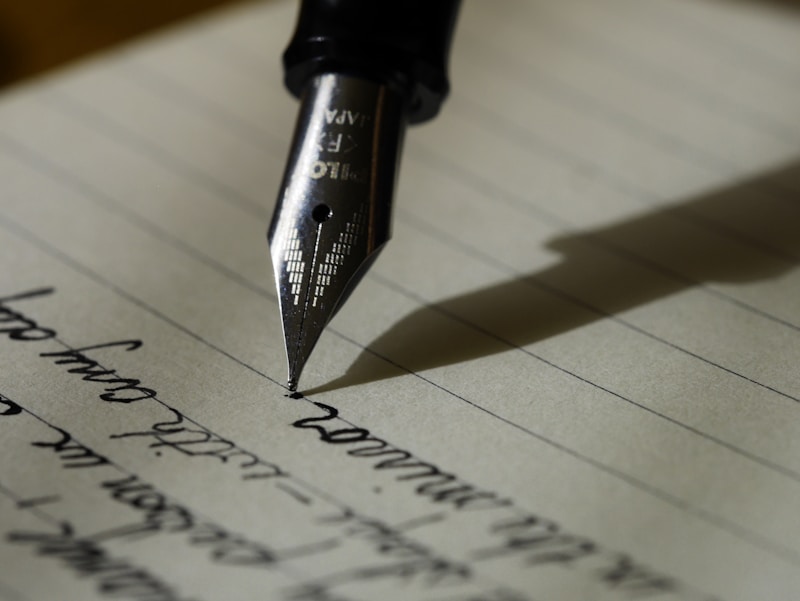
Calligraphy transforms the utilitarian act of writing into visual art, combining the discipline of precise letter formation with the creative expression of personal style. The practice demands focused attention that produces meditative states while developing hand skills applicable to other artistic pursuits. The results—wedding invitations, certificates, addressed envelopes, decorative pieces—bring beauty to occasions that deserve more than ordinary printing. The script selection for beginners typically involves choosing between pointed pen (copperplate, Spencerian) and broad-edge (italic, blackletter, uncial) approaches. Pointed pen calligraphy creates thin upstrokes and thick downstrokes through pressure variation on flexible nibs; the dramatic thick-thin contrast produces elegant formal scripts. Broad-edge calligraphy creates letter weight through nib angle relative to stroke direction; the geometric consistency produces different aesthetic effects. Both approaches have rich histories and contemporary applications. The tool requirements begin simply but can expand indefinitely. Brush pens provide accessible entry requiring no ink management; many calligraphers continue using brush pens for specific applications even after developing traditional skills. Dip pens with metal nibs offer more control and variety; different nibs produce different line qualities. Traditional brushes serve Asian calligraphy traditions that some Western practitioners also explore. Paper quality matters more than beginners expect—smooth surfaces work better for most scripts than textured papers. The fundamental stroke practice precedes letter formation in proper calligraphy instruction. Upstrokes, downstrokes, ovals, and compound curves combine in various ways to form all letters; mastering the component strokes makes letter formation easier than approaching each letter as a unique challenge. This approach feels tedious to beginners eager to produce words, but the time invested in stroke practice accelerates later progress substantially. The consistency challenge defines much of calligraphy practice. Matching letter heights, stroke weights, letter spacing, and slant angles across an entire piece requires sustained attention that improves only through repetition. The eye develops before the hand; learners often see inconsistencies in their work that they cannot yet correct. This gap between recognition and execution closes gradually through practice measured in months and years rather than days. The layout and composition considerations extend calligraphy beyond letter formation into design. Centering text, balancing white space, creating hierarchy through size and style variation, and integrating flourishes or illustrations all contribute to finished pieces. These design skills complement letterfotming technique; beautiful letters poorly arranged produce less successful results than competent letters well composed. The digital tools have expanded rather than replaced traditional calligraphy. Tablets with pressure-sensitive styluses enable digital calligraphy that combines traditional technique with digital editing flexibility. Scanned traditional work can be vectorized and manipulated. The modern calligrapher often works in both mediums, choosing based on project requirements and personal preference. The community of calligraphers, accessible through social media and local guilds, provides inspiration, feedback, and connection. Instagram in particular has become a showcase for contemporary calligraphy that demonstrates the field's range and vitality. Workshops and conferences offer intensive learning with master calligraphers. The tradition of skilled practitioners teaching newcomers continues a lineage that stretches back through centuries of written culture.
Cost Breakdown
Estimated costs can vary based on location, season, and personal choices.
Budget
Basic experience, economical choices
Mid-Range
Comfortable experience, quality choices
Luxury
Premium experience, best options
Difficulty & Requirements
Accessible for most people with basic planning.
Physical Requirements
Hand steadiness
Prerequisites
- Basic supplies
Tips & Advice
Start with brush pen or dip pen
Practice basic strokes before letters
Copperplate and Italic are good starting scripts
Consistent practice is key
Instagram has amazing calligraphy inspiration
Related Topics
Community Discussion
Ask questions, share tips, or read experiences from others.
View Discussions Start DiscussionShare This Experience
Quick Summary
- Category Learning
- Starting Cost $30
- Time Needed Basic competency in weeks
- Best Season Year-round
- Difficulty Moderate
You Might Also Like
Try Glass Blowing
Shape molten glass into beautiful objects.
Master Photography
Learn to capture stunning images with technical skill and artistic vision.

Learn Pottery
Shape clay on the wheel and create functional art.
Learn to Draw
Develop drawing skills from fundamentals to personal style.