Learn Pottery
From $150
At a Glance
$150+
Months to basic competency
Year-round
About This Experience
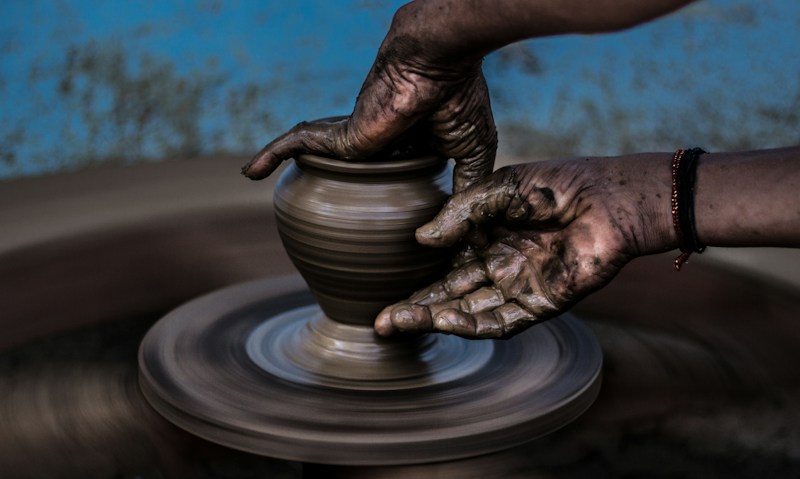
Pottery connects modern practitioners to one of humanity's oldest art forms—the transformation of raw earth into functional and beautiful objects through processes that have remained essentially unchanged for thousands of years. The tactile engagement with clay, the meditative focus required for wheel work, and the alchemy of glaze and fire produce experiences and objects unlike any other craft. The wheel throwing that most people associate with pottery requires developing the fundamental skill of centering—convincing a lump of clay to spin symmetrically on a rotating wheel head. This seemingly simple operation defeats most beginners for weeks: the clay wobbles, flies off, or refuses to cooperate despite apparently correct technique. The breakthrough, when it comes, feels like magic—suddenly the clay responds, centers reliably, and opens to receive the potter's intent. The handbuilding alternative to wheel work offers different satisfactions and challenges. Pinch pots, coil building, and slab construction create forms impossible on the wheel while requiring less specialized skill. Many accomplished potters work primarily or exclusively with handbuilding techniques; the choice between wheel and hand depends on aesthetic goals and personal preference rather than skill hierarchy. The drying and firing processes teach patience that modern life rarely demands. Pieces must dry thoroughly before bisque firing—typically a week or more—or trapped moisture will explosively convert to steam in the kiln. Glazed pieces require additional drying after glaze application. The kiln firing itself follows specific temperature curves over many hours. Rushing any stage produces failures; accepting the necessary timing produces success. The glazing opens infinite possibilities for surface treatment. Glazes combine chemistry, temperature, atmosphere, and application technique to produce results ranging from predictable to startlingly unexpected. Beginning potters often work with commercial glazes; advanced practitioners develop personal recipes that distinguish their work. The unpredictability of certain glaze combinations and firing conditions produces both disasters and discoveries. The studio access question determines practical feasibility for most aspiring potters. Home pottery setups require substantial investment in wheel, kiln, and workspace; community studios and ceramics classes offer equipment access without ownership burden. The community dimension of shared studio space often proves valuable beyond equipment access—the advice, inspiration, and camaraderie of other potters accelerates learning and sustains motivation. The functional versus artistic pottery distinction matters less than beginners often assume. Beautiful pottery can be functional; functional pottery can be beautiful; and the skills developed making either transfer to the other. Many potters find that making mugs, bowls, and plates they actually use provides more satisfaction than creating purely decorative pieces. Using pottery you made yourself transforms mundane meals into small celebrations. The learning curve in pottery extends indefinitely because mastery includes so many distinct sub-skills: centering, pulling walls, trimming, handles, lids, spouts, glazing, firing, and the aesthetic judgment that guides all technical decisions. The lifelong learning aspect appeals to those who enjoy pursuits without ceilings; there's always another technique to explore, another firing atmosphere to try, another form to attempt.
Cost Breakdown
Estimated costs can vary based on location, season, and personal choices.
Budget
Basic experience, economical choices
Mid-Range
Comfortable experience, quality choices
Luxury
Premium experience, best options
Difficulty & Requirements
Requires some preparation, skills, or resources.
Physical Requirements
Arm strength, patience
Prerequisites
- Studio access
Tips & Advice
Centering clay is the hardest part - be patient
Handbuilding is easier to start than wheel
Each piece teaches you something
The Ghost scene lied - it's harder than it looks
Community studios offer affordable access
Community Discussion
Ask questions, share tips, or read experiences from others.
View Discussions Start DiscussionShare This Experience
Quick Summary
- Category Learning
- Starting Cost $150
- Time Needed Months to basic competency
- Best Season Year-round
- Difficulty Challenging
You Might Also Like
Build a Piece of Furniture
Learn woodworking and craft something beautiful with your hands.
Master Photography
Learn to capture stunning images with technical skill and artistic vision.

Master Calligraphy
Learn the art of beautiful writing.

Learn to Draw
Develop drawing skills from fundamentals to personal style.